
CONCORD, NH – The New Hampshire Department of Health and Human Services (DHHS) announced the first confirmed case of a New Hampshire resident infected with Zika virus. The adult female patient contracted the virus after sexual contact with a male who was symptomatic and had traveled to a country where Zika virus transmission is occurring. The patient has fully recovered and is not pregnant.
Symptoms of Zika infection include fever, rash, conjunctivitis, and joint pain. Most people (less than 80 percent) infected with the virus do not develop any symptoms. There is no vaccine against Zika and no medicine to treat the virus. People who are concerned that they may have been exposed to Zika or who have symptoms of Zika virus infection should talk with their healthcare provider.
“The New Hampshire patient we are announcing today was infected with Zika through sexual contact with someone who traveled to a location with active Zika transmission” said Marcella Bobinsky, Acting Director of Public Health at DHHS.
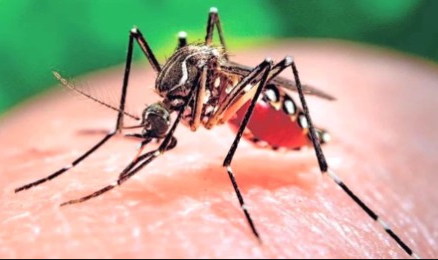
“Identifying cases in New Hampshire is not unexpected, although the most common means of transmission of the virus is through the bite of infected Aedes aegypti mosquitoes. Sexual transmission is less common. Our greatest concern is for pregnant women who may be exposed to the virus through travel, or the travel of their partners, because Zika has been associated with severe birth defects, including microcephaly. The mosquitoes that transmit Zika are not found in New Hampshire,” Bobinsky said.
The mosquito-borne virus has caused the U.S. Centers for Disease Control and Prevention (CDC) to issue travel warnings for pregnant women. People who have questions about their travel plans should consult with their healthcare provider. DHHS is also encouraging college students and others who may be traveling to Zika-affected regions this spring, including South America, Central America, the Caribbean, Pacific Islands, and U.S. territories to take strict precautions against being bitten by mosquitoes.
Because Zika can also be transmitted sexually, pregnant women with a male partner who travels to a Zika-affected area should either abstain from sexual activity, or use condoms correctly and consistently for the duration of their pregnancy to protect the unborn fetus. Additionally, until we know more about the risks of sexual transmission, non-pregnant women of childbearing age who travel, or who have a male partner that travels, to a Zika-affected region, should talk with their healthcare providers about their pregnancy plans and take steps to avoid any unintended pregnancy, including correct and consistent condom use.
DHHS is working with the CDC to enhance the state Public Health Laboratory’s testing capabilities, protocols and certifications for Zika. DHHS has also worked to inform health care providers and the general public about the Zika virus, prevention efforts and other resources. To date, DHHS has issued two Health Alerts and held a webinar to help educate health care providers on treatment and prevention of Zika. It has also launched a web page for public access to these resources and information on the virus. For more information, visit the DHHS Zika webpage