
The money is from the 2023 Consolidated Appropriations Act for states, tribes, and territories through this year’s Clean Water State Revolving Funds.
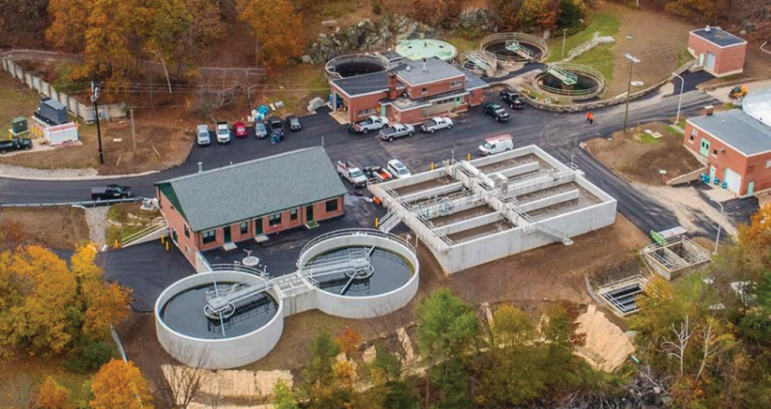
WASHINGTON, D.C. – New Hampshire will get nearly $7.6 million to upgrade essential wastewater and stormwater systems, part of $57.2 million in New England allocations the U.S. Environmental Protection Agency announced Friday.
The money is from the 2023 Consolidated Appropriations Act for states, tribes, and territories through this year’s Clean Water State Revolving Funds. The funding, which goes to a program that offers relvoing loans to eligible recipients, will help communities upgrade essential wastewater and stormwater systems to protect public health and water bodies.
The loans can be used to construct municipal wastewater plants, control nonpoint pollution sources, build decentralized wastewater treatment systems, create green infrastructure projects, protect estuaries, and fund other water quality projects. Municipal, county and state agencies, as well as public and private nonprofits may be eligible for the loans, depending on the type of project.
“Too many communities across the country are facing challenges with water infrastructure – from climate impacts like drought vulnerability to a lack of basic wastewater services that everyone deserves,” said EPA Administrator Michael S. Regan, in a news release from the EPA. He said the funding, paired with funding from the Bipartisan Infrastructure Law, will support local economies and advance projects to help ensure clean, safe water for communities.
David Cash, EPA New England regional administrator said, “The investments we are making now will result in long-lasting benefits for communities across New England, from southern Connecticut all the way up to rural northern communities in Maine, Vermont and New Hampshire. Upgrading wastewater treatment plants means protecting the environment that sustains our communities, and it means healthier places we live and raise our families”
He said that the money is particularly aimed at historically underserved communities, to make sure they get the “investments and environmental protection they deserve.”
The allocations are:
- Connecticut, $9,282,000
- Maine, $5,865,000
- Massachusetts, $25,726,000
- New Hampshire, $7,572,000
- Rhode Island, $5,088,000
- Vermont, $3,720,000
The grants build on the second wave of $2.4 billion EPA announced for clean water infrastructure upgrades through the Bipartisan Infrastructure Law in February. More than $3.2 billion will be provided to the CWSRF when combined with Fiscal Year 2023 funding available through the law.
The funding is aimed at strengthening wastewater and stormwater systems while providing significant resources for mitigating nonpoint source pollution and improving energy and water efficiency. It also addresses challenges that include climate change and emerging contaminants like per- and poly-fluoroalkyl substances (PFAS).
New Hampshire received $23,186,000 in that round of funding.
The CWSRFs announced Friday have been the foundation of water infrastructure investments for more than 30 years, providing low-cost financing for local projects across America. The money goes to state programs that, combined with 20% in state funding, operate like infrastructure banks by providing low-interest loans to eligible recipients for clean water infrastructure projects. As the loan principal and interest are repaid over time, it allows the state’s CWSRF to be recycled or “revolve.” As money is returned to the state’s revolving loan fund, the state makes new loans to other eligible recipients.
The money can be combined with funding from the infrastructure law and EPA’s Water Infrastructure and Finance Innovation Act loans to create “a powerful, innovative financing solution for major infrastructure projects,” the EPA said.
Maine’s congressional delegation was “thrilled” about the funding, members said in the release.
“Clean rivers, lakes and streams are fundamental to the health and wellness of all Granite State communities,” said Sen. Jeanne Shaheen. “That should be a right, not a privilege. In addition to health benefits, investments in water infrastructure bring about new opportunities for economic growth and job creation.”
Sen. Maggie Hassan and Reps. Annie Kuster and Chris Pappas also said that clean water is vital for health and well-being, as well as the economy, and that the funding will help with that.