
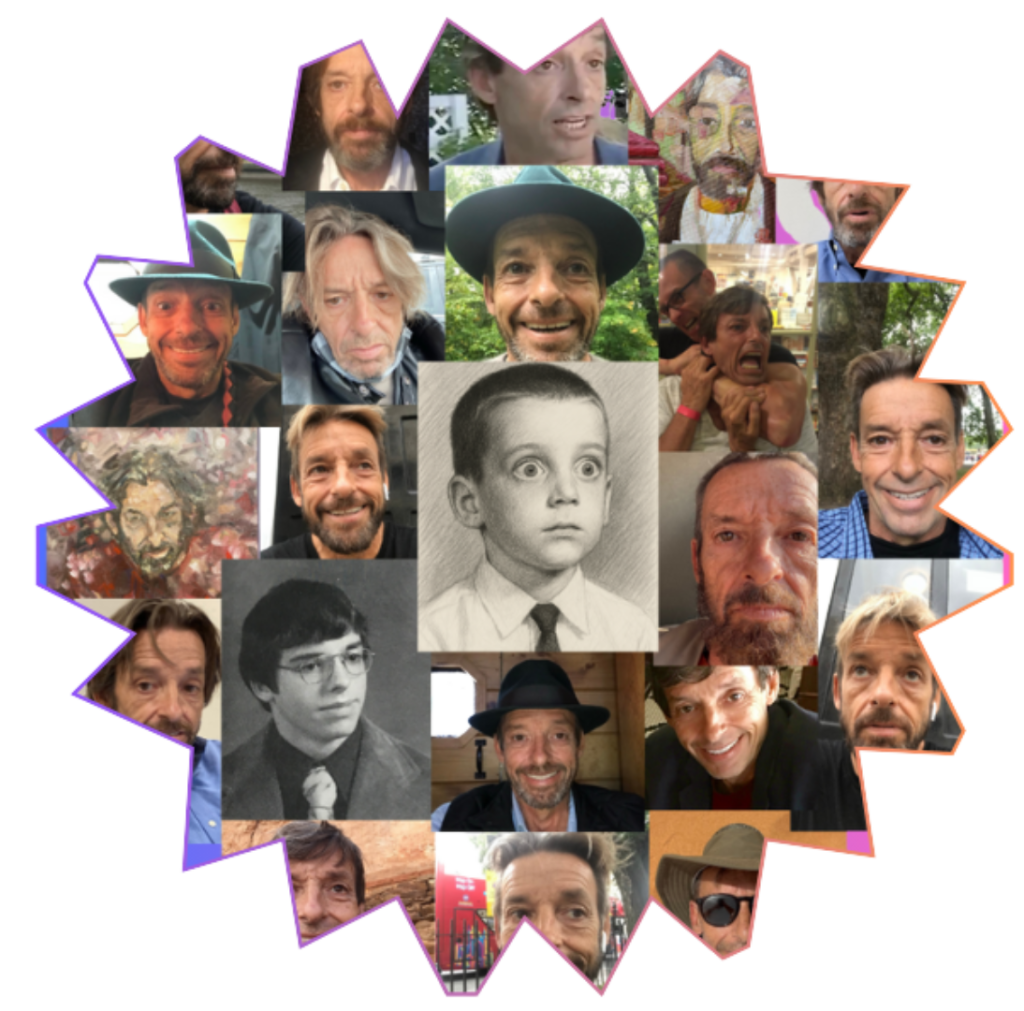
Meet Keith Howard, Manchester resident and community leader, and the author of Unclaimed, But Loud: The Memoir of a Shy and Retiring Boy Who Was Neither. Howard is a New Hampshire native and former director of Hope for New Hampshire Recovery and Liberty House for homeless and struggling veterans in Manchester, and happens to be a veteran and recovered addict himself.
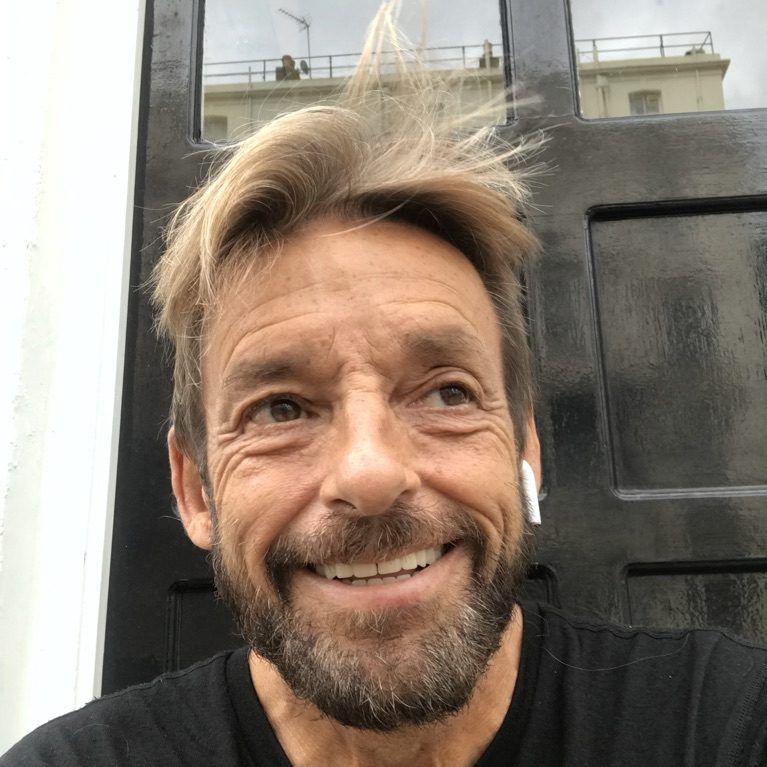
As the founder of Tiny White Box, an avid Substack contributor, and an Ink Link columnist, according to his LinkedIn, his specialties include writing, speaking, and “being vaguely amusing at times.” Howard describes his new book as a mischievous, moving, and darkly funny memoir about growing up strange in small-town America—before the fall, before the drugs, before the booze, before it all came apart.
For a preview of his memoir, you can read the first two chapters of Unclaimed, But Loud free on Amazon.
Below is a Q&A between Howard and the Ink Link:
Q: Who are you, and why should anyone care?
A: I’m the boy who got kicked out of kindergarten for pulling down his underwear, and the man who still wonders if that was the last time he told the truth without flinching. Since then, I’ve picked up a lot of labels—preacher, principal, punchline—but under all of it, I’m just a kid who asked the wrong questions too loudly and the right ones too late.
Call it curiosity. Call it poor impulse control. Either way, it’s been my compass.
As for why you should care? I’m not sure you should. But if you’ve ever been the weird kid at the family reunion, sitting near the potato salad, hoping someone might choose to sit next to you—then maybe, just maybe, I’m your guy.
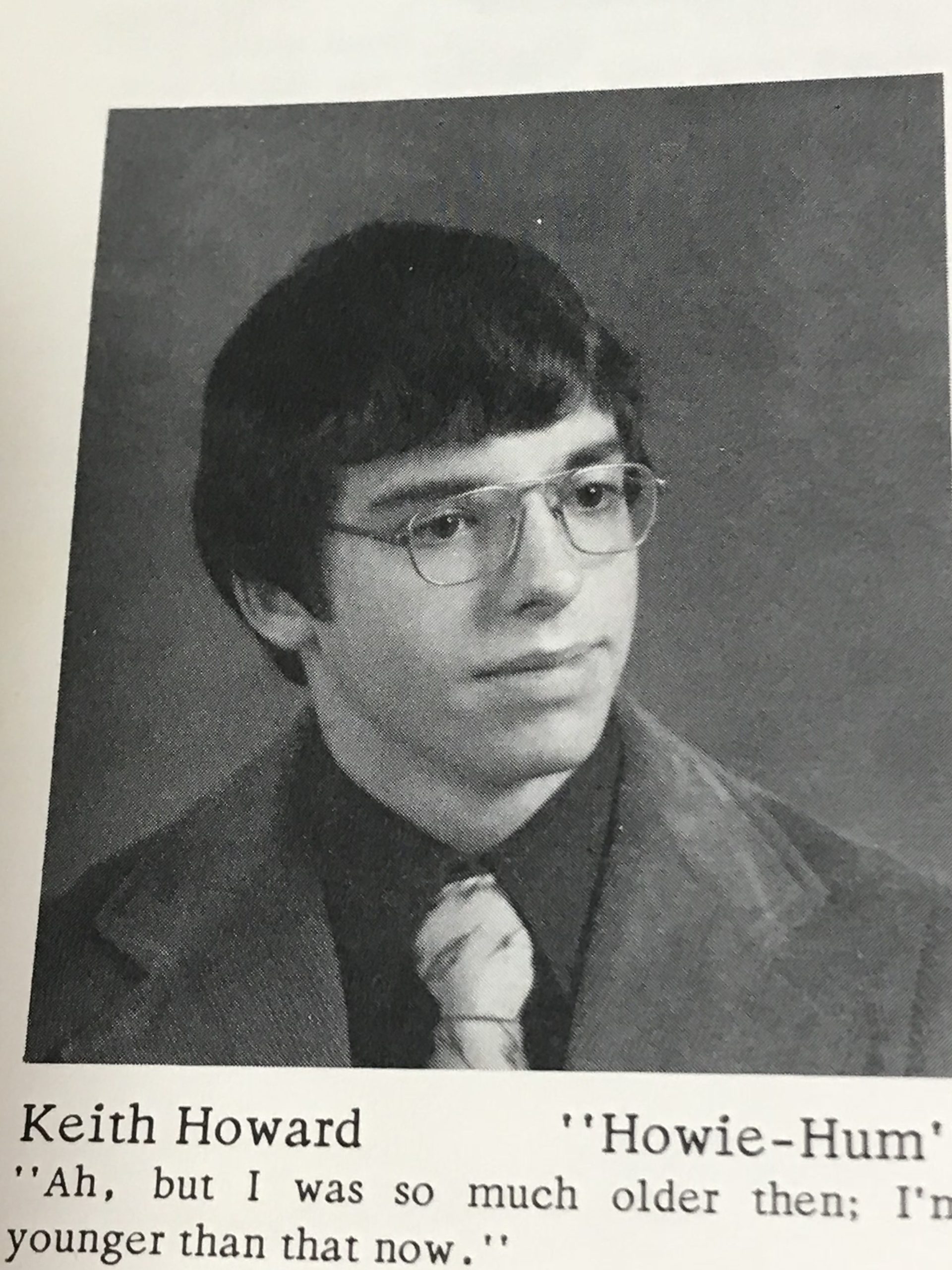
Q: So what is Unclaimed, But Loud really about?
A: It’s about growing up strange—not “trauma memoir” strange, not “child prodigy” strange. Just left-of-center in a world obsessed with symmetry. It’s about trying to earn love by being smart, hilarious, or just plain disruptive—depending on what the day demanded. Mostly, it’s a guided tour through the haunted funhouse of memory: warped mirrors, nickel rides, and the occasional honest scream.
Q: Why the title?
A: Unclaimed, But Loud came to me before I had the nerve to write the book. It felt like a truth I’d been orbiting most of my life, without the language to name it. I was adopted at six months old. No big dramatic origin story—just a quiet little handoff, paper signatures, a new name. But even as a kid, I could feel the absence. Not just of genetics, but of any thread. A through-line. I was the new kid in the story, but I hadn’t been there for the beginning, and I wasn’t sure I’d last through the middle. I didn’t feel chosen. I felt inserted. Like someone had paused the movie and spliced in a different actor.
Growing up, I was always a little out of step. Too loud in quiet rooms, too quiet when everyone wanted noise. I watched life happen around me like it was a dinner party on the other side of the glass. I was there—but not in it.
And yet—I made noise. That was my rebellion. That was the one tool I had. I may not have been claimed, but I refused to disappear quietly.
I cracked jokes. Started fires. Wrote manifestos in the margins of math homework. I pulled stunts, made announcements, got thrown out of things. I wanted someone—anyone—to look at me and say, you’re not invisible. Even if they were saying it through gritted teeth.
That hunger stayed with me. Through school, through the Army, through the years I disappeared into addiction and drunkenness. I kept trying to earn belonging by being the loudest or the weirdest or the most helpful or the most broken—whatever got a reaction.
It took me decades to understand that being unclaimed isn’t the same as being unwanted. And that loud doesn’t always mean heard.
This book is me making peace with that. It’s not a declaration of victory—it’s a record of noise.
Noise made in defiance.
Noise made in grief.
Noise made in hope that someone out there would recognize the signal beneath it.
Unclaimed, But Loud isn’t just a title. It’s the story of a kid who never stopped trying to be seen.
And maybe—if the signal reaches far enough—it’s also a reminder that being unclaimed doesn’t mean you’re unworthy. It just means you’re still in motion.
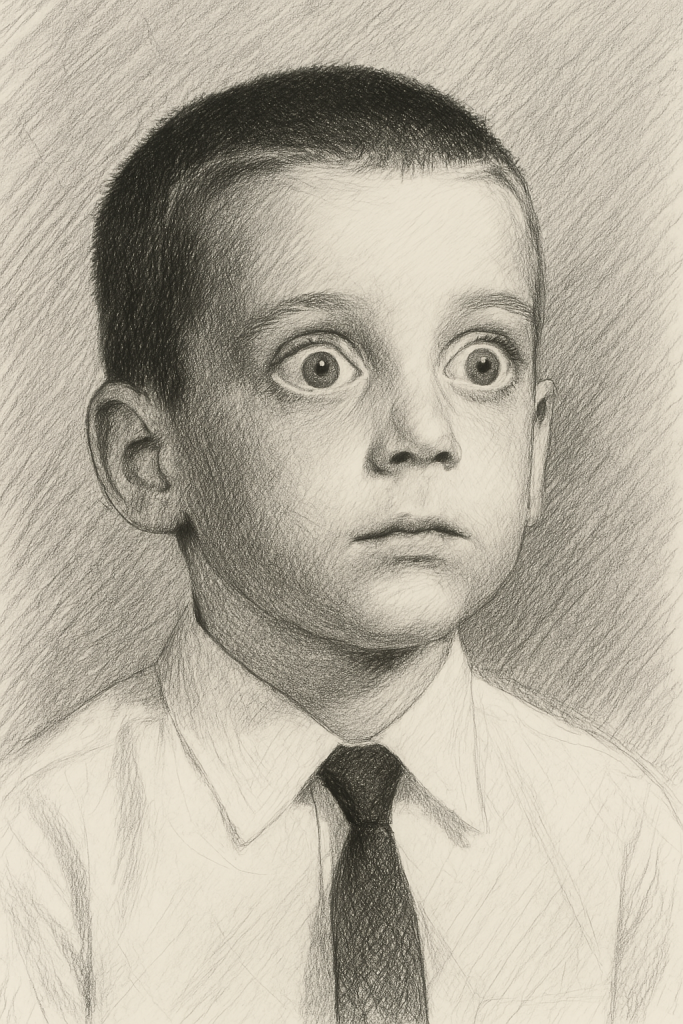
Q: Let’s talk childhood. What kind of stories are we in for?
A. A drowned Chatty Cathy.
A dead chickadee.
A wooden walkie-talkie used to interview Barbara Walters.
Learning the truth about Hogan’s Heroes and the sacred weight of a promise.
Getting fired from Orange Julius for laughing too hard.
Melting down over rust.
Making my grandfather cry with a single sentence.
Trying to barter for love with jackassery and slapstick.
You know—childhood. The kind that gets rewritten in therapy, but still makes you laugh when no one’s looking.
Q: This isn’t a typical “I overcame” story. Why not?
A: Because life didn’t follow the syllabus. The arc’s bent, the climax comes early, and the resolution’s on backorder.
I didn’t want to write the story where I start broken and end fixed. I wanted to write about the boy who didn’t even know he was broken—until the grown-ups told him so. I found booze and drugs at thirteen, and they worked—until they didn’t. Most of this memoir ends before I turn eighteen. The final fifth jumps ahead thirty years and asks:
How do you escape the vehicle you once used to escape everything else?
Q: Your résumé reads like the backstory of a character who dies in chapter one. What’s the thread?
A: Army journalist. Improv director. Alternative school founder. Homeless guy. Recovery worker. Leader of a vet program. One-time believer in God, current believer in trying again tomorrow.
I didn’t set out to have a résumé like this. I wasn’t chasing titles. I was chasing exits.
Each job, each new start—those were just doors I ran through when the one behind me caught fire.
This book? It’s me going back. Trying to figure out what I ran from, and what I might still be running toward.
If there’s a thread through all of it, it’s this: I’ve always been drawn to the ones on the margins.
The ones who talk too much or not at all. Who ruin Thanksgiving and mean it. Who disappear in plain sight.
They’re my people. Because that’s me.
When I pitched my first alternative school, I didn’t show test scores. I didn’t talk about graduation rates.
Instead, I made a Caesar salad in front of the room.
I held up the romaine: “These are your typical students.”
Croutons: “A little crunchy, maybe a little loud.”
Parmesan: “The ones who stick to everything but never take up much space.”
A raw egg: “Delicate, essential, often overlooked.”
Then I held up a tin of anchovies, and the room groaned.
I waited. Then I said, “Your job is to keep these kids out of the salad. My job is to help them make their own.”
They clapped, maybe because it meant someone else would take the hard ones.’
But for me, it wasn’t about removing anyone. It was about creating a place where even the anchovies belonged.
Where they didn’t have to change who they were to be part of the mix.
That’s how I think about recovery, too.
Not about fixing people. About building something where we’re safe enough to stop pretending.
I didn’t have that kind of place growing up.
I still need it. Some days I find it.
Q: So is this a sad book?
A: God, no. It’s a funny book about loneliness. A warm book about cold things. A mixtape made by your strangest friend—half love letter, half dare.
There are sad parts, sure. But mostly it’s a story about the sweet, surreal ache of being alive and misunderstood.
The laughter matters more because it knows what it’s hiding.
Q: Who’s it for?
A: The kid who wore a cape to school and cried when no one asked why.
The adult who still isn’t sure which memories are real and which are just well-rehearsed.
Anyone who’s ever apologized for being too much—or not enough.
People who laughed too loud at funerals.
People who remember the exact moment they stopped believing in Santa. Or God. Or themselves.
Q: What was hardest to write?
A: Admitting that the grown-ups weren’t villains. They were just tired people doing their best.
And I was a high-maintenance kid with a talent for chaos—and a chip on my shoulder when someone tried to clean up after me.
Q: Why memoir? Why now?
A: Because the boy I used to be deserves more than a punchline. He deserves a witness.
Someone to say: I see you. And you made it further than anyone expected.
This isn’t revenge. It’s recognition.
Q: So what kind of memoir is this, exactly?
A: One where the first act is funnier than it should be, the second act unravels like a prank gone too far, and the third act doesn’t resolve—it just invites you to stay a little longer.
It’s not a hero’s journey. It’s a game of hide-and-seek with the self.
It’s not a story of being found. It’s a story of being loud enough not to vanish.
Q: What surprised you in the writing?
A: That I still wanted to protect the little boy I was. That I still believed he might be okay.
How much tenderness I still carry for that boy. How much grief there is in letting him go. And how often the saddest scenes are also the funniest—like God kept tripping over his own punchlines.
Q: Final pitch. Why does this book matter?
A: Because not every loud story is looking for attention. Some are just trying not to be forgotten.
This is for anyone who grew up on the edge of normal and built a life from noise, scraps, and accidental kindness.
It’s not a redemption arc—it’s a recognition.
And sometimes, that’s more than enough.
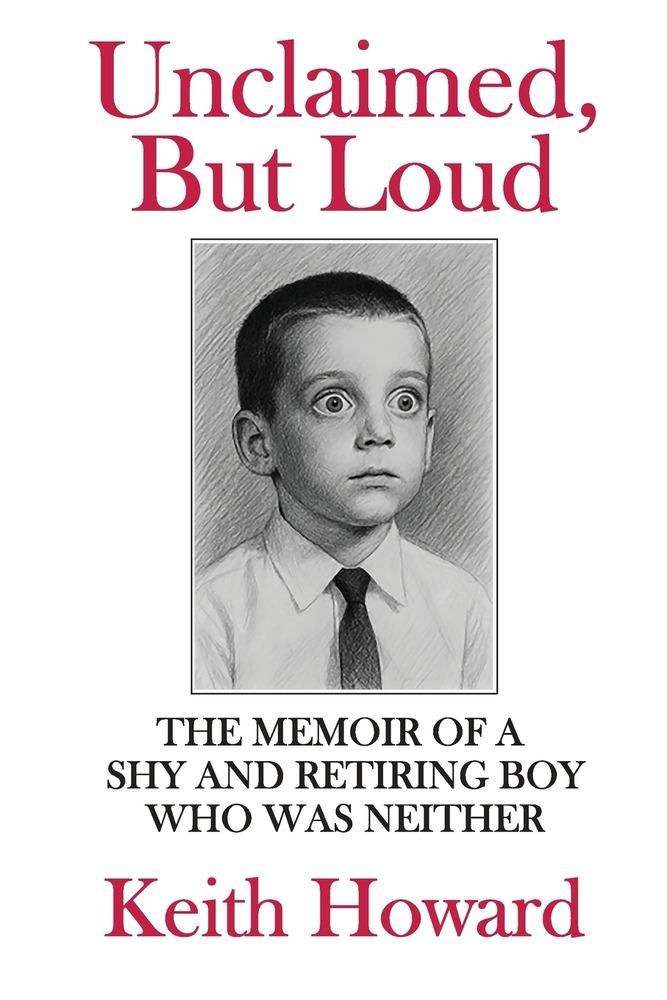
Unclaimed, But Loud is available for purchase on Amazon and Bookshop.org.