

Last month, on the very day I went to the eye doctor for the first time in a few years, I got an email alert from the Federal Trade Commission with an update to consumer eyeglass rules. The information surprised me, not only because of the coincidence of when I got it – I can see getting a Google ad related to things I text or email about, but an FTC report? But that’s a column for another day. What surprised me is that there even is an official FTC Eyeglass Rule. As far as I was concerned, “eyeglass rules” were whatever my insurance covered and nothing else.
This got me to thinking… What rights do we have regarding everyday things that help protect our financial bottom line and would make our lives easier if only we knew about them?
I came up with five that apply to average consumers that you may or may not know about, that range from mundane to life-threatening, and how to proceed on each one if you believe your rights are being violated.
It may feel uncomfortable sometimes to advocate for your rights if you’re being jerked around. It may be even harder in situations more serious that an eyeglass prescription. Dealing with a recalcitrant landlord or a partner that won’t let you access your own money can be a traumatic and even life-threatening situation.
Knowledge is power. When you’re on the side of right, and it will make your finances, or life, better, don’t be afraid to stand firm.
Let’s take a look at four areas that affect many consumers in which you may not realize you have more power than you think.

1. Eyeglasses
My sister recently told me that when she had an eye exam, they gave her a copy of her prescription at the appointment, so she was able to go online and find a pair of glasses she liked at a fraction of the cost of what her vision provider was charging.
“They just gave it to me,” she said. “I didn’t even have to ask.”
I responded something like, “That was nice of them.” Since I had an eye appointment coming up, I girded to find out if I could get a copy of my prescription, without having to buy my glasses from them. Turns out, no girding was necessary.
According to the FTC Eyeglass Rule, when you have an eye exam, your prescriber is required to give you a copy of your prescription, either on paper or electronically. The report I got in June noted that this rule was recently expanded, so it now says:
- If your prescriber sells eyeglasses, they must ask you to sign confirmation that you received the prescription copy. If you agree to a digital copy, they must ask you to confirm in writing or digitally that you agree to digital delivery and to the way it will be transmitted, either by email, text or patient portal.
- The prescriber cannot withhold the copy of the prescription for non-payment of your insurer’s portion. Proof of insurance counts as payment when it comes to determining when an eyeglass prescription is provided. If your insurance doesn’t cover examination fees, it’s only then that your prescriber may require payment before providing the prescription copy.
For the official Eyeglass Rule, check it out on the FTC website. The FTC also has a webpage that spells out your rights to vision care, including information on what to do with a prescription you may not immediately fill.
In New Hampshire, your eyeglass prescription is good for 24 months in most cases (it varies by state). The prescriber is required to let you know what the expiration date is. Contact lens prescriptions are good for only 12 months under New Hampshire Law, and there are other rules regarding contacts you should check out if you get contacts instead of glasses.
If you believe that this right was violated, you can report violations to the FTC, which enforces the Eyeglass Rule. You should also file a complaint with the New Hampshire Office of Professional Licensure and Certification. The NHOPLC website also has information that spells out the rules regarding glasses and contacts.
2. Air Conditioning in Rental Units
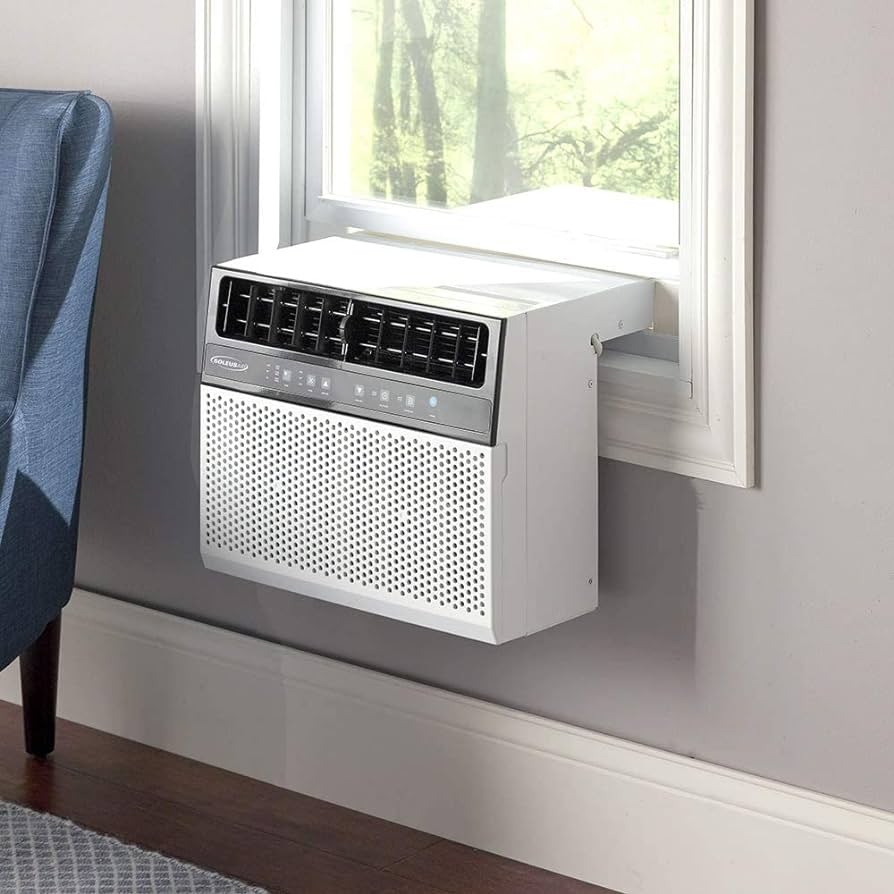
In New Hampshire, landlords are not required to provide air-conditioning (they ARE required to provide heat). This doesn’t mean, though, you don’t have rights when it comes to staying cool during increasingly hot summers.
Here’s what your rights are regarding air conditioning if you rent an apartment in New Hampshire:
- If air conditioning isn’t provided by your landlord, you have the right to install a window unit. It is illegal for your landlord to forbid you from doing so. Make sure it’s in good working condition, isn’t leaky, and you don’t damage property installing it, or your landlord will have a case for removing it, or more serious action.
- If your lease agreement lists air conditioning as one of the amenities provided, then the landlord is required to make sure it’s in working order. A landlord has 14 days after written notice from you to make any required repairs. That means the AC may still not be working before the heat wave is over.
In general, landlords in New Hampshire are required to ensure that your apartment is safe and habitable. You have a right to “quiet enjoyment” of the space, which is a legal term that means you should be able to live comfortably in your home without disturbance. But in reality, that’s open to interpretation. Landlords, for instance, are not required to make sure kitchen appliances or washers and dryers are in working order. Another example is that the heat requirement is to keep apartments at least 65 degrees Fahrenheit, which may seem pretty cold in the dead of January, especially if you are older or have a baby in the apartment.
Be sure before making any complaints you thoroughly check out your lease and also understand how to make complaints in writing. Even when it’s not required in writing, I always urge people to formally do so, so that you have documentation of what you requested.
If your landlord is not letting you install an AC window unit, threatens eviction or says he won’t return your security deposit because you installed one, or won’t repair the landlord-provided AC, you can file a 540-a petition in district court. You may qualify for free legal advice from 603 Legal Aid or New Hampshire Legal Assistance if you need help dealing with air conditioner or other landlord-related issues.
3. Medical billing ‘surprises’
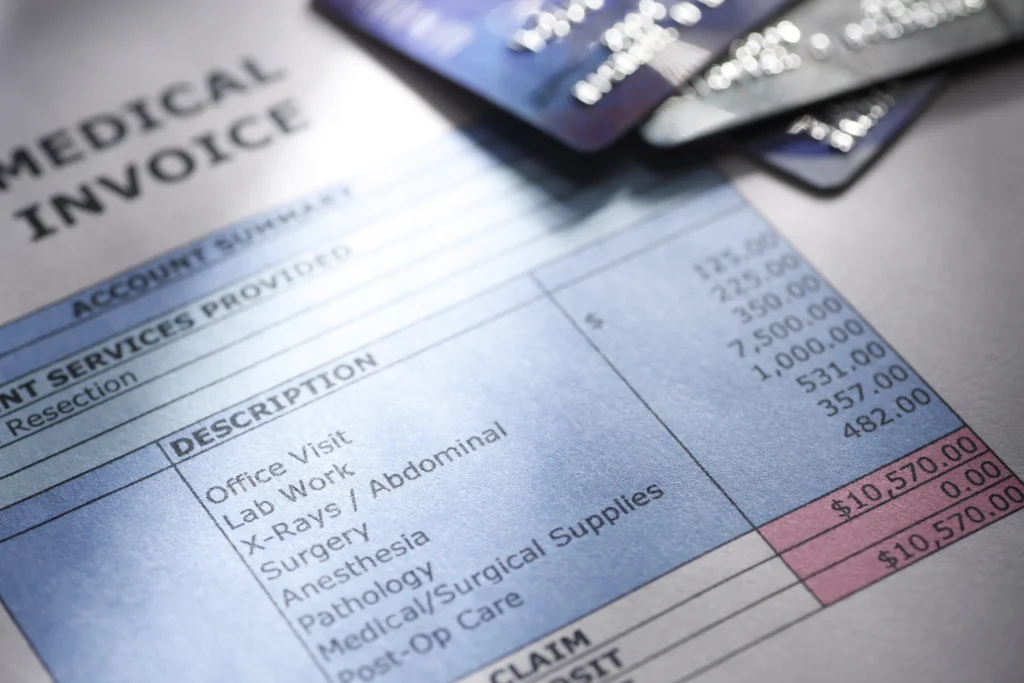
Earlier this month, the “No Surprises Act” became law in New Hampshire. Much of it aligns with a similarly named federal law that went into effect in January 2022 and enhances the state’s “Balance Billing” law of 2018.
The aim of the law is to make sure state residents who have health insurance aren’t ambushed by surprise medical bills if they go to an in-network facility where they are then treated by an out-of-network provider. Balance billing is what out-of-network providers charge to cover their portion of what wasn’t covered by insurance for in-network services.
The 2018 law prohibited balance billing for anesthesiology, radiology, emergency medicine and pathology. The new law covers all medical care provided at an in-network facility (except ambulance service).
In other words, if you get sick or have an accident and go to an in-network hospital, but then the hospital uses a provider or service that’s not in your network, you’re covered from paying the extra cost. Keep in mind that if it’s your choice to access out-of-network services and it’s not at an in-network facility, this law doesn’t apply.
The law passed in June also expands the dispute process. It goes into effect Jan. 1. If you believe you’ve been wrongly billed for services by an out-of-network provider at an in-network facility, contact the New Hampshire Insurance Department.
4. Free WEEKLY credit reports
Back in the old days, kids, it used to be that you could send away yearly for your credit report and a few weeks later you’d get a big packet in the mail. Over the years, you could check it out online, but it was still only free once a year.
Credit scores weren’t free at all. If you wanted to see your credit score, you had to pay for it.
It’s amazing how the digital world and a global pandemic can switch things up.
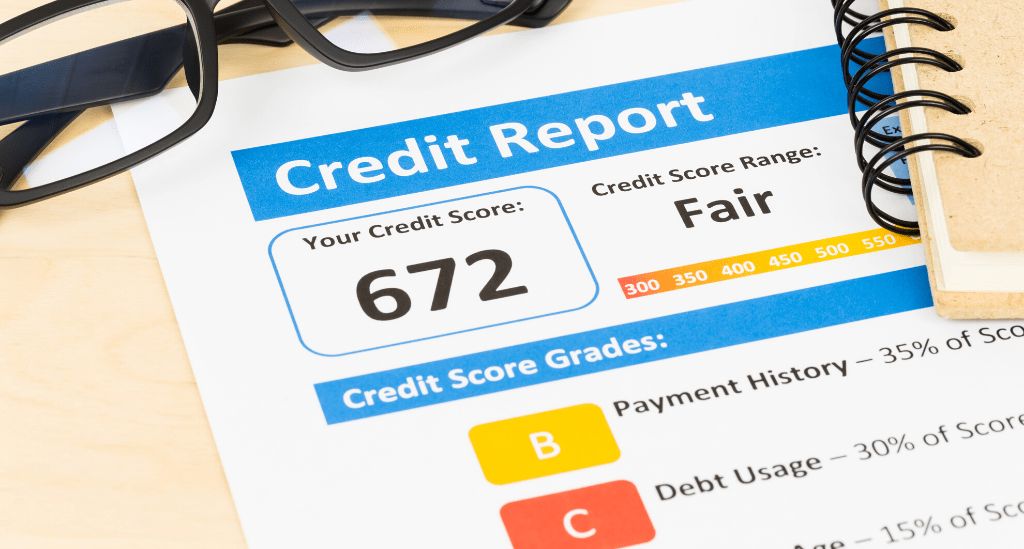
You can now access your credit report weekly – weekly! – for free from the three credit reporting agencies. You’re probably already aware that your credit score is also now free, on the online account of your bank or credit card company (several of mine show it prominently, including when I access my account on their mobile app).
Keeping track of your credit report and credit score are important for your financial health. These are what lenders and businesses use to determine if you can get a loan or credit card, as well as how much interest they’ll charge and how much they’ll lend you. They’re also used by insurance companies, landlords, and other businesses to make decisions that have an impact on your financial life. I won’t go into all the nuances of your credit score, but you can read about it in my January 2022 column, where I did.
Checking your three reports through the three credit reporting agencies – Equifax, Transunion and Experian – will show you what those lenders and businesses are looking at. You can correct errors and also see your own patterns. There’s nothing that highlights late credit card payments like deep red color-coding.
More frequent access to free credit reports was first allowed on a temporary basis during COVID-19. Last September, it was made permanent.
You can access all three reports – again, they’re free – at annualcreditreport.com. [Some parts of the site say they’re still available for annually. This just hasn’t been updated]. You will not be charged a fee. If someone is charging you to access your reports or credit score, or to boost your credit score, you’re paying for something you shouldn’t be. Erroneous information can be removed from your report through a process that is available and clear on the bureau sites. Information that’s damaging, but is also accurate, can’t be removed, so don’t pay someone who says they’ll do it for you.
The best way to boost your credit score is to make your payments on time, keep your credit card account balances low (below 30% of your limits is ideal) and not have too much debt versus your income.
5. Protection from domestic financial abuse
Financial abuse is a major facet of domestic abuse, but gets very little attention. Victims of financial abuse may not even realize what it is, or that there’s anything they can do about it.
Some 99% of domestic abuse situations include financial abuse. Domestic abuse doesn’t always mean physical violence – it also means coercive control that involves other ways of subjugating a partner. Financial abuse may mean you don’t have access to your household’s money, you’re not allowed to work or you have to hand over your paycheck. It can even mean your partner sabotaging your employment by constantly calling you at work, or doing other things that get you in trouble with the boss.
It can also also mean money, medication or transportation is withheld. It comes in many forms. The New Hampshire Coalition of Domestic and Sexual Violence has a webpage that explains it more thoroughly. I also wrote about domestic financial abuse in this column two years ago.
When financial abuse and exploitation is discussed, it’s usually regarding elderly, disabled and other vulnerable people. That type of abuse is incredibly serious and deserves the attention it gets, and more.
Less talked about is financial abuse in a marriage or domestic partnership where the victim isn’t considered “vulnerable” the way an elderly or disabled person may be. The majority of victims of domestic financial abuse are women. Evan Stark, a pioneer in the field of identifying coercive control, says that women’s “default consignment” to certain tasks and roles in a relationship and in the home make it difficult to tell where the role leaves off and the abuse begins. This is a major reason why financial control, even in 2024, is not often recognized as abuse. In fact, around 75% of people in a survey a couple years ago don’t recognize financial abuse as domestic abuse.
Financial abuse is one of the most powerful methods of keeping someone – usually a woman – trapped in an abusive relationship. Victims don’t have the means to support themselves outside of the relationship because the abuser controls the money. If there are kids involved, it’s even more difficult.
No matter whether you’re married or in a domestic partnership, you have a right to control of your household’s, and your own, finances in New Hampshire.
New Hampshire is a shared-asset state. That means if you are married, both partners are responsible for debts and assets, which means both partners have a right to all financial records and control of those assets.
If you are in a domestic partnership, which the state doesn’t recognize the way it recognizes marriage, you have total control over your own money, both income and debt.
Of course, if you are in an abusive relationship, those rights often go by the wayside. It also may be difficult to get family, friends and law enforcement to recognize this type of abuse.
If you believe you are in a financially abusive relationship, contact the NHADSV for advice, resources and help. Getting support from people experienced with this situation is a good way to start. Domestic abuse victims’ advocates also urge victims to report such abuse to their local police department. I urge this, too. But many departments my be dismissive or not fully understand this type of abuse. Still insist on reporting it, but then also contact advocates who can help you take it from there.
Scam of the Month
The FTC Saturday issued a consumer alert about a scam that targets military service members.
In this scam, the bad guy approaches an active-duty service member in a bank or grocery store parking lot, or somewhere similar, and says they lost their debit card or wallet [often part if it is that they’re from out of town] and need money for gas, a hotel room or food. They may say they’re former military. They often have a wing man, or woman, who will distract you at crucial points of the interaction.
Why active duty service members? Apparently because they are more willing to help someone than the average person in the parking lot. Military personnel also qualify more quickly for many loans and other money benefits because lenders know they have a steady income. Scammers can take advantage of this increased access to money. But keep in mind, even if you’re not wearing a uniform, this scam could happen to you.
The scammer will ask that you transfer them money on your phone from your bank account. Once you have it open, they’ll make up some excuse for you to hand them your phone – possibly even saying they’re adding their own info, so you can pay them back.
Once you hand them your phone, with account open, they take screenshots of your account information and send it to themselves, or apply for an instant loan in your name and transfer it to themselves through Zelle or another payment app, or transfer money out of your account to themselves.
What are you doing while they are stealing from you? You are being distracted by the other scammer, who is discussing your deployment or military service, or your kids, or making other small talk.
The FTC points out that when money is transferred right out of your bank account, your bank may not reverse it, since it’s hard to prove you didn’t allow it or do it yourself.
The FTC advises:
- Never hand your phone to a stranger who asks for it — even if it seems convenient. [I’ll add that this also goes for when you meet a cute stranger in a bar who wants to put their contact info in, or any other random unknown person who wants your phone.]
- Always use two-factor authentication (like a PIN code) for banking and payment apps, which makes it harder for someone to transfer money from your accounts.
If this has happened to you, contact your bank or the mobile payment app company immediately and ask them to reverse the transfer. It’s a necessary first step, even if the bank ultimately won’t do it.
Even if a stranger approaches you and asks for a money transfer, and you refuse, report it to your local police department, your state attorney general, and the FTC fraud line.
Some police departments still haven’t caught up with fraud and all its variations. Even if the local police seem skeptical or dismissive, insist on filing a report. The immediate benefit to you is that you may need the report to help track your fraudster down, or to prove you reported it to be reimbursed, or to help with an investigation by another agency. The overall benefit is that it may push local law enforcement to get more on board. I don’t mean this as a knock on law enforcement, but I do hear from people that when they tried to report a scam and local police seemed befuddled. Let’s all help fuddle them a little by reporting.

Maureen Milliken can be reached at mmilliken@manchesterinklink.com