
YOUR HEALTH
FOOD FOR THOUGHT
By Carolyn R. Choate
My grocery list is a work in progress. I’m constantly adding and subtracting items as information on biomedical nutrition becomes available. The impact of toxins on our food supply keeps scientists and me hopping.
In the 2007 study, Using Nutrition for Intervention and Prevention against Environmental Chemical Toxicity and Associated Diseases, researchers noted that, “The prevalence of environmental toxicants such as heavy metals [ . . . ] that contribute to diminished levels of antioxidants will likely aggravate inflammatory states when dietary intakes of omega-3 polyunsaturated fatty acids and polyphenols such as flavonoids are marginal.” (Environmental Health Prospectives)
Eat your organic vegetables! Flavonoids are compounds in plants with tremendous antioxidant and anti-inflammatory benefits. Inflammation is the foundation of disease, including cancer, coronary artery disease, and T2D.
Inorganic arsenic – a widespread toxin in rice paddies from industrial runoff – is why I stopped eating white and brown rice. Rice has about up to 10 times higher concentrations of arsenic than wheat (Current Environmental Health, 2017). A confirmed carcinogen, its common pathways are lung, bladder, and skin cancer.
Experts say you can reduce arsenic by rinsing rice thoroughly before cooking, soaking it overnight, cooking 1 part rice to 10 parts water, and parboiling it 5 minutes then discarding that water and replacing with new water.
I have a better idea. Organic orzo. Looks like rice; acts like rice. It’s the perfect complement to my Asian/Middle Eastern/Mediterranean dishes and soaks up the fab sauces I create; has way more protein (7 – 11 g per cup); and no arsenic. Put organic orzo on your grocery list.
I know. I used to have organic tofu OCD as it provided half of my daily protein in lots of delicious ways in my vegan diet. Given the increasing controversy of PFAS in our food supply, I broke up with tofu.
It’s now a given that even organically grown soybeans can’t totally escape the presence of PFAS from rain and/or soil. But scientists have found that exposure of first-generation soybean seeds to PFAS led to progeny soybeans having higher absorption and PFAS accumulation when exposed again. (Journal of Hazardous Material Advances, November 2022.)
Sadly, I haven’t found one tofu manufacturer filtering their water for PFAS/PFOS when processing or packaging tofu. So, tofu is off my grocery list.
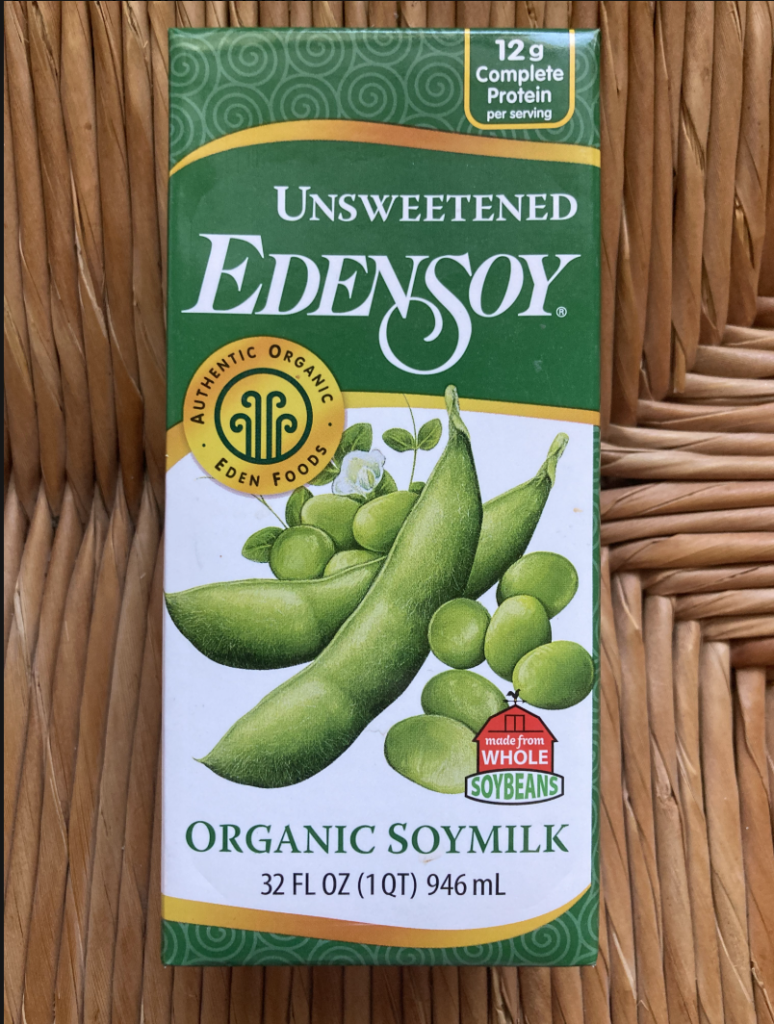
An exception is organic soy milk from EdenSoy. They use double reverse osmosis filtration in their manufacturing process and third-party testing on all ingredients. EdenSoy is always on my grocery list and my go – to for smoothies, soups, and mashed potatoes, to name a few. It’s high in protein at 12 grams per 8 oz.
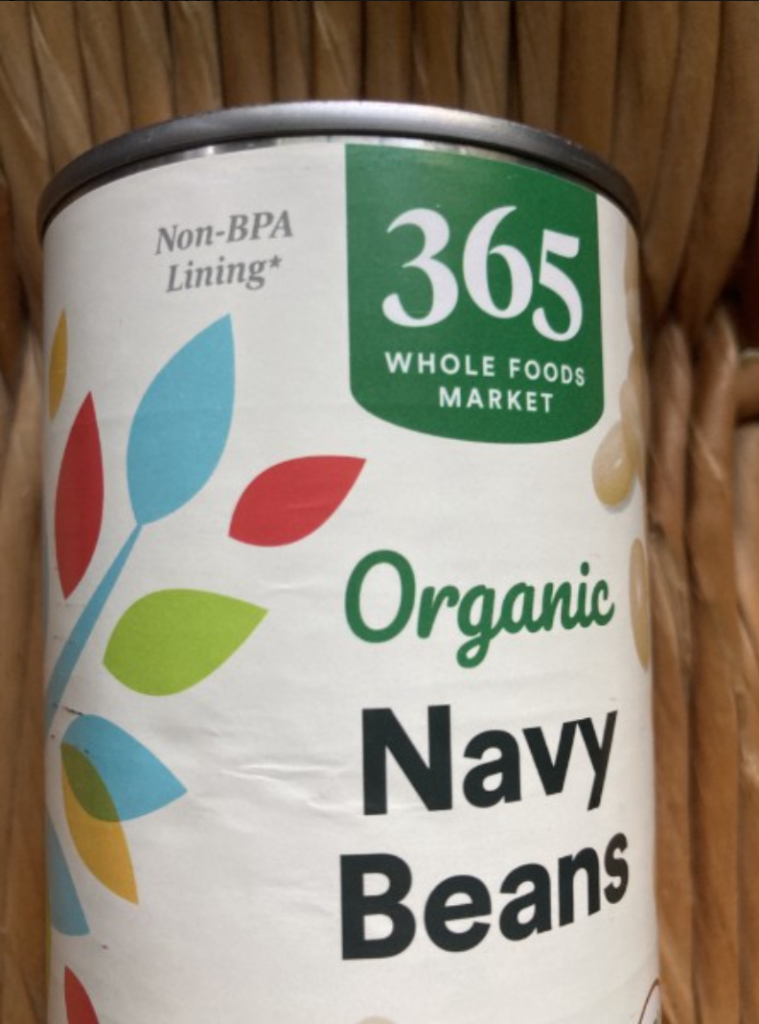
I supplement my protein needs with canned organic beans. If not 100% PFAS-free, I make sure the cans are BPA-free and rinse the beans with filtered water to remove superficial PFAS. BPA stands for bisphenol-A, a harmful chemical once commonly used to line cans to prevent rust. In the 1990s, researchers found the plastic-based lining was leaching into the contents causing endocrine and immune response disruption. Despite major changes in the canning process, 10% of canned goods in the U.S. still use BPA so don’t this nasty toxin in your grocery cart.
Still, I’m always on the lookout for clean, minimally processed, plant-based meat substitutes to reach that daily protein max. At 128 pounds, that’s about 46 grams.
Mycelium Steaks by meati have been on my list a month now. A complete protein made from fungus filaments cultivated indoors in “clean” environmental conditions, meati features a line of products including chicken and steak in a variety of flavor profiles from classic chicken cutlets to carne asada steaks. Each “steak” has about 17 grams protein.

Not one to heat and serve, I’ve been experimenting with the faux chicken and beef in traditional recipes like Italian chicken piccata and Mandarin beef stir fry found them to be flavorful though hardly worthy of a NYT review.
There’s something to be said, though, about how the sense of satisfaction and purpose in nourishing the body completely elevates the taste sensation.
Averaging $8.99 a package for two meati steaks, it beats what you’d pay for the real thing, and you can spend some of the savings on dessert which is always on my list.
That list has changed a lot lately.
My name is Carolyn R. Choate, and I am a choco-holic. Dark chocolate. Dark chocolate has a dark secret. Most of it has unhealthy levels of heavy metals cadmium and lead that the cacao plant absorbs from soil and air. Not good on a regular basis for adults and dangerous for children and women who are pregnant.
Long-term cadmium exposure increases kidney disease and bone issues including osteoporosis. Most people are familiar with health risks involving lead, especially in children: developmental delays, stunted growth, and lower IQ.
Consumer Reports on Lead and Cadmium in Dark Chocolate
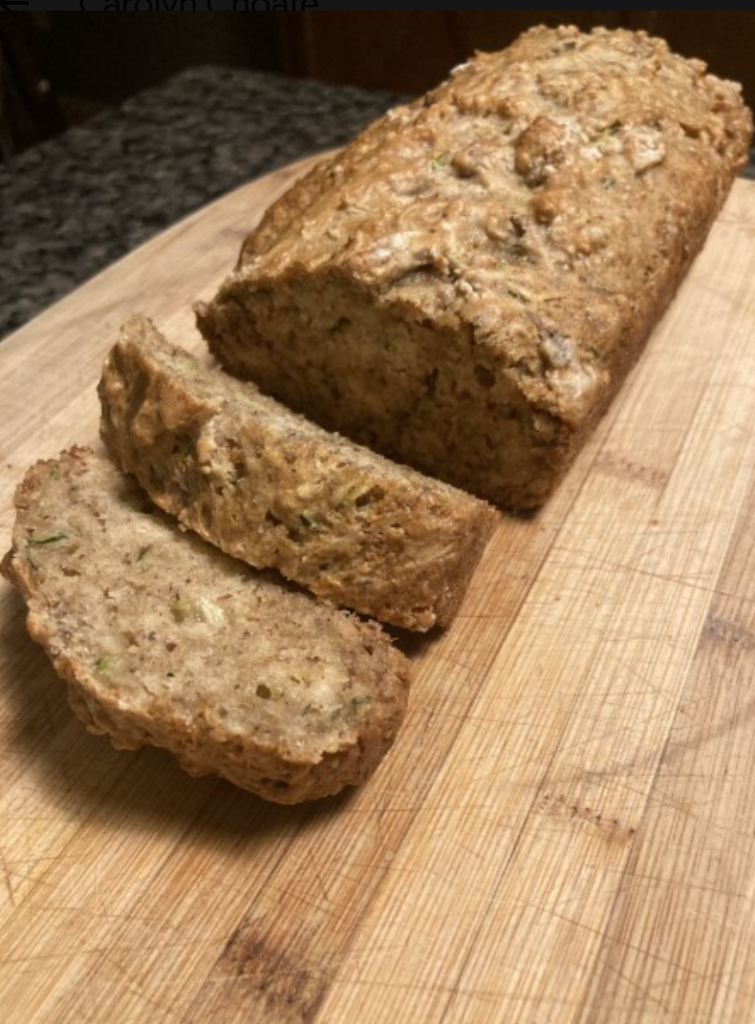
One of my favorite desserts since recovery from dark chocolate addiction is vegan zucchini bread from Nora Cooks. (Note: I swap date sugar for brown sugar and EdenSoy milk for almond milk. Add 1 extra TBS apple sauce if using date sugar as it is dry and the recipe needs additional moisture. Hold the chocolate.)
Recipe link: Nora Cooks Vegan Zucchini Bread
A curated grocery list is a commitment to better health. Healthy shopping!

Carolyn R. Choate, a lifelong foodie, has discovered a deeper relationship between health and diet. She is certified in whole food, plant-based nutrition from Cornell’s T. Colin Campbell Center for Nutrition Studies. You can reach her at crchoate13@gmail.com.
Disclaimer: The writer’s experiences and observations are intended for informational purposes only and are not intended to provide medical advice about the avoidance, diagnosis or treatment of any medical condition. Medical advice should be sought from a qualified healthcare professional.