
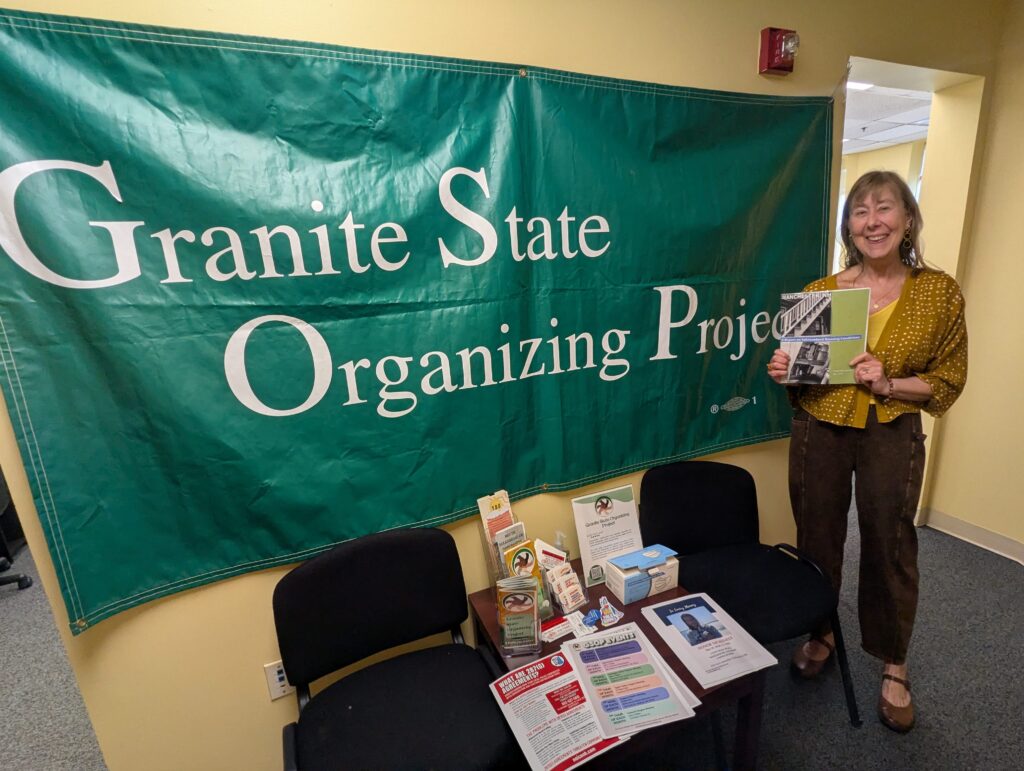
MANCHESTER, NH — Although she’s stepping down as Executive Director of Granite State Organizing Project, Sarah Jane Knoy says she’s not going anywhere. But after nearly two decades at the helm of the state’s largest faith-based, grass-roots, community organization, she’s stepping aside to make room for the next generation of changemakers.
“I’m not going anywhere, but it’s just time for me to not be getting up at 9 a.m. doing this exact thing anymore,” Knoy says. “I think I should do other things and and allow other people to step into their leadership. There’s no point in old people taking up all the space. Someone else can carry that torch – and I’ve still got plenty to do.”
She will retire in mid-June after a tenure that helped rebuild and expand the Manchester-based nonprofit from what she described as “a desk in a church basement” into a statewide community organizing network.
GSOP was founded in 2002. Knoy arrived in January 2007 from Chicago, where she had worked in community organizing. What she found in Manchester was far smaller than the organization she had left behind: a desk at St. Anne-St. Augustine Parish, a list of member organizations, and files from earlier efforts.
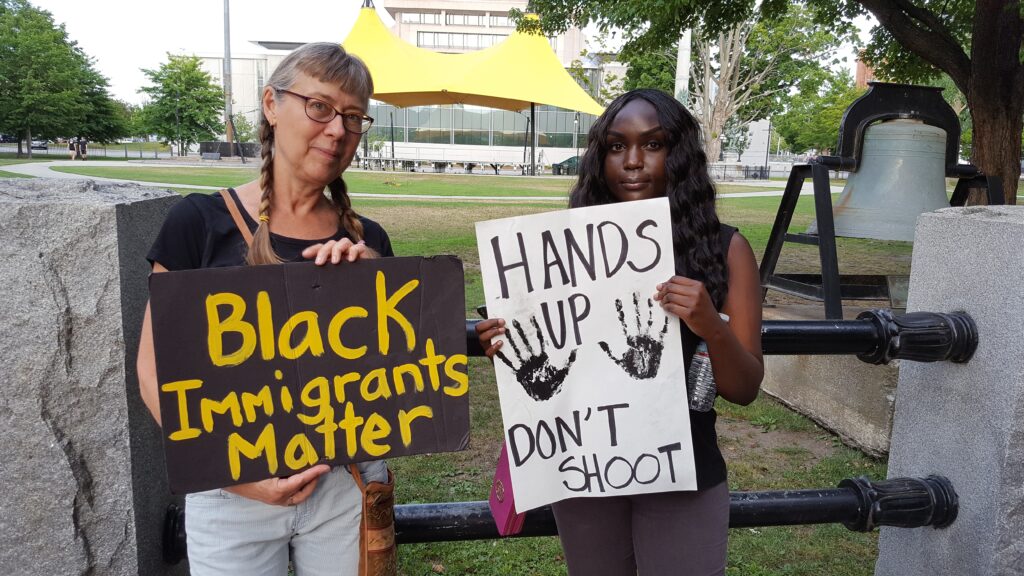
“I started calling people, and they were like, ‘Yeah, I used to be involved in that, but I haven’t heard from them for about a year,’” Knoy recalls.
With support from early allies including Pat Long, the Rev. Steve Edington, Brother Paul Crawford and Eva Castillo, Knoy began rebuilding GSOP’s base of faith communities, labor partners and grassroots leaders.
Today, GSOP has active chapters in Manchester, Nashua, Milford/Souhegan Valley, Concord and the Upper Valley, along with a statewide faith leader caucus. The organization’s stated mission is to create communities where residents accept, respect and value one another, and where justice, equity and democratic participation are upheld.
Knoy said the organization’s “North Stars” are simple: build grassroots leadership, center the voices of those most impacted and win concrete change in people’s lives. GSOP lists those same values publicly as its guiding principles.
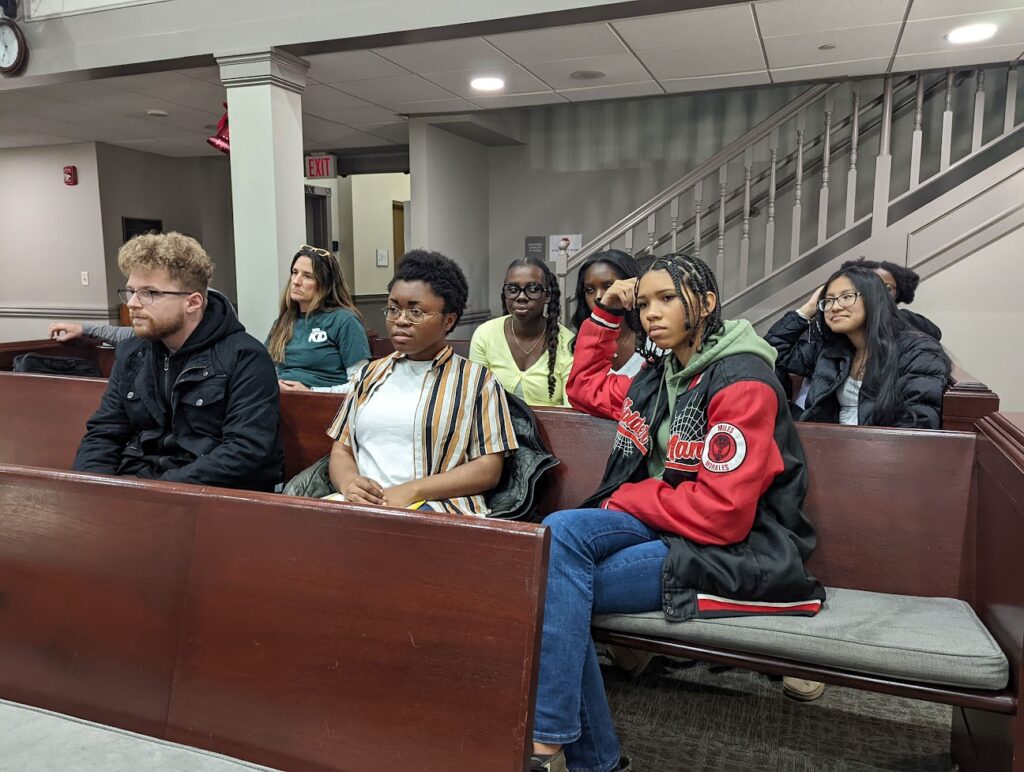
One of the efforts Knoy is most closely associated with is Young Organizers United, or Y.O.U., a group of Manchester high school students who learn community organizing and civic engagement. GSOP says Y.O.U. includes students from all four Manchester high schools and has worked on issues including student voice and African American studies in the high school curriculum.
The youth organizing work began around 2009, when a group of students of color from Central High School began meeting in her office. When the internship program supporting them ended, she invited them to continue under GSOP.
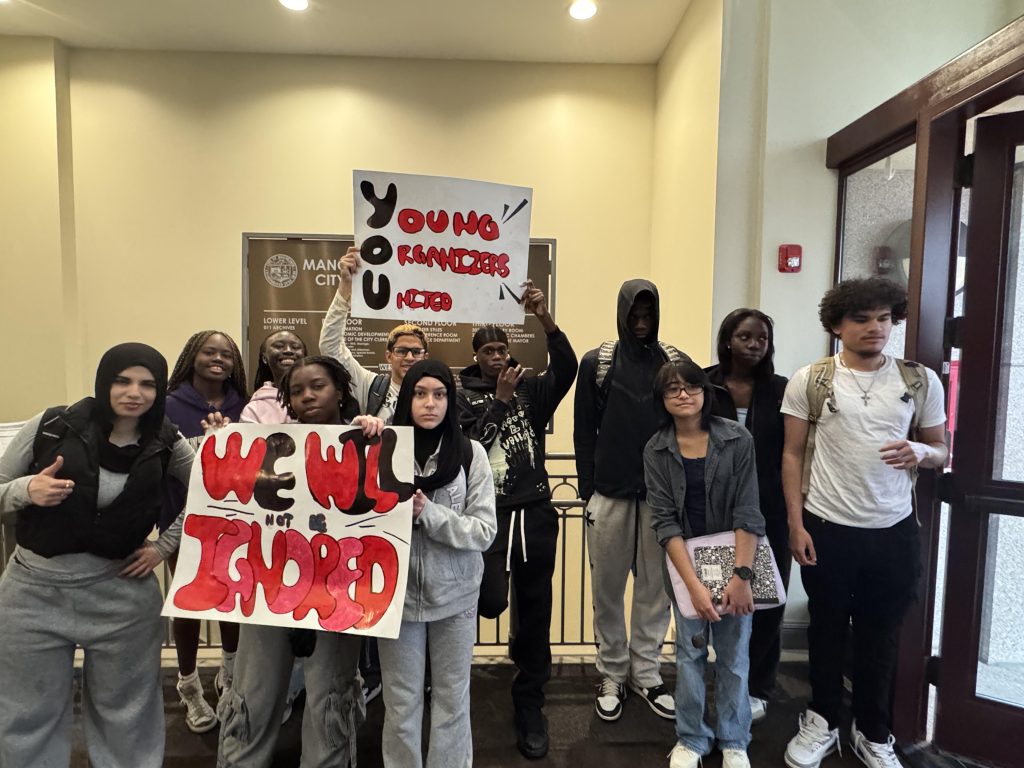
“We believe that everybody has the power to take action in their own lives,” Knoy says. “And then coming together, we have the power to change our own communities.”
GSOP’s work has also included housing, immigrant solidarity, voter outreach, education and wage campaigns. Knoy pointed to Manchester’s move to ensure no city employee made less than $15 an hour as one example of organizing that produced a measurable result for workers.
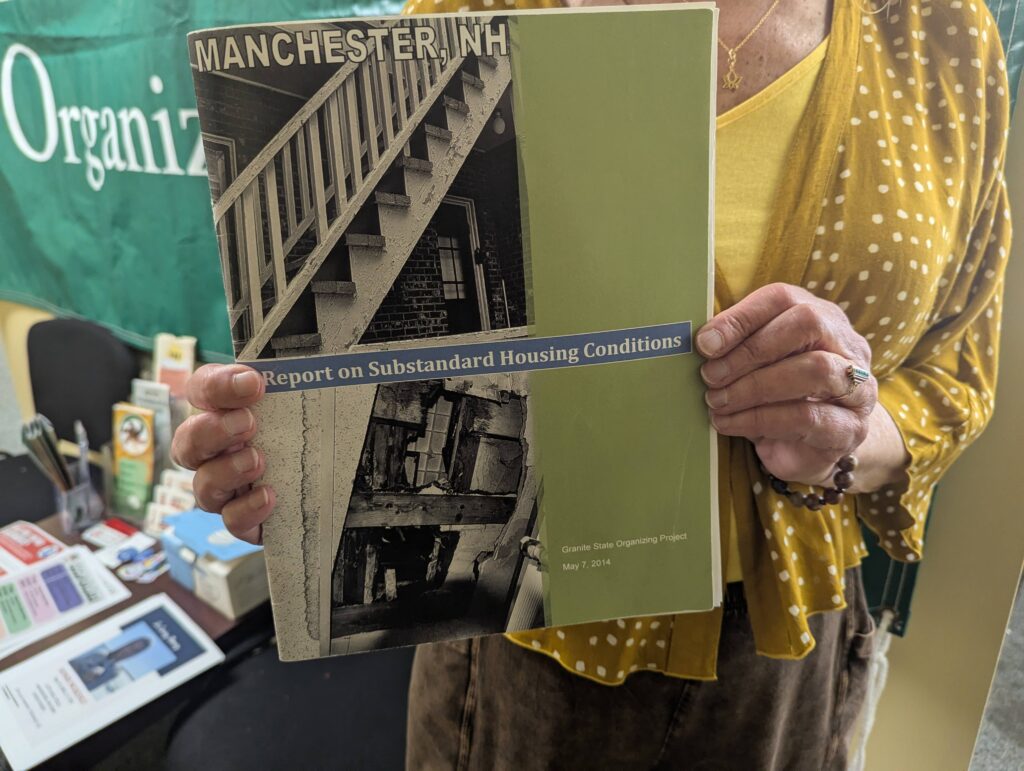
She also recalled GSOP’s 2014 housing report on poor conditions in Manchester apartment buildings, work that helped lead to broader public attention and the creation of a city housing commission.
“We’d been doing all this work on the poor conditions in homes in the are of Orange Street, Pearl Street, Lowell Street, and we put all these pictures and reports up on the wall in our little old office up on Lowell Street showing the lack of inspections and then we hired a writer to come and work with us and pull all this together and publish this report,” Knoy says.
Recently she went back to check out some of the specific buildings cited in their report and is happy to report they’re all up to date.
“When we started this work, they were two and three years behind. Apparently, they’re no longer behind, which feels amazing, to know that we were able to make a lasting difference,” Knoy says.
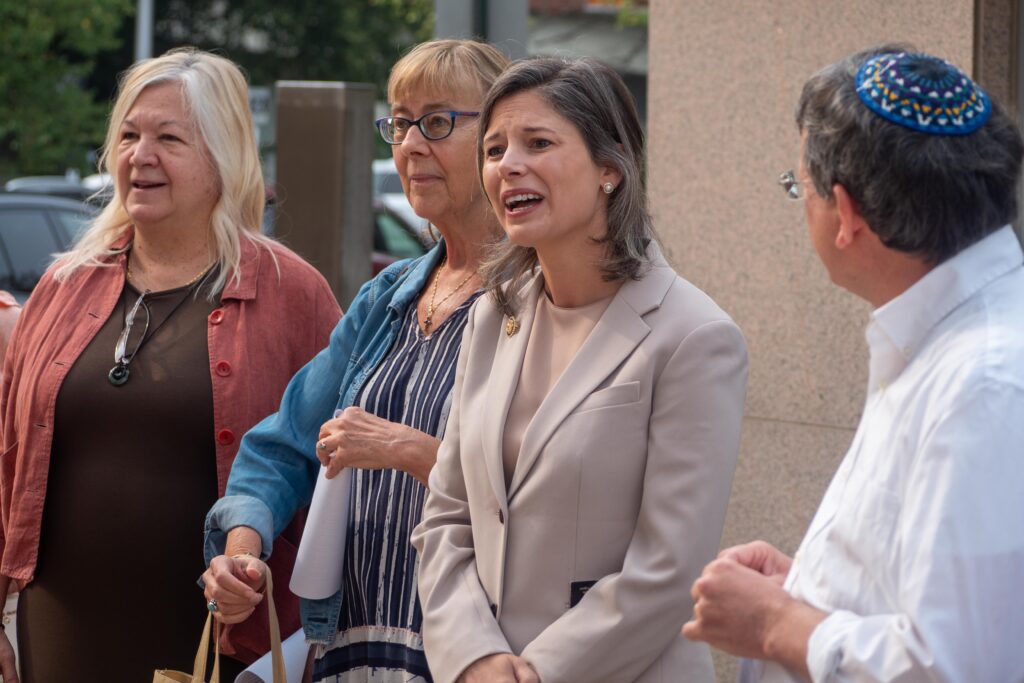
For Knoy, community organizing is often misunderstood. It is not, she said, an organizer arriving with an agenda and telling people what to do.
“Genuine community organizing starts with listening,” she says. “We never tell people what they’re supposed to care about.”
She talks about the extraordinary power that comes from ordinary moments when people come together and share their stories.
“You get a group of moms in the room with their kids and they share stories about problems with their kids and the schools, and everyone starts to cry because they all love their kids. And the thing is, they all think that it’s their own fault until, through coming together and sharing, they realize these problems are not their fault; they’re the fault of the system,” Knoy said. “A system that’s designed to make people feel individually responsible for things like poverty, disease, bad housing.”
And systems, she said, can be changed. She’s seen it happen, and is confident in the next generation, which is already stepping up in leadership positions.
“Mackenzie Verdiner is an example of that – she started out as a YOU kid while she was in high school and now she’s the program coordinator,” Knoy says.
Knoy’s last official day is June 15, with a retirement celebration planned at the Derryfield for June 16. She expects to continue teaching yoga, hopes to travel, may do consulting and plans to remain involved with the Immigrant Solidarity Network, which has held monthly vigils at the ICE building in Manchester since 2017. GSOP also cites the network as one of its statewide collaborations.
After a career she describes as a calling, Knoy said the work remains as important as ever.
“I’ve been a waitress, a nurse’s aide, I worked in a donut shop, and paid my way through U Mass – which was cheap back then – and I’ve been a door-to-door outreach worker, but I’ve always done social change work. I’ve always been a community organizer. So, it’s like a calling for me. It’s not a job, and it’s very, very difficult to leave it,” Knoy says.