
Story Produced by

CONCORD, NH – The Executive Council last week approved the purchase of 6,000 overdose prevention kits, while also renewing a state contract with the New Hampshire Harm Reduction Coalition.
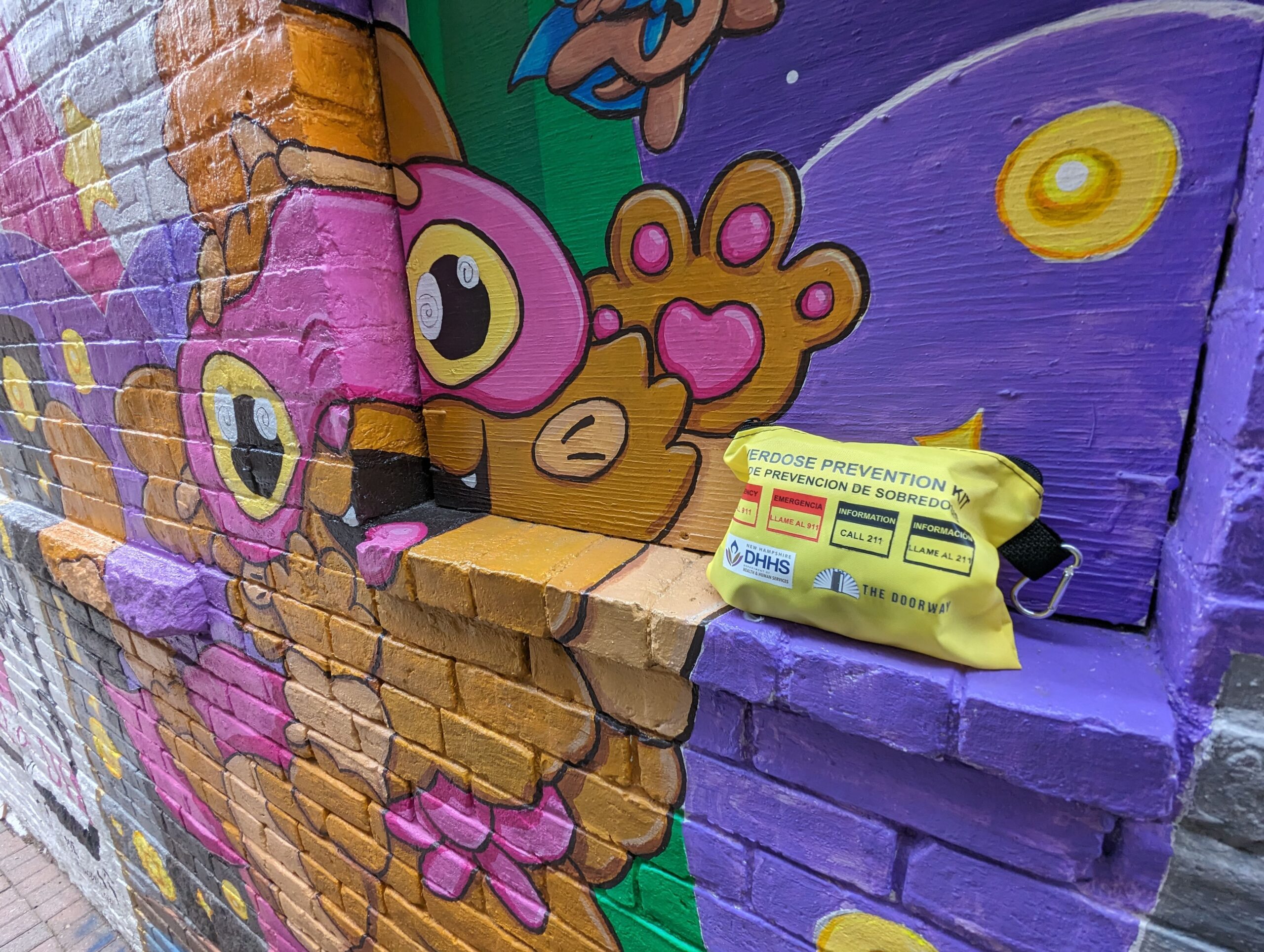
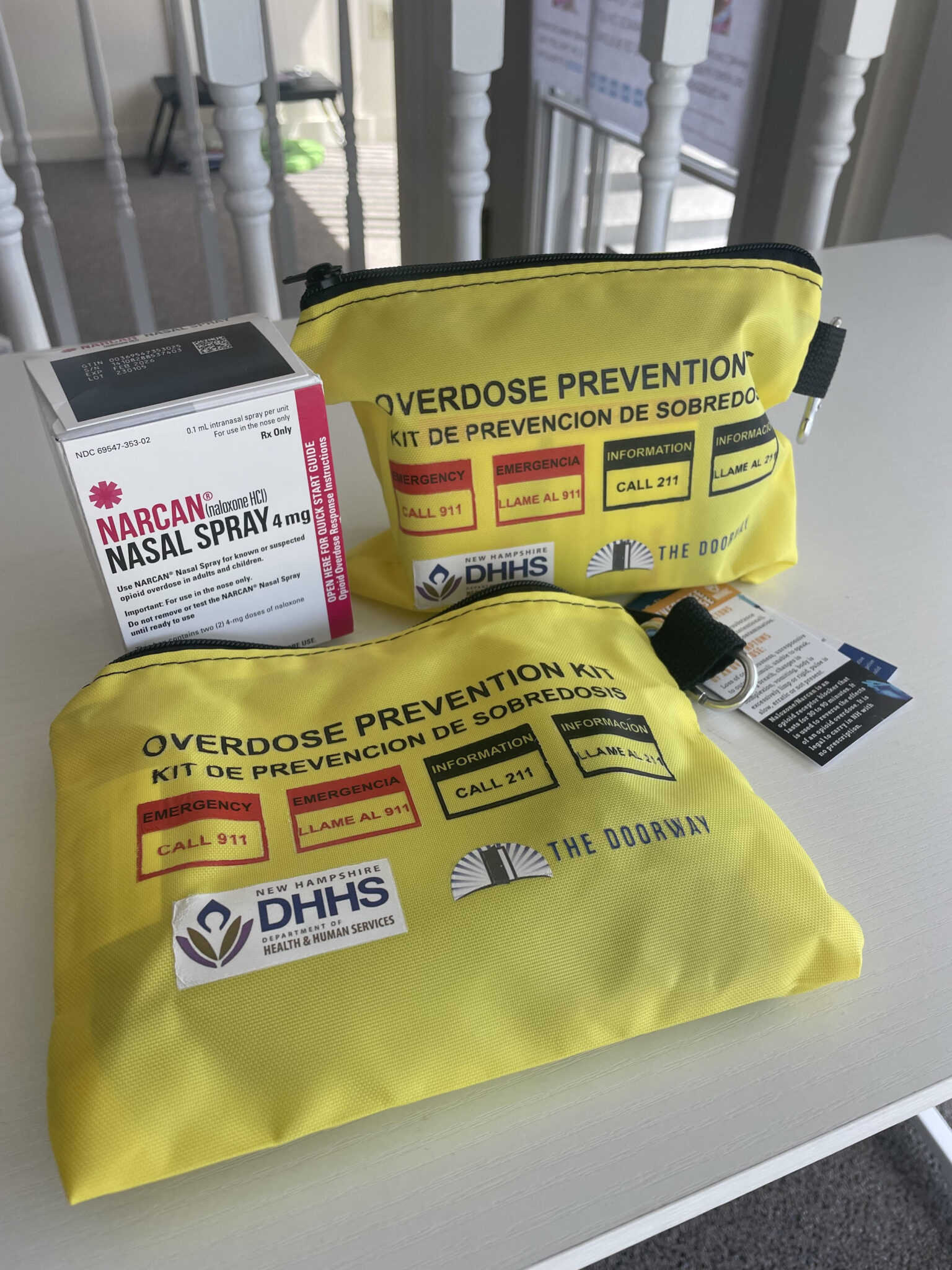
In April, the Department of Health and Human Services announced it would deploy 700 “NaloxBoxes” across all 10 counties, thought to be the first large-scale effort of its kind in the country. On Wednesday, councilors approved thousands of additional yellow pouches containing naloxone (or Narcan), educational materials, and personal protective equipment to beef up the state’s efforts to thwart overdose deaths.
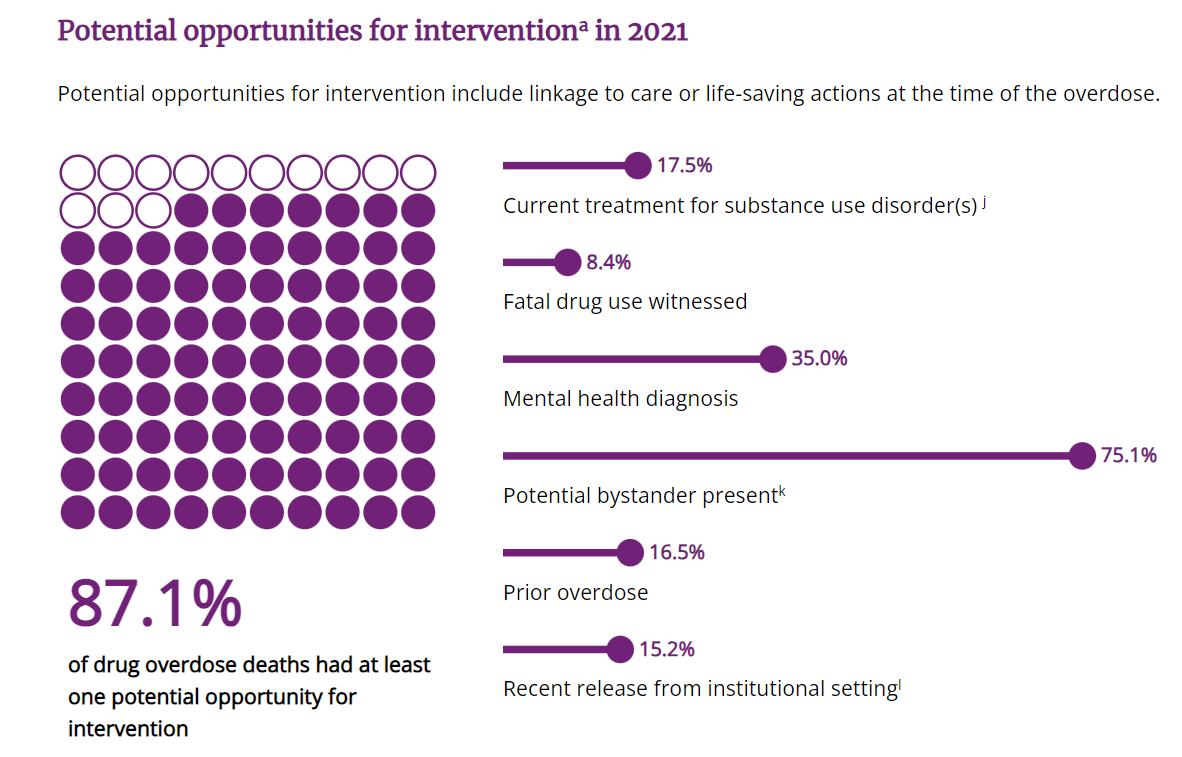
Data from New Hampshire’s Unintentional Drug Overdose Reporting System shows that 313 overdose fatalities in 2021 had a potential bystander present. As a result, DHHS is looking to bystanders — potential intervenors — as key partners.
“DHHS continues to increase access to naloxone for members of the public who may witness an overdose emergency,” DHHS Commissioner Lori Weaver wrote in her request to the council.
Weaver said bystander access to the “lifesaving medication” naloxone “will reduce mortality for those experiencing an overdose emergency.”
Funds from federal State Opioid Response Grants have gone toward the purchase of naloxone since New Hampshire was first awarded the recurring grant in 2018. In this instance, Weaver wrote to councilors, the overdose prevention kits need to be received by Sept. 29 in order to utilize the current federal funding allocation.
The state is purchasing the kits from Common Cents EMS Supply LLC, and each one will cost $69.01 for a total of $414,060.
State renews harm reduction contract
Also during its Aug. 23 meeting, the Executive Council voted to extend and increase the state’s contract with the New Hampshire Harm Reduction Coalition, a statewide nonprofit organization working to prevent overdoses, infections, and negative health outcomes through syringe exchange programs, supplies, and education.
The council authorized an additional $400,000 be added onto the coalition’s 2022 contract amount, bringing the renewed contract to $2.5 million through Aug. 31, 2024.
NHHRC provides mobile harm reduction services during weekly stops in Manchester, Concord, Rochester, Dover, and Somersworth via its overdose prevention van. In addition to offering syringe exchanges, staffers and volunteers distribute fentanyl and xylazine test strips, safer smoking and snorting kits, condoms, Plan B, wound care supplies, and general hygiene products, among other items.
The coalition’s care coordinators conduct outreach and one-on-one consultations, maintaining relationships and linking people to additional services.
Last year, participants in the coalition’s programs reported reversing 1,459 drug overdoses. Meanwhile, 500,000 used syringes were turned in — representing an average return rate of about 87 percent.
According to DHHS, approximately 2,500 individuals who are at greatest risk for infectious disease complications due to drug use will be served by NHHRC during state fiscal years 2024 and 2025.
Weaver warned executive councilors and Gov. Chris Sununu that if the contract wasn’t renewed, DHHS “will be limited in its capacity to respond to the opioid epidemic, potentially resulting in increased overdose rates, lack of awareness of support systems for the state’s citizens affected by substance use disorder, and increasing rates of wound complications and infectious diseases such as Hepatitis C and HIV.”
Additionally, she said, “individuals will have less access to the resources and educational materials necessary to make informed decisions about their own health.”
The state’s funding for NHHRC is all federal dollars, and stipulations are attached to the contract in terms of what it can be used for. NHHRC cannot use the funding for the following: naloxone, syringes, fentanyl test strips, harm reduction kits, furniture or equipment, HIV and sexually transmitted disease testing, drug disposal, or medical or clinical care.
This story was republished with permission under NH Bulletin’s Creative Commons license.