Video by Romal Shinwary.
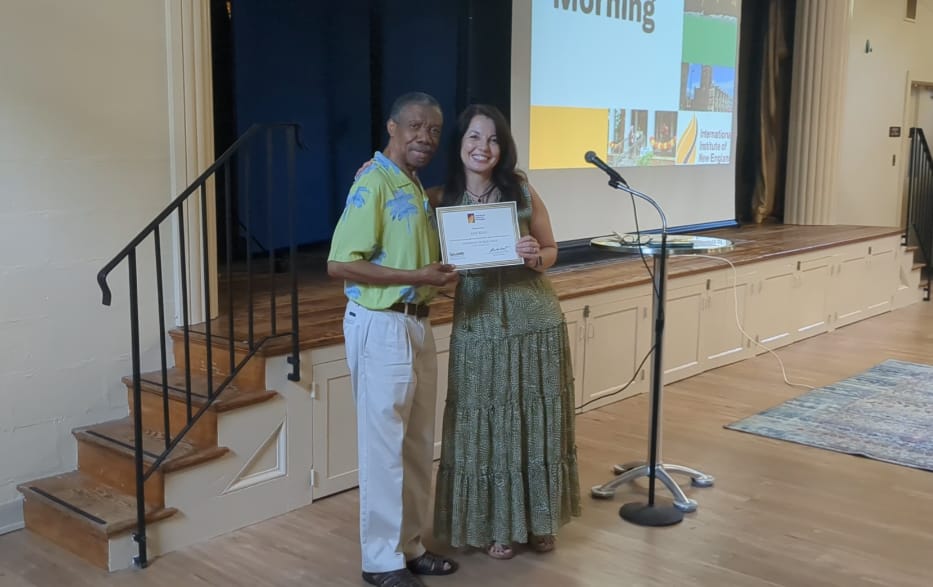
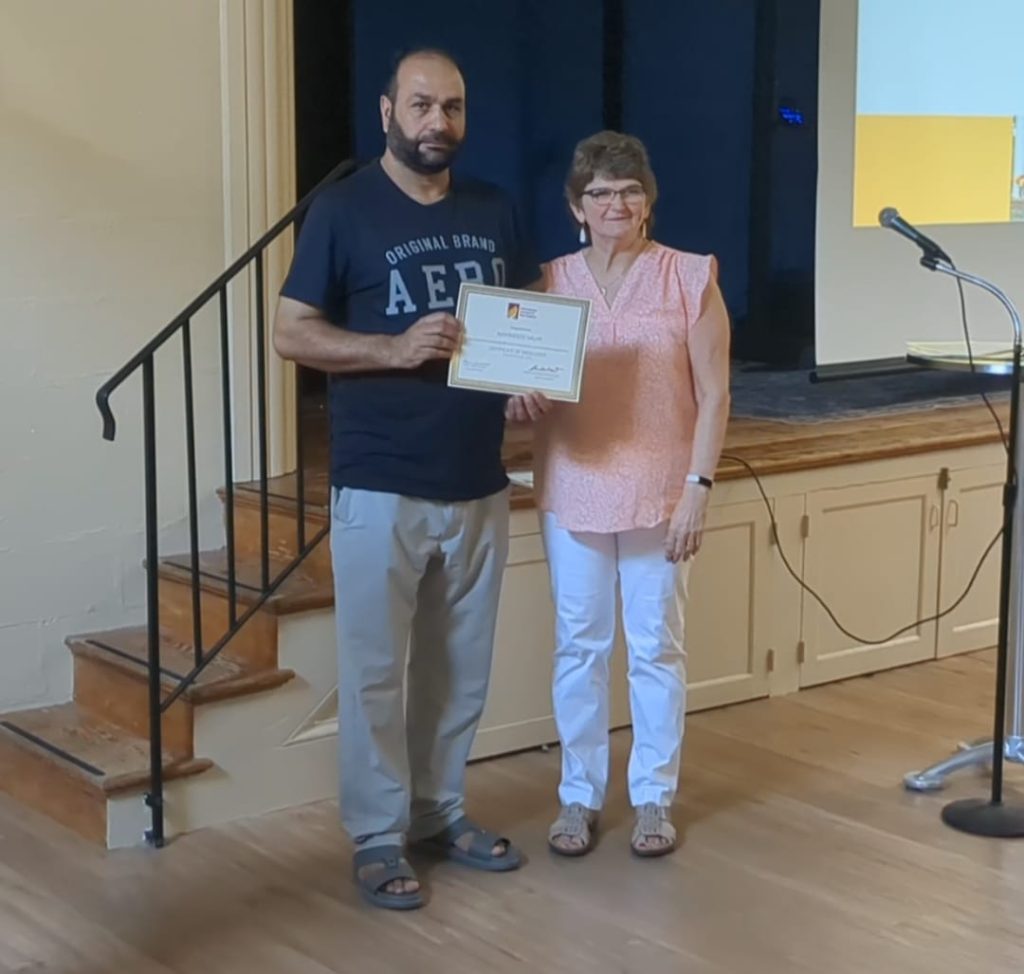
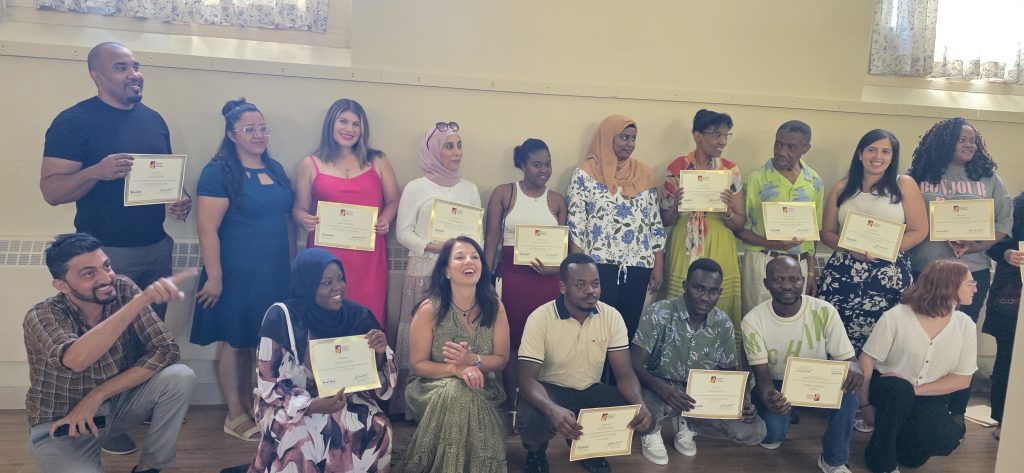
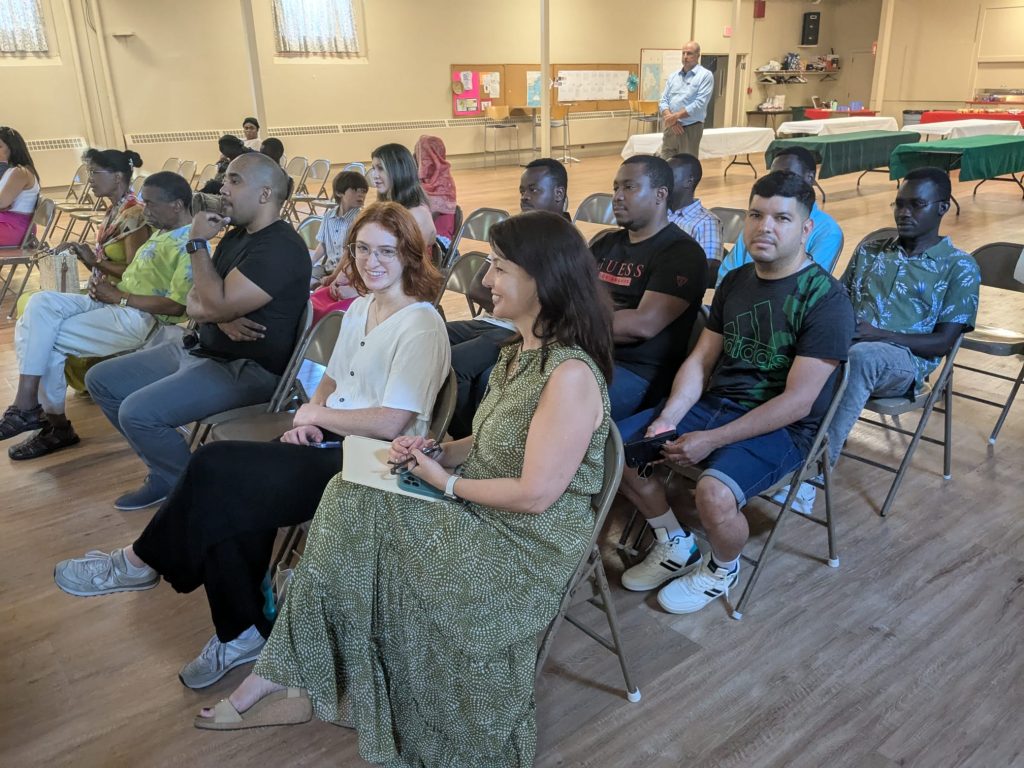
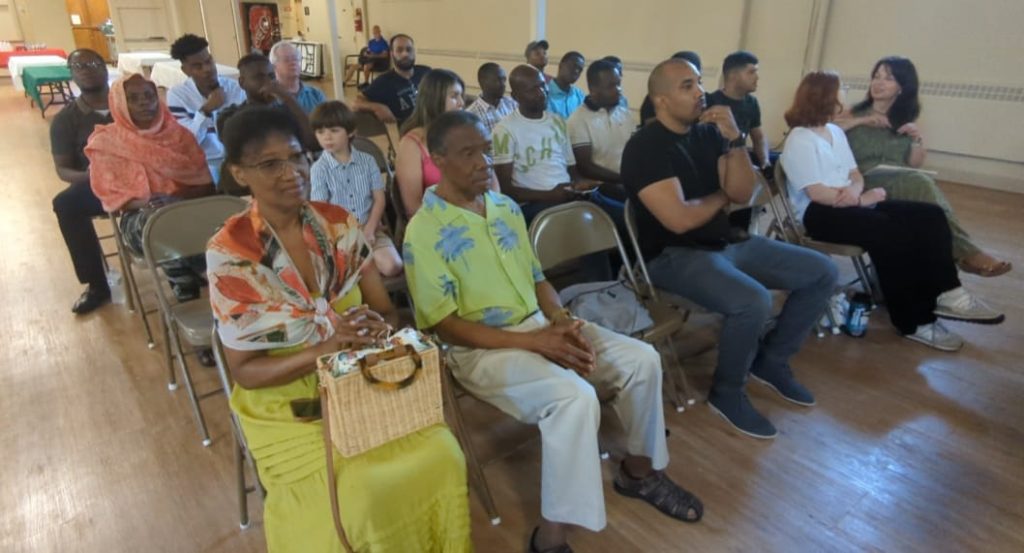
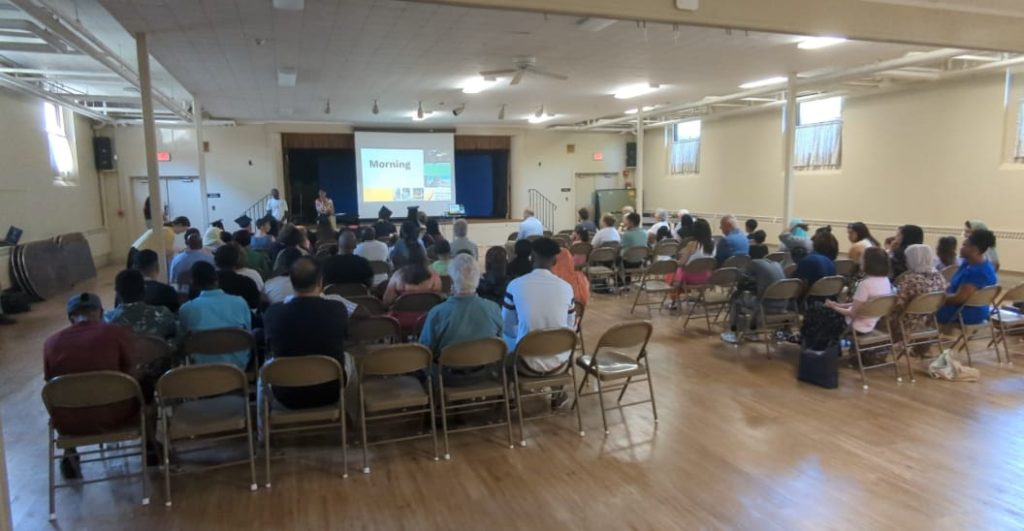
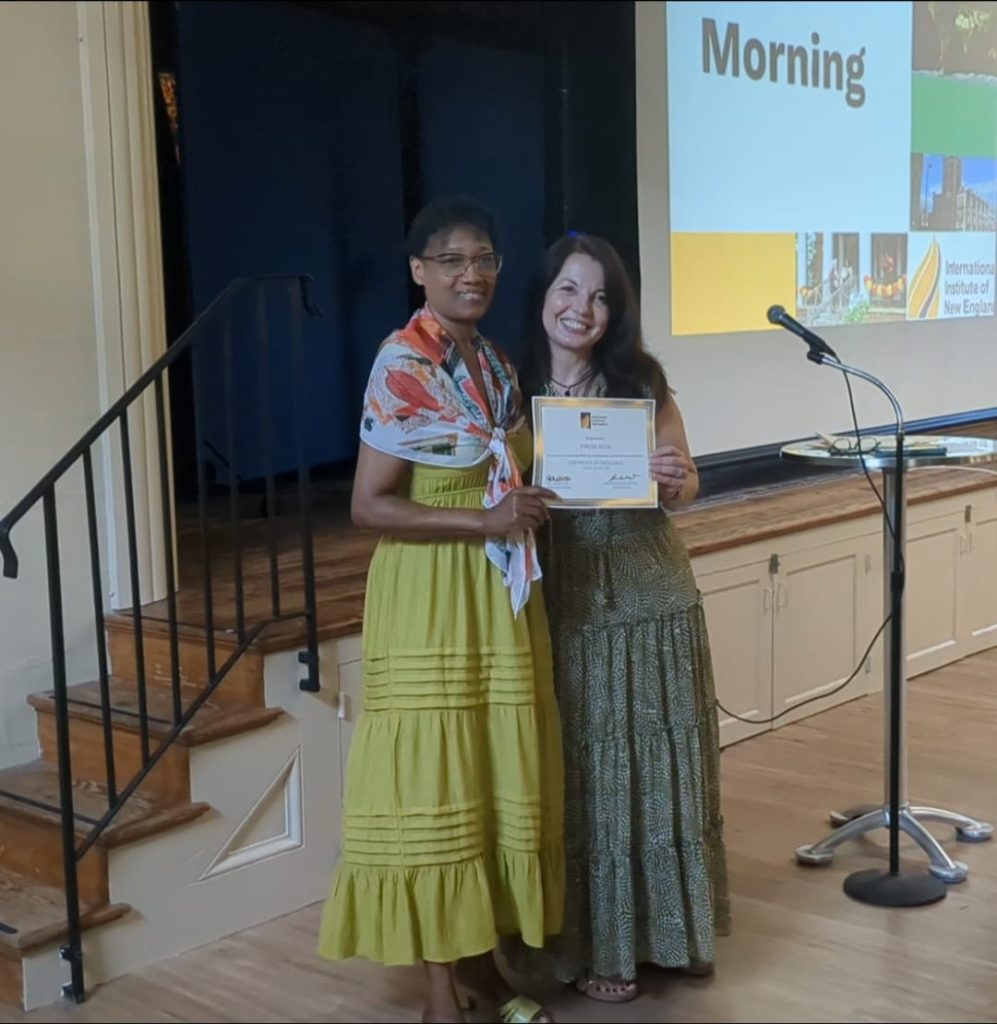
MANCHESTER, NH — The atmosphere at Brookside Congregational Church buzzed with emotion and celebration as students from the International Institute of New England (IINE) gathered to mark the end of their English language learning year. Each certificate handed out during the graduation ceremony represented more than just classroom hours and passing the final exam — it symbolized resilience, community, and hope for a better future in a new homeland.
Students were also awarded for the number of hours they committed to studying throughout the year — a recognition of persistence over performance.
“We know how many challenges our students face, from trauma and language barriers to transportation and childcare,” said Joe Gilbert, Associate Director of IINE’s Manchester ESOL program. “But what they can control is how hard they work. This ceremony is a celebration of that effort.” Superlative awards were also presented, honoring students for perfect attendance, community leadership, and perseverance — qualities that speak to the heart of the immigrant experience.
With over 340 students enrolled this year and nearly 250 on the waitlist, the ESL program at IINE has become the largest in Manchester and one of the largest in the state. Teachers like Pam Seremet and Caroline Edwards guide students through in-person and hybrid “Hi-Flex” learning environments, balancing literacy, digital skills, job readiness, and even civics lessons.
“Our students know that learning English is the key to everything — from helping their kids in school to getting a job and engaging in their communities,” said Seremet.
Edwards spoke about the joy it brings her to work with immigrants and refugees through IINE, somthing she’s been doing for more than three years now.
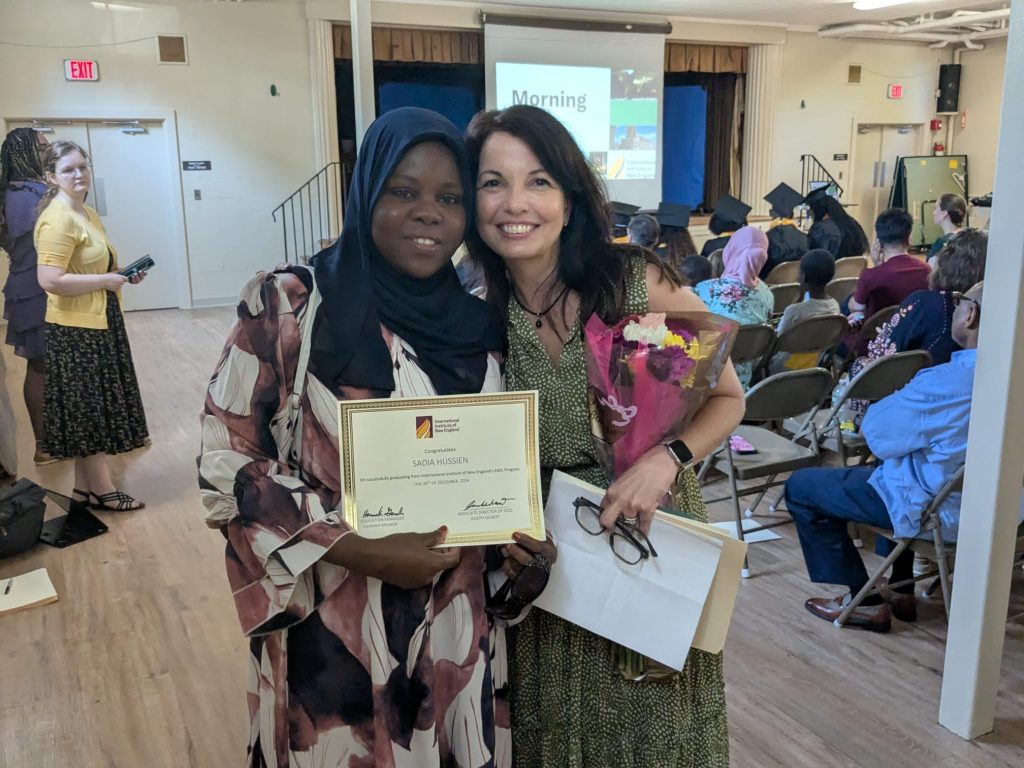
“They teach me a lot. I know that these students have been through immense hardships,” Edwards said. “I have students who have been able to improve their level of English and are abel to find jobs or improve their education and go on to higher education. I know that it brings confidence and helps them find fulfillment in their new homeland. By welcoming them into the country we get them settled and we empower and enrich them; we try to get them workforce ready which is really very important.”
The student body is as diverse as the languages they speak. Refugees and immigrants from Haiti, Congo, Afghanistan, Ukraine, Syria, the Dominican Republic, South Sudan, and many more nations fill the classrooms with stories, determination, and dreams. For many, like Ruba from Syria or Amanwel Elboni from South Sudan, mastering English represents freedom and opportunity. “English is necessary in daily life,” Elboni said. “When I started, my English was very bad. Now, I feel more confident. I can speak, I can work, I can plan for a future here.”
Students shared reflections in emotional end-of-year presentations. Regis from Haiti spoke of insecurity in her homeland and her hopes of becoming a nurse. Lisselot from the Dominican Republic beamed with pride over her progress. “Now, I can speak very well and communicate with others,” she said. Anna, a former teacher in her home country, now dreams of teaching again — this time, in English, in the United States. “This program changed my life,” she said. “It gave me the skills and the confidence to start over.”
As the graduates hugged, laughed, and shared food from their home countries, the celebration was more than just an end-of-year ceremony — it was a reminder that language is a bridge, and that every hour of effort is a step closer to belonging. With continued support, these new Americans are not just learning English — they are finding their voices.
Photos by Romal Shinwary