
O P I N I O N
THE SOAPBOX

Stand up. Speak up. It’s your turn.
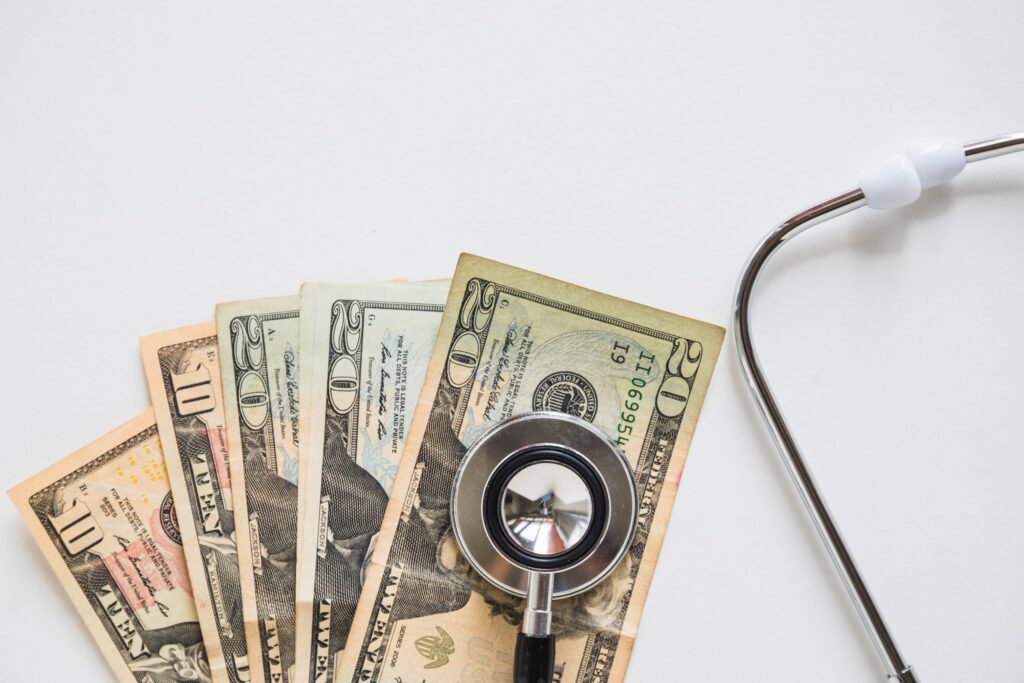
Since President Trump signed his signature tax cut law, the One Big Beautiful Bill Act (OBBBA), last year, the impact of changes to health care under the new law has contributed to a growing chorus of lawmakers calling for increased affordability.
OBBBA, the President’s signature legislative achievement so far in his second term, slashes nearly a trillion dollars from Medicaid, potentially resulting in over 10 million people losing coverage and scores of hospital and clinic closures over the coming several years. But the massive cuts to Medicaid are just the beginning. Following passage of the OBBBA, President Trump and Congressional Republicans made things worse by refusing to extend the enhanced premium tax credits under the Affordable Care Act, the landmark “Obamacare” law that brought the number of uninsured people to historic lows and ended insurers’ ability to discriminate based on pre-existing conditions.
Since it was originally passed, many improvements have been made to the ACA to increase access and reduce costs for enrollees. In 2025, over 90% of ACA enrollees received tax credits to lower the cost of coverage, leading to record enrollment that was largely driven by states like Texas and Florida, which have long refused to expand their Medicaid programs to include more people but still reduced the number of uninsured thanks to the ACA’s enhanced tax credits.
Over 70,337 people in New Hampshire were enrolled in ACA coverage in 2025. But, since President Trump and the GOP have allowed premium tax credits to expire, thousands are now priced out of coverage. Those who have renewed coverage in the ACA marketplace are now paying much higher out-of-pocket costs because insurance companies have hiked their premiums by as much as 30%. Between the cuts to Medicaid and cost increases under the President’s ACA change, 33,000 people will lose health coverage between now and 2034.
While leaders of both parties are condemning higher costs, there is almost no meaningful effort to address the root cause of high cost: corporate control over prices.
In today’s highly consolidated health sector, too many insurers, drug corporations and hospitals have monopoly power to charge any price they want and to raise those prices unilaterally any time they want. It’s no wonder that costs are unaffordable given that corporations set the prices. Their job isn’t to ensure affordability, it’s to maximize profit.
Until Congress intervenes to curb corporate control of prices, there is little chance that health care will be affordable. The health care debate will not be about how much is reasonable for corporations to charge, but rather about who is going to pay for the infinite price increases that boost corporate profits and shareholder returns. President Trump clearly believes consumers should pay–that’s why he took away tax credits through which the government subsidized a large portion of the cost.
Moreover, despite his rhetoric condemning greedy insurance companies, President Trump has shown no inclination to take away the industry’s power to raise premiums and price-gouge on deductibles. In fact, his actions contradict his words.
Not only does the President’s OBBBA NOT stop price-gouging or help Americans pay for cost hikes, it actually rewards health care corporations for raising their prices by giving them massive new tax breaks that enable them and their shareholders to keep more of their profits. Unlike average American workers, the more money corporations, CEOs and shareholders make, the less they have to pay in taxes. By design, the OBBBA does not control prices or lower costs–it just shifts the burden of paying to businesses, workers, taxpayers, and state governments.
Since the ACA’s passage sixteen years ago, health care corporations have evolved to extract ever more profit at the expense of patient health and economic security. The ACA made tremendous progress in addressing the crisis of growing uninsured and the unfettered insurance industry abuses that locked people out of coverage even when they faithfully paid their premiums.
The law was never intended to transform the system, but rather to tame some of its worst attributes. Today, it’s clear that we need more action on healthcare through policies that directly curb corporate control over our healthcare and that take away the corporations monopoly power to price gouge.
Instead of lip service and fake outrage, politicians of both parties should buckle down and work together to leverage the power of government to regulate price in the interest of finally achieving sustainable and lasting affordability.
Ann Grossi is a member of Board of Directors for Granite State Organizing Project.
Beg to differ? Agree to disagree? Comment below using our DISQUS app. Got issues of your own? You can upload it using our DIY feature here.