
CONCORD, NH – December is peak time annually for home candle fires, with the top three days for home candle fires being Christmas Day, New Year’s Eve, and New Year’s Day. According to the NFPA, candles cause an estimated 15,600 house fires, 150 deaths, and over 1,000 injuries per year.
Although 1-in10 candle fires begin with some sort of decoration, two thirds occur when combustible material is left too close to the candle, such as wrapping paper or boxes, disposable plates and cups, and anything else laying around that could suddenly catch the flame and spread.
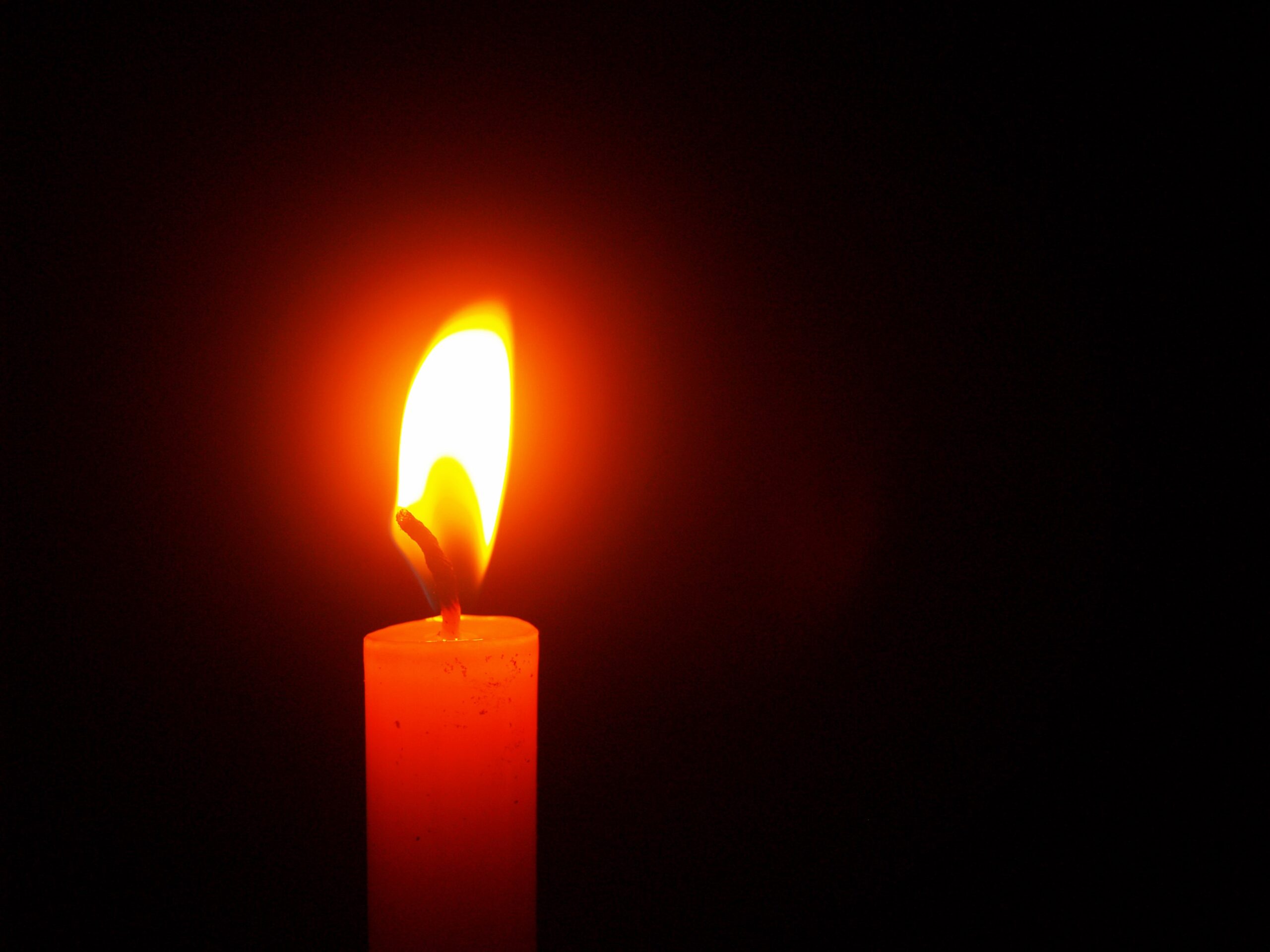
New Hampshire Fire State Marshal Paul Parisi wants to remind residents that open flames are inherently dangerous, especially when left unattended. “I strongly encourage everyone to be diligent if they choose to use candles. Don’t put them next to a drafty area or vent, where a fire could ignite and spread very quickly, and don’t burn them for more than a couple hours at a time before letting them cool. You also don’t want to burn a candle if there’s less than ½ inch of wax at the bottom, so the glass doesn’t get too hot and crack or shatter.”
“Believe it or not, many U.S. candle manufacturers include directions on their candles, with warning labels, but people tend to just open and light them without thinking about it. The use of battery-operated flameless candles is a safer option. Flameless candles are not only safer than traditional wax candles, but they are also available in a variety of sizes and styles that fit most needs.”
The following simple tips can help you use candles safely:
- Never place a burning candle next to something that can catch fire and make sure it’s at least 12 inches away from anything that can burn.
- Always place them on a heat-resistant surface.
- Never leave a burning candle unattended – Always put the candle out when leaving the room or going to sleep.
- Keep burning candles out of the reach of children and pets.
- Do NOT burn candles all the way down to the bottom. Throw them away if there’s a half inch of wax or less remaining.
- Extinguish taper or pillar candles when they get within 2” of their holders.
Another leading cause of holiday fires is related to Christmas trees, which are more likely to be deadly if they do happen. According to the US Fire Administration, one of every four home Christmas Tree fires is caused by electrical problems. Similarly, 25% were related to having a heat source too close to the tree.
If you have a real Christmas tree in your home, here are some tips to ensure safe enjoyment throughout the season, and some very important considerations for holiday-related electrical use.
Prevent Dryness
- Ideally, you purchased the tree locally, meaning it’s fresher and likely didn’t have brown needles (avoid brown needles when choosing your tree because those trees are drier and more flammable).
- Prepare the base of the tree before mounting in the stand. Cut ½ to 1 inch off the bottom, using a chainsaw or manual saw to aid water absorption while in its stand.
- Do NOT cut at an angle, which makes it more difficult to stay on the stand.
- Do NOT use a reciprocal saw or any blade that moves so fast it creates friction. The heat from friction may release sap, which seals the end and makes water absorption impossible.
- Mount your tree within 8-hours of cutting the base (that’s how long a tree can go without water before absorption is jeopardized)
- Be sure to fill the reservoir at the base of your tree with water.
- Use low-heat decorations on the tree, such as mini lights.
Electrical Safety
- Check holiday lights each year for frayed wires or excessive wear.
- Don’t link more than three strands of holiday lights.
- Keep your live Christmas tree away from heat sources and room exits.
- Match the power requirements (amperage) of your electrical decorations with the amperage rating of the extension cords you may be using. Ensure that the cord is rated equal to or higher than the connected load(s).
- Never overload electrical circuits. Add up the current requirements of the load you are connecting to the loads already on the particular circuit you are using.
- Protect extension cords from damage. Never support light strings in a way that would damage the cord’s insulation. Cords shouldn’t be pinched by furniture, forced into small spaces, placed under rugs, located near heat sources or attached by nails or staples.
- Make sure that all of your outdoor circuits are protected by Ground Fault Interrupters (GFCIs).