
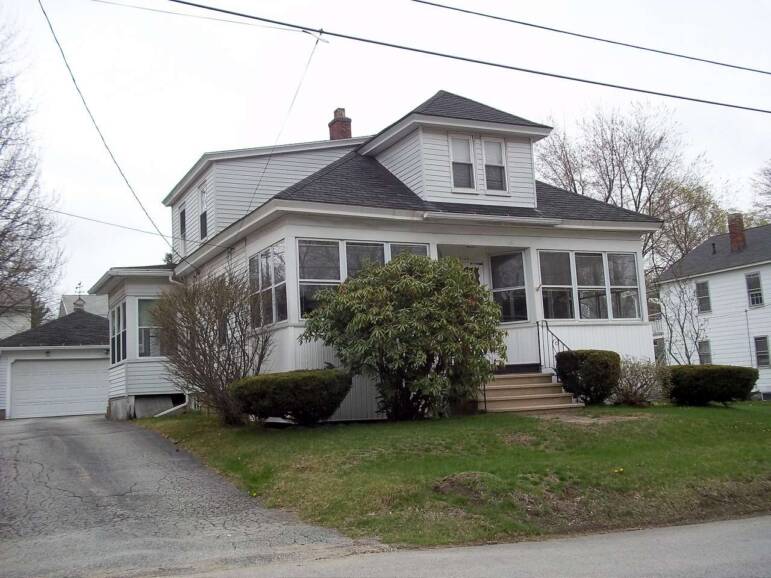
MANCHESTER, N.H. – On Thursday, the Manchester Zoning Board of Adjustment (ZBA) denied a variance request to a proposed congregate housing unit on Grand Avenue.
The variance request sought to use a single-family home for a drug recovery facility in a part of the city where that is not allowed by right under the city’s zoning ordinance, with additional waivers regarding the zoning ordinance’s requirements for minimum lot area, minimum lot frontage and side yard setbacks.
Attorney Andrew Tyne, speaking on behalf of the congregate housing unit applicant, requested that the variance either be granted or that the six individuals living in the home recovering from substance abuse be classified as a family given their close ties and shared activities as defined under the Fair Housing Act. Under the city’s zoning ordinance, residential use by a family is not considered to be congregate living and is allowed without a variance.
Several women who have received support in the building in the past provided the board their testimony about the importance that property held for them in their recovery, with Kim Bock of the New Hampshire Coalition of Recovery Residences stating that the facility follows federally-recognized guidelines for substance recovery facilities.
Those women were followed by just over 20 minutes of testimony from Manchester residents sharing various concerns.
Most of the residents shared their support for the women, but expressed opposition regarding the fact the facility operated without a variance knowing that it needed one and that other parts of the city allow congregate living facilities without a variance. Other concerns included possible disruptions to the neighborhood from the facility, the impact on property values to the neighborhood from the facility, and the opinion that the operators of the facility are more concerned with profit than helping its occupants in recovery.
Manchester Mayor Joyce Craig, Ward 5 Alderman Anthony Sapienza, Ward 6 Alderman Sebastian Sharonov and Alderman At-Large June Trisiciani also wrote letters in opposition, among other letters in opposition submitted by local residents who were unable to attend the meeting.
ZBA Chairman Robert Breault did not see the members of the facility as a family and expressed concern that the variance would stay with the property and could be given to another congregate living facility operator if the current operators sold their stake in the facility.
ZBA Vice Chairman Jose Lovell also did not see the members of the facility as a family given the facility’s role as a for-profit business and ZBA Member Anne Ketterer struggled to see the hardship for the applicant given the fact that eight of the 12 wards in the city have areas where congregate living facilities are allowed by right. Ketterer also noted that similar organizations have come to the ZBA in the past with similar requests that have been denied.
The motion to deny the request for a variance passed unanimously.