
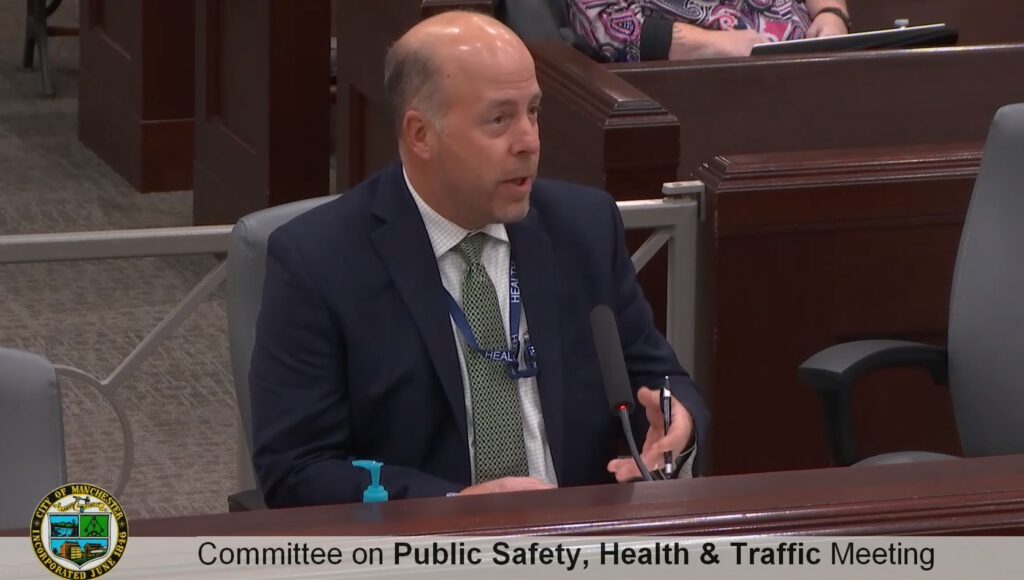
MANCHESTER, N.H. – The next step in possible changes to the city’s home-based food preparation ordinance was the topic of discussion during the Nov. 18, 2025 Board of Mayor and Aldermen Committee on Public Safety, Health and Traffic.
This push for updates came after “Picklegate,” a dispute between Manchester resident Dan Mowery and the Manchester Health Department regarding the production of homemade pickled vegetables for individual sales over social media.
Manchester is one of 15 communities in the state of New Hampshire with local laws more stringent than state laws regarding the production of certain food items for distribution.
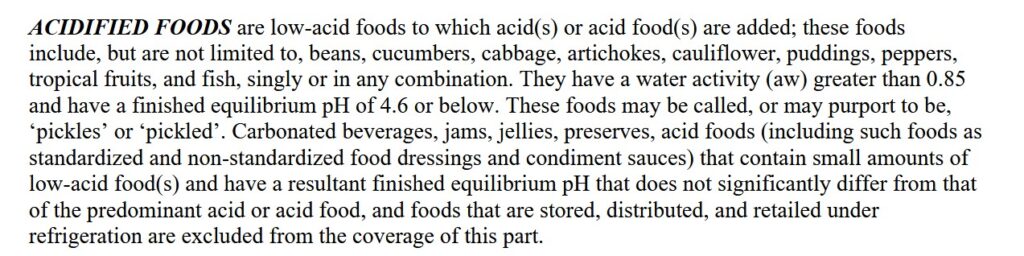
Manchester Health Department Deputy Director Phil Alexakos said that proposed new exceptions would include any soft drinks or lemonade stands run by children under 14 years old on their family’s property, bake sales as specified in the U.S. Food and Drug Administration’s new food code, non-perishable items, any items determined as “potentially hazardous” or “acidified” (see definition below) or any uncut fresh vegetables.

Ward 6 Alderman Crissy Kantor asked how these changes would align the city with the state’s homestead food production laws, which she prefers over the city’s more restrictive ordinance. Alexakos noted that these new proposed exceptions from the city’s ordinance would put the city closer to the state’s standard by removing restrictions from lower risk items such as cookies or pasta.
Kantor also felt that the age restriction with the soft drink and lemonade exception, a state law that has become to be known as the “lemonade stand law,” was limited to small children, with Alexakakos simply stating that it was the state’s law.
There was also discussion regarding botulism, one of the key reasons for the existence of these types of laws. Alexakos noted an outbreak of botulism within infant formula that has spread throughout 13 states, although Kantor felt this did not address the issue of botulism within homemade foods since the formula was made within a facility built for food production, not a residence.
Kantor also expressed concern over the ambiguity of someone who may be considered a member of the “general public,” citing a situation where the Manchester Health Department stepped in when a woman tried to give soup to the city’s homeless population.
Manchester’s current ordinance has no prohibition on making food items for personal consumption or making food items to be given away to people not in the general public such as neighbors, family members or other people the food producer may know personally.
The proposed exceptions were recommended by the committee, with Ward 11 Alderman and Committee Chair Norm Vincent stating that this discussion was just one step in the process.
The proposal next heads to the Manchester Board of Mayor and Aldermen’s Committee on Bills on Second Reading to determine whether it violates any other local, state or federal laws.