
O P I N I O N
UNBOTHERED & UNBOSSED
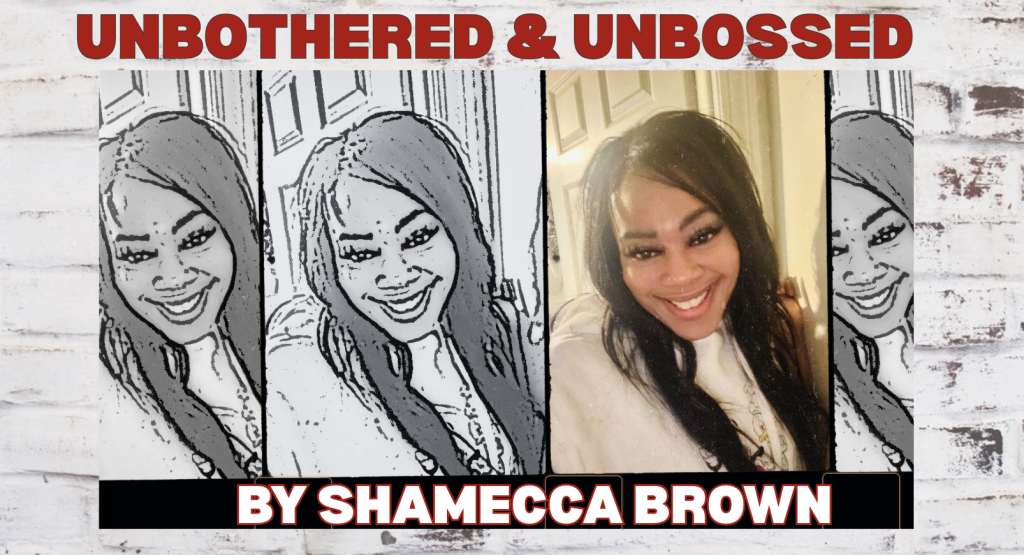
By Shamecca Brown
I’ve had jobs I absolutely disliked, not because of the work itself, but because of the environment, the leadership, and the way people communicated (or didn’t communicate at all). I’ve also sat in meetings where I could feel the tension in the room, where certain tones weren’t right, and where people acted like their title was enough to demand respect without actually earning it.
Here’s the thing: I know my facial expressions and body language say a lot. If I’m not feeling something, you’ll probably see it on my face, actually you see it. But I also know I’m not alone in that. A lot of people feel frustrated at work but don’t speak up because they’re afraid of how it will be received. And when issues don’t get talked about, they fester. That’s why I think intentional conversations and real feedback systems need to be built into workplace culture, not just as a once-a-year formality, but as an actual way of doing things.
That’s where Culture Amp comes in. It’s a tool designed to help businesses measure and improve workplace culture, leadership, and employee engagement. If more companies used something like this, and actually took the feedback seriously, we’d see fewer people feeling like they’re just showing up for a paycheck and more people actually enjoying where they work.
Let’s be real – some workplaces just don’t feel good. You can sense it the moment you walk in (been there before.) Employees are checked out, leadership is disconnected, and meetings feel more like a waste of time than a space for collaboration. I’ve been in meetings that felt like they were designed for the people running them, not for the people attending. They weren’t balanced, they weren’t brain-friendly, and they didn’t leave room for real discussion.
I feel like a lot of people aren’t good at giving feedback; either they sugarcoat everything or they go too hard and make people shut down. But feedback is necessary if you actually want to fix problems before they become bigger issues.
I did a zoom online class and I found that Culture Amp helps businesses collect honest, anonymous feedback so employees can share what’s really on their minds without worrying about backlash. But here’s the key, it only works if leaders actually listen and take action, funny, laughing inside, then you’ll know if this person should be even in leadership or NOT.
I actually use Culture Amp for myself because it helps me understand how to communicate better. I want to advocate for clarity, not just saying things, but making sure the person actually understands. Sometimes I have to give myself gut checks, a moment to step back and ask, ‘Did I say that the right way? Was I too harsh?’ Because I’m not here to make anyone feel unvalued or unheard.
I know when I receive negative feedback, my first instinct is to want to escape before I get upset. Everyone processes things differently. For me, I need a one-on-one conversation where I can actually engage in a safe way. Otherwise, I feel put on the spot, and that’s not productive.
I think titles don’t make leaders, how you treat people does. Too many managers rely on their position instead of building relationships with their teams. When things get uncomfortable, they avoid conversations instead of addressing them head-on.
I’ve seen situations where people hold onto things that were said instead of talking about them, and all that does is create tension. I’m not gonna lie, that would be me. We need to be intentional about communication.
And whispering at work? That’s one of the worst things that can happen in a workplace. I’ve seen it and been there too, and I know how toxic it can be. When people are whispering, it creates stress, tension, and confusion. It makes people wonder, What’s being said? Is it about me? Is there a problem I don’t know about? And that’s when trust starts to break down.
I always felt If there’s something that needs to be addressed, it should be said directly to the person in a respectful and open way. Whispering isn’t just unprofessional, it’s harmful. It creates a blurry, toxic environment where people don’t know what’s real and what’s just gossip. And when workplaces allow that kind of energy to take over, they’re not being proactive, they’re just letting problems grow.
That’s why I challenge myself, to be better, to listen more, and to communicate in a way that actually helps me and the people I work with grow, well at I hope so. And if more workplaces did the same, we’d all be in a much better place right?
Shamecca Brown is a columnist, advocate, and mother rooted in New York grit and New Hampshire growth. Her writing uplifts the unheard, challenges systems, and speaks truth from the inside out. She can be reached at shameccabny@gmail.com