MANCHESTER, N.H. – In a presentation during the Oct. 27 Manchester Board of School Committee meeting, School District Executive Director of Technology, Stephen Cross, and School District Executive Director of Technology and Data, Kelly Jobel, explained that Manchester’s public schools currently have more Chromebooks than students. However, now the question is what is the best way to maximize the educational value of those devices.
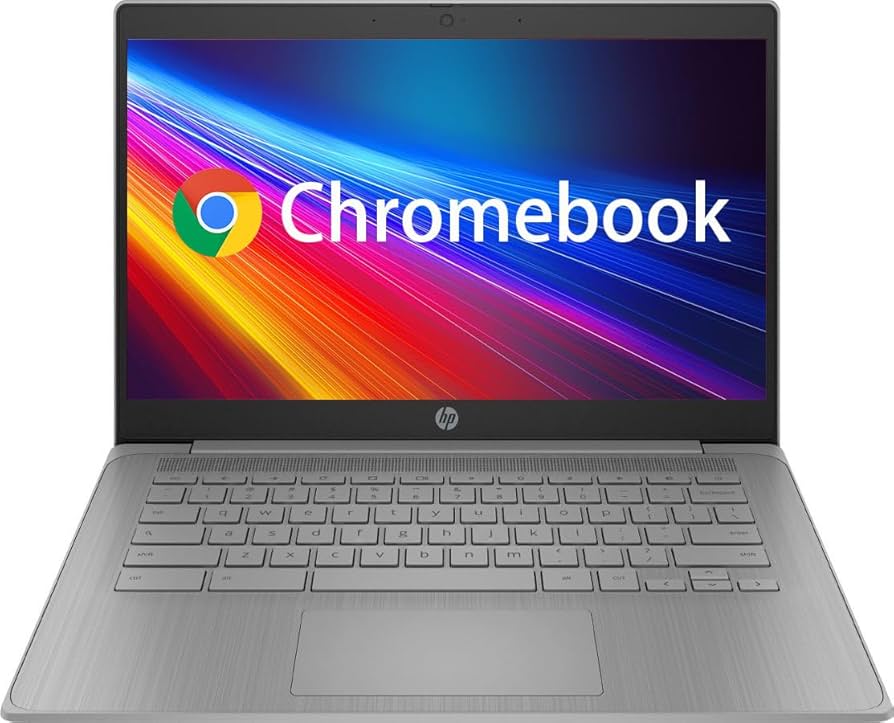
A Chromebook is a type of low-cost computer, usually a laptop, that runs an operating system made by Google that focuses on functionality rather than flair. Chromebooks have been a key component of the Manchester School District’s instructional resources for several years and the presentation revealed that there are currently 15,596 Chromebooks possessed by the district, not including those that are currently under repair. In contrast, the presentation indicated that there are 11,537 students in the district using Chromebooks among the 11,851 students enrolled overall. Additionally, there are Chromebooks used by educators not included in that figure and some students use iPads instead of Chromebooks.
Cross indicated that the district currently has a 92 percent success rate in fixing broken Chromebooks, with 1.5 full-time equivalency positions in the district’s technology department dedicated to nothing but Chromebook repair.
He added that most years the district replaces approximately 2,000 Chromebooks, but that level of replacement did not occur this year due to the district’s budgetary shortfall. Fortunately, he noted that some Chromebooks such as the G6 model will be usable for longer periods after Google announced delayed obsolescence dates.

Currently, Chromebooks are assigned to classrooms or portable carts within schools. However, School Superintendent Jennifer Chmiel indicated that an investigation looking at best practices within each school may change Chromebook deployment policies in the future. In response to a question from Ward 7 Board of School Committee Member Chris Potter, a pilot program may be implemented soon at a high school to assign specific Chromebooks for individual student use.
Cross also advocated for greater coordination between the district and its individual schools as tracking the devices became harder at the school level, sharing one instance where a stack of Chromebooks was found unopened within a closet.
At-Large school board member Peter Argeropoulos expressed hope that eventually each school can have its own technology professional to repair and manage devices such as Chromebooks, and Ward 9 school board member Bob Baines said he hoped that as the devices slowly replace textbooks, it would be possible to remove textbooks as a budget line item.
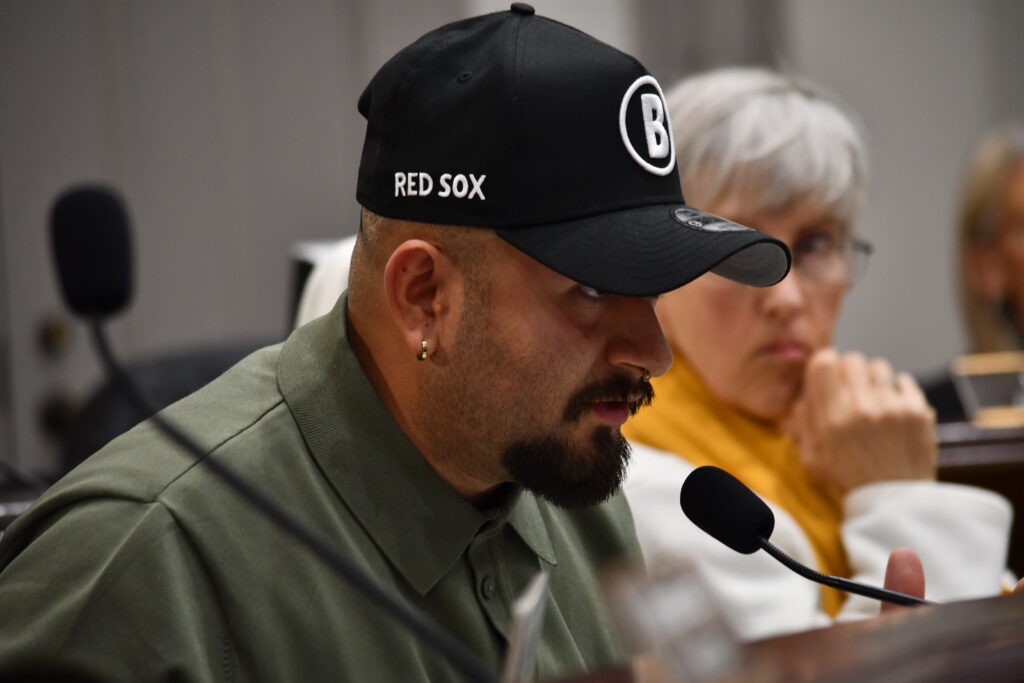
Ward 1 school board member Julie Turner said she appreciated the update, but voiced frustration that communication on this matter was coming out seven weeks after the school year began, following concerns from several constituents. She also urged staff members to maintain communication with students who are less vocal but having issues with their devices, fearing that they may become disengaged rather than advocate for repair of devices they might be using.
“If everyone says they’re all set, I fear we’re not all set, so please keep those lines of communication open,” said Turner.
Ward 5 board member Jason Bonilla supported the idea of providing a particular Chromebook to each student, noting that many families in his ward may not be able to afford such devices on their own, and they have become essential tools for learning.
However, he also urged district leaders to be clear upfront with any fees that families may incur to fix broken Chromebooks assigned to students prior to assigning the devices.
Jobel noted that while the “one-to-one” Chromebook approach is not yet district policy, many disadvantaged families have been given ECF (Emergency Connectivity Fund) devices to provide at-home internet access that otherwise might not have been available.