

MANCHESTER, N.H. – During their August 5th meeting, the Manchester Board of Mayor and Aldermen approved requests recommended by Manchester Mayor Jay Ruais regarding the future of the Beech Street Shelter as well as what may potentially come after it, in efforts to aid the city’s homeless population.
One part of the plan gives Ruais the authority to extend the current lease of the shelter as well as the contract with East Coast Evolution Leadership, the organization operating the shelter and engagement center inside the shelter, until Feb. 2026. Both agreements were set to expire on Aug. 31, which would have left the city scrambling to secure emergency warming shelter infrastructure before the winter months if the agreements were not extended.
However, Ruais noted that this authority comes with the expectation that the shelter’s operations will not be renewed after February and that a new, smaller 20-bed shelter with a higher barrier to entry for occupants would take its place. This location is expected to focus on medically-fragile and aged homeless individuals.
Although the location of this new shelter was not officially revealed due to ongoing negotiations, Alderman At-Large Dan O’Neil accidentally mentioned Elm Street in relation to the new location during the public portion of the meeting.
This new shelter is part of a 19-month plan proposed by Ruais, with the request that the plan be agreed upon in concept so specifics can be presented for potential approval at the board’s Sept. 2 meeting.
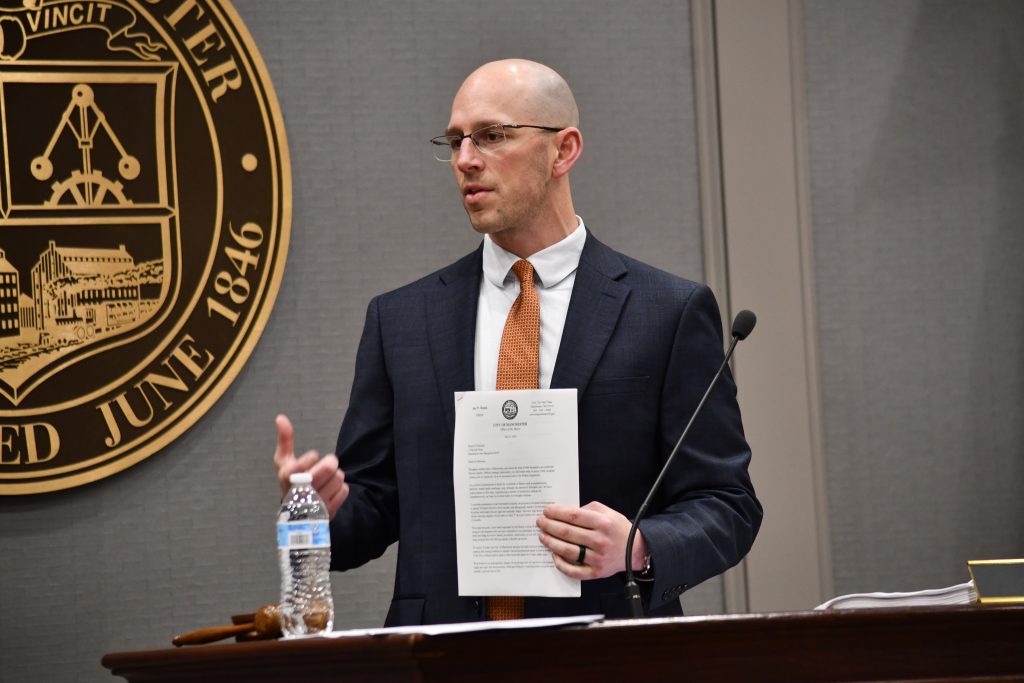
That 19-month plan concept was the second request and the third request would allocate $50,000 to allow the 1269 Café on Union Street to expand its transitional-living units from 12 to 24. These units have a higher barrier to entry than the Beech Street Shelter, requiring random drug testing, daily chores and rehab placement for those on drugs who relapse.
These units, along with the unnamed shelter and additional efforts between now and February are targeted to replace the 40 beds at the Beech Street Shelter.
The Beech Street Shelter was initially proposed two years ago as a temporary solution to help relieve stress on the Families in Transition Shelter on Merrimack Street while also providing an alternative for the numerous homeless individuals who had been living on the streets downtown. However, the $30,000 a month rent price and issues reported by neighbors had made several Aldermen increasingly uncomfortable with continuing to extend the lease.
The shelter is located in Ward 7 and that ward’s alderman, Ross Terrio, told Ruais that he could not support the proposal following numerous complaints he had received from residents regarding the behavior of many individuals within the shelter.
Terrio said that many occupants of the shelter urinated and defecated in nearby yards, including one home just 30 feet away from the shelter. Others were openly engaged in drug use or becoming hostile to nearby business owners if they would not provide free food or free phone charging. In one case, Terrio was told that a nearby resident found a dead body inside of a shed.
Ruais noted that the shelter had become a patrolling hot-spot for the Manchester Police Department in efforts to tamp down on unruly behavior and Ward 9 Alderman Jim Burkush said he had heard of an improved police presence recently from residents. Burkush also echoed Ruais’ statement that without the Beech Street Shelter extension vote, there would be a strong likelihood that the medically-fragile and elderly residents could die on the streets once cold temperatures set in, if not sooner.
Ward 8 Alderman Ed Sapienza advised any residents facing issues to call the Manchester Police Department’s non-emergency line at 603-668-8711.

Alderman At-Large Joseph Levasseur said he had sympathy for the medically-fragile and elderly occupants of the shelter, but felt that it would be more cost-effective to simply house those individuals in apartments and allow others to either find their own solutions or possibly be sent to Valley Street Jail for possible detox treatment once new bail reform laws come into effect in September.
Ruais said that efforts to find alternative living situations for those individuals was particularly slow given the lack of ADA-compliant homes in the area and that there is a lengthy waiting list for beds at nursing homes across the state as well as veterans.
Levasseur also expressed concern about voting on an item related to the proposed shelter since its location could not be officially released and he felt that neighboring properties had the right to know about the proposed shelter before a vote. However, City Solicitor Emily Rice indicated that the owners of the proposed shelter location were still in lease negotiations with the city, providing an exemption from public record laws. Additionally, Ruais stated that the Aug. 5 vote would only allow City Clerk Matt Normand to craft the language to officially confirm or deny the finalized lease for the new facility in September.
Ward 6 Alderman Crissy Kantor felt that the new shelter should not be located in Manchester and expressed concerns with the medically-fragile and elderly occupants being bullied. Ward 12 Alderwoman Kelly Thomas also expressed similar concerns, stating one incident at the shelter when one person had an allergic reaction to something that another occupant had recently smoked.
Ed Sapienza, Terrio, Levasseur and Kantor were the only members of the board voting in opposition on a roll call vote to extend the Beech Street agreements until February, but there was still frustration with other members of the board.
Ward 11 Alderman Norm Vincent said he has been skeptical of the Beech Street Shelter concept given complaints from neighbors and the exorbitant cost and would not have supported the mayor’s proposal if not for a replacement site and moving forward with a more comprehensive plan.
Ward 4 Alderwoman Christine Fajardo said she disliked the constant short-term approach and hoped for a longer-term solution, also noting that such a plan would only be effective once the city’s housing shortage is addressed, lowering housing costs for many forced into homelessness. She also noted the stress stated by many members of the city’s faith-based community during the public comment section of the meeting related to helping the city’s homeless population, with those faith leaders telling the Aldermen that they could not solve the problem on their own.
Ward 3 Alderman Pat Long asked for more data related to police activity near the Beech Street Shelter and also asked how long the enhanced patrols could last under current funding, with Manchester Police Department Chief Peter Marr stating the funding for enhanced enforcement is in place until December 2026 and additional grants may aid that effort, although police would be unable to be in the vicinity 24 hours a day.
UPDATE: On Aug. 6, Ruais published the following release regarding the matter.