
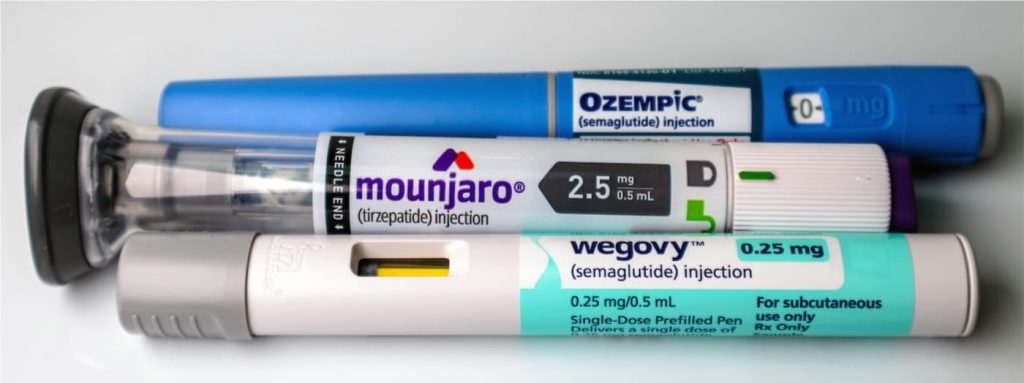
MANCHESTER, NH – Following outcry from numerous educators during the Manchester Board of School Committee meeting in early August, the August 25th Board of School Committee meeting provided details on why Manchester School District employees no longer have insurance coverage for GLP-1 medications.
GLP-1, short for glucagon-like peptide-1, is a type of medication based on the hormone of the same name that helps regulate blood sugar and appetite by stimulating insulin release and slowing stomach emptying. Originally designed as weight loss drugs due to their ability to decrease appetite, the drugs have become effective tools for individuals battling diabetes as well.
During the August 25 meeting, the board was given a presentation on the decision by Manchester School District Attorney Matt Upton and Tom DeLacey, principal consultant for Workplace Benefits Solutions.
According to DeLacey, the cost of GLP-1 rose tenfold from Fiscal Year 2023 to 2025 and rose five times between Fiscal Year 2024 and 2025. DeLacey added that several health insurance carriers had lost hundreds of millions of dollars due in large part to the drug cost spike and that several nearby local government entities had stopped covering GLP-1 medications for cost reasons as well.
DeLacey went on to share a recent study showed that if these drugs were covered by Medicare, the annual national cost would be approximately $65 billion while the net gain in improved health outcomes would be approximately $18 billion.
“It’s just so cost prohibitive, for the return you get, it doesn’t make a lot of sense,” he said.
If the district were to offer these drugs, DeLacey estimated that it would cost the district an additional $2 million and cost district employees $500,000 more on top of that, leading to an annual insurance premium increase of $540 per year for all district employees. Following a question from Ward 8 Board of School Committee Member Jess Spillers, it was revealed that only 168 of the district’s roughly 3,500 employees currently have GLP-1 prescriptions.
DeLacey and Upton told the board that employees were not told that they couldn’t obtain the drugs, only that they would no longer be covered under the district’s health insurance. Employees could still obtain reimbursement for costs of the pills through health savings accounts, direct sales from manufacturers or other alternatives. It was noted there would be reviews of the drugs’ costs in the future to see if they would become more affordable. Ward 2 Board of School Committee Member Sean Parr asked how often these reviews would occur, learning that the reviews would occur every six months. DeLacey said that new pill forms of some of the drugs may become available in 2026, although it was uncertain if this would make the drugs more or less expensive.
Members of the board expressed frustration that they were unable to do more to help the staff members that came forward earlier in the month and appreciated that those staff members brought the issue to their attention.
Ward 4 Board of School Committee Member Leslie Want felt like she had failed the teachers that had spoken out during that meeting and asked district administration to provide employees taking GLP-1 drugs with options available to them. Ward 7 Board of School Committee Member Chris Potter also asked if additional options could be investigated.
Ward 5 Board of School Committee Member Jason Bonilla noted that the health and happiness of staff members is crucial to the district’s success, but this decision was a side effect of the school district’s current budgetary shortfall.
Board of School Committee Vice Chair Jim O’Connell echoed Bonilla’s comments regarding the district’s budget situation, noting that members of the board have also eliminated their own health insurance in recent years and built on Want’s comments noting that further deliberations falling under exceptions to public meeting law took place during non-public session.
“This was not a decision that was lightly made, it is incredibly difficult to make a cut like this,” said O’Connell. “But when we’re in a situation where the district does not necessarily have the budget that it needs and was requested, we have to make these kinds of decisions.”