
CONCORD, NH – The New Hampshire Department of Health and Human Services Division of Public Health Services has released the 2014 Healthcare-Associated Infections Hospital Report and the 2014 Healthcare-Associated Infections Ambulatory Surgery Center Report based on data from the 35 hospitals and 27 ASC licensed in the State during 2014.
The reports, as mandated by law, report data on the occurrence of specific Healthcare-Associated Infections.
For hospitals, central line-associated bloodstream infections, catheter-associated urinary tract infections, and surgical site infections following certain heart, colon, abdominal hysterectomy, and knee surgical procedures are reported. For ASC, surgical site infections following certain breast, hernia, and open reduction of fracture surgical procedures are reported.
The reports also provide data on hospital and ASC compliance with measures that help protect patients from healthcare-associated infections. These data include adherence to infection prevention practices during central line insertions in hospitals, the appropriate use of antimicrobials during surgical procedures in ASC, and influenza vaccination coverage among hospital and ASC healthcare personnel.
“Since we now have multiple years of data on HAI, trends are beginning to emerge that validate and enhance efforts to decrease the occurrence of these infections,” said Dr. Benjamin Chan, State Epidemiologist at DHHS. “Overall, our hospitals are doing better than the national average and our ambulatory surgical centers are on par with the rest of the country. While this is reassuring, our goal is to continually improve and these reports will help with that.”
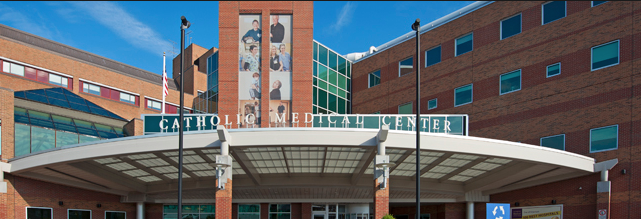
Overview: Manchester Hospitals fared as well or better than predicted
Overall, there were fewer observed infections than predicted in New Hampshire hospitals compared with national data. A total of 219 HAI were reported by hospitals in 2014, compared with 183 in 2013, 198 in 2012, 110 in 2011, 114 in 2010, and 134 in 2009. There was a statistically significant increase for overall HAI between the first year of data presented in this report, 2010, and the most recent reporting period, 2014.
However, this pattern was not seen between each individual year from 2010
to 2014. Many factors may have contributed to this pattern, including the addition of new and expanded reporting requirements in 2012. The overall observed number of HAI in hospitals in New Hampshire was 15 percent lower than predicted based on national data; there were also 39 percent fewer central line-associated bloodstream infections and 22 percent fewer surgical site infections than predicted. There were 26 percent more catheter-associated urinary tract infections than predicted, but this difference is not statistically significant and the number of infections observed is considered statistically similar to national data.
Statewide hospital adherence to four infection prevention practices during central line insertions was 98.3 percent a slight but insignificant decrease from 2013 (98.4 percent). The overall healthcare personnel influenza vaccination coverage in hospitals was 93.5 percent, which has been significantly improving since 2008 and exceeds the Healthy People 2020 goal of 90 percent.
Ambulatory Surgery Centers:
Overall, statewide infection rates in ASC are similar in comparison to national data. A total of four surgical site infections were reported by ASC for 2014, compared with six in 2013 and four in 2012. The overall observed number of surgical site infections in New Hampshire ASC was 64 percent fewer than predicted based on national data; however, this difference is not significant and is considered statistically similar to national data.
Statewide, ASC adherence to intravenous antibiotic prophylaxis timing guidelines to prevent surgical site infection was 98.4 percent (similar to 2013), and the overall healthcare personnel influenza vaccination rate was 85.7 percent (a slight but insignificant decrease from last year, during which the rate was 88.7 percent).
The collection of the data is intended to be a tool for hospitals and ASC to track their progress and identify areas that require special attention, for DHHS to see where improvements can be made, and to help inform consumers.
For questions about the report, data presented, or to learn more about the
Healthcare-Associated Infections (HAI) Program please call 603-271-4496 or
email haiprogram@dhhs.state.nh.us.
Healthcare Associated Infections Report 2014 Hospital