
O P I N I O N
THE SOAPBOX

Stand up. Speak up. It’s your turn.
You have probably heard a lot about the tax cap in the last few weeks, and you will likely hear even more about it in the coming weeks. As the city works through its budget, the tax cap shapes what can grow, what gets cut and what gets pushed off another year. So it is worth asking what it actually is and what it actually does. Maybe a tax cap sounds like a good idea. Even the name implies its purpose is simple: to keep taxes from growing. It says the city’s budget should not grow faster than inflation. It sounds responsible. But if you want to understand what it really does, you do not need to read the policy. Just look around.
When people see the condition of the roads, sidewalks and schools, a natural question follows: If the city is growing, why does it feel like we are falling behind? With all the new apartment buildings going up, it is reasonable to assume the city is bringing in more tax revenue. More buildings. More people. More taxpayers. That sounds right. But under the current system, that is not how it works in practice. At its simplest, the tax cap does two things. It limits how much the city can spend, and it limits how much the city can collect in property taxes. Both are tied to inflation. That means even if the city’s costs rise faster, it cannot simply collect more to keep up. That second part, the limit on what the city is allowed to collect, is what most people miss. It is called the revenue cap, and it drives everything that follows.
The cost of running a city does not move at the same rate as everyday household expenses. When prices rise 3 percent, the cost of a fire truck, road work or employee health care does not neatly follow. Those costs often rise faster. But the revenue cap still limits how much the city can collect. Think about it at home. If your household grew or your costs rose faster than inflation, you would either come home with less or make cuts somewhere else. The rule does not change what you need. It only limits what you are allowed to spend. The revenue cap works the same way for the city. Over time, the math is simple. Costs go up faster. Revenue is held down. That gap does not disappear. It shows up in the city around you.
Today, you can see it everywhere. Massive potholes from years of patching instead of proper maintenance. Sidewalks crumbling. Brick walkways paved over because it is cheaper than restoring them. Trees planted but not maintained. Traffic lights using outdated systems that slow everything down. City departments struggling to hire and retain people. And then there are the schools. There is always debate about funding, but take a step back. Just look at them. Roofs that leak. Boilers and HVAC systems that are decades old. Classrooms that are too hot in September and too cold in January. Buildings that are being maintained, but not meaningfully improved. In some cases, teachers are stepping in to provide basic classroom supplies for their students, even as those same teachers face potential layoffs that could reverse recent progress. This is the reality we are living in right now in Manchester.
The city is not ignoring these problems. It is operating within a constraint. Each year the same decisions get made: patch instead of rebuild, delay instead of replace, stretch things a little longer. Those decisions make sense in the moment, but over time they add up. When you delay maintenance, small fixes become big projects. Routine work becomes emergency work. Costs go up, not down. A road that could have been maintained becomes one that needs full reconstruction. We are not avoiding the cost. We are just paying it later, and paying more.
This is not about tax and spend. This is about basic reinvestment. Whether you own a home, rent an apartment, drive a car or run a business, you see it. When things are not maintained, costs go up and quality goes down. Cities work the same way. At some point, we have to make a different choice. The tax cap is not absolute. The city can override it when there is a clear need, and that option exists for a reason. This may be the year to say no to the status quo and begin addressing years of deferred maintenance and underinvestment. I do not say that lightly. It should not be a blank check. It should be done thoughtfully and over time. I understand what that means, more money out of already stretched household budgets. But continuing on the current path is not cost free. We are already paying for it, just in a different way.
We deserve better. We deserve a city that is maintained, functional and built to last. Many of the same voices raising concerns today have been part of these decisions for years. That history matters. At this point, the choice is simple: Do we keep doing the same thing, or do we finally start fixing it?
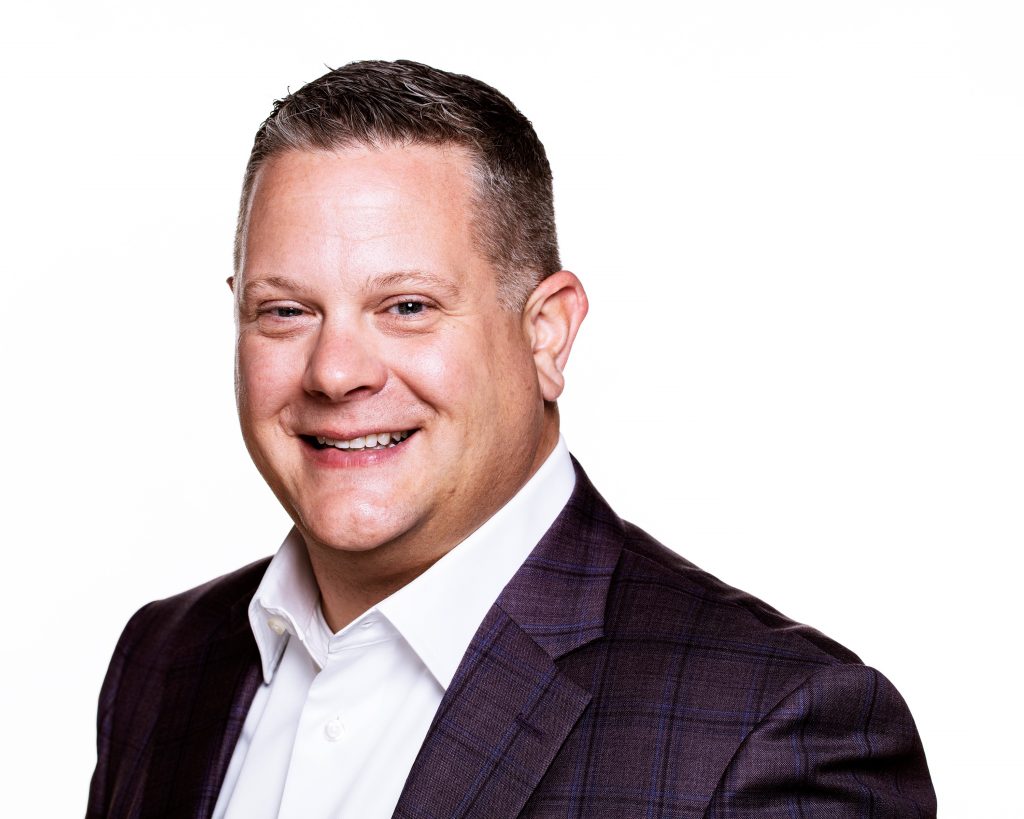
Peter Richard is a civic and business leader, an Executive MBA student at Georgetown University, and a recipient of statewide recognition for business excellence and public service. A Ward 3 resident, he has held senior roles in New Hampshire’s manufacturing and nonprofit sectors, is a founding member of the Downtown Manchester Neighbors’ Network, and is a graduate of Leadership Greater Manchester and Leadership New Hampshire.
Beg to differ? Agree to disagree? Comment below using our DISQUS app. Got issues of your own? You an DIY your submission to The Soapbox here.