
O P I N I O N
THE SOAPBOX
Stand up. Speak up. It’s your turn.
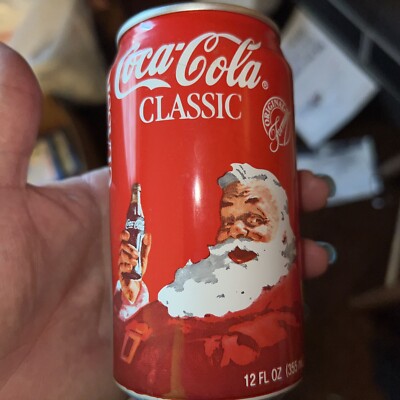
How often have you seen the image of a ruddy faced St. Nick holding a plastic bottle of Coca-Cola to honor the holiday season? Manchester’s very own Santa will soon arrive by helicopter at the Aviation Museum. According to its director, Santa prefers to travel by copter so his reindeer can rest up for their big night.
Santa’s plastic bottle is produced by the burning of fossil fuels which increases Green House Gas (GHG) emissions, leading to global warming in regions as distant as the Elf’s own home, the North Pole. When plastic particles break down into smaller ones called microplastics, they can be transported as far as the remote Arctic, via atmospheric winds and ocean currents. Microplastics are found in the North Pole’s ice cores (as sea ice freezes, it traps floating particles), snow (as it melts, microplastics are released into the atmosphere) and seawater.
Plastic pollution begins with production. Our Manchester Coca-Cola Company is fueled by good intentions, its corporate purpose ‘to refresh the world’. It helps mitigate the impacts of climate change by ‘using 35% to 40% recycled material in our primary packaging, including increasing recycled plastic use to 30% or 35% globally, as well as collecting 70% to 75% of the number of bottles and cans introduced into the market annually’. Yet, harnessing 100,000 to 150,000 gallons of water daily from the industry’s primary source, the Merrimack River, for the purpose of beverage production, would seemingly put the river at risk.
According to Judith Enck, founder of Beyond Plastics, industry should focus instead on ‘reducing the plastic trail of consumerism’, especially of single use plastics. Less than 6% of plastic waste nationwide is ever recycled. Enck warns that the federal government is currently expanding support for fossil fuel production, estimated to double by 2040. She states her position.
When you place your old plastic shopping bags in the drop off bins at grocery stores, that packaging often ends up in a landfill. And the triangular ‘chasing arrows’ symbol routinely appears on non-recyclable plastic products. Plastic isn’t designed to be recycled. Roughly, 16,000 chemicals can be found in plastic, many intentionally added during the production process to give plastic characteristics like flexibility, strength, color and resistance to sunlight. Since different plastic products contain different chemical combinations these varied types must be sorted and recycled separately.
Furthermore, plastic, unlike glass and aluminum, loses its functionality when recycled. A glass bottle or aluminum can may be recycled into another bottle or can over and over again.By contrast, a plastic bottle can only be recycled two or three times before it is down cycled into carpeting or clothing which ultimately ends up in a landfill or incinerator, polluting our air, soil and water. In this way, recycling doesn’t prevent plastic waste from ending up in the environment; it just delays it.
In short, Santa is left ‘holding the (plastic) bottle’ wondering what to do. Replace his reindeer herd with a fleet of kayaks? Exchange his coke for a hot toddy? Clearly, the best way to address the plastic pollution crisis is to shift to reusables like paper, cardboard, glass, aluminum and metal. Fortunately, Santa has found a solution in a namesake company ‘that has crafted seltzers in the heart of New England for over 140 years’, called Polar beverages. Let’s make a toast to Polar drinks in glass and aluminum and may our cups ‘runneth over’!
Ann Podlipny lives in Chester and is a member of NH Network, Plastics Working Group
Beg to differ? Agree to disagree? Comment below using our DISQUS app. Got issues of your own? Submit it for consideration using our DIY form here.