
O P I N I O N
THE SOAPBOX

Stand up. Speak up. It’s your turn.
Lately, I’ve been struggling.
That’s not easy for me to admit.
As someone who has spent years working in mental health, recovery, housing, and community services, I know the statistics. I know the programs. I know the policy solutions. I’ve sat with people through some of the darkest moments of their lives. I’ve helped connect people to resources, encouraged them to keep going, and reminded them that they matter.
But lately, I’ve been the one struggling to believe those things myself.
What I’ve been reminded of is that mental health does not care whether you are a professional, a leader, a candidate, or the person everyone else turns to for support. Depression, anxiety, grief, loneliness, and burnout do not check your resume before they show up at your door.
And that is exactly why we need to talk about it.
Right now, too many people across New Hampshire are carrying burdens that feel impossible to put down. They are worried about paying rent, affording groceries, finding childcare, caring for aging parents, navigating a health crisis, or simply making it through another day.
Like me.
The hardest part is that many of us have become experts at hiding it. We show up to work. We smile. We attend meetings. We answer the phone. We keep moving forward because people depend on us. From the outside, it looks like we have it all together.
Inside, we are barely holding on.
When we finally find the courage to say, “I’m not okay,” too often the response is silence, a waiting list, a lack of resources, or our pain being minimized because we seem successful, capable, or strong.
The truth is that some of the people who appear the strongest are fighting battles nobody can see.
Mental health is not separate from housing, wages, healthcare, transportation, or community. They are deeply connected. The stress of an unaffordable apartment, an unexpected medical bill, a missed paycheck, or a lack of support does not stay in one corner of our lives. It follows us home. It keeps us awake at night. It shapes our relationships, our health, and our sense of hope.
That is why mental health is not a luxury issue. It is a community issue. It is an economic issue. It is a human issue.
We need leaders who understand that investing in prevention, crisis services, peer support, housing stability, and accessible care is not optional. We need to stop waiting until someone reaches a breaking point before we decide their pain is worth addressing.
Most importantly, we need to stop treating mental health as something that only matters after a tragedy.
This letter is my attempt to avoid one.
I have heard the words “you’re not alone” more times than I can count. They are well-intentioned. But if I am being honest, there have been moments when hearing those words made me feel even more alone. Because knowing others struggle does not automatically make the weight any lighter.
What does help is when people show up. When they check in again. When they listen without trying to fix everything. When they create communities where people can be honest about how they are doing without fear of judgment.
I have always believed that strong communities take care of one another.
That is the New Hampshire I want to help build: a place where people do not have to choose between paying a bill and getting help; where asking for support is seen as an act of courage, not weakness; where help is available before a crisis; and where no one has to suffer in silence because they are afraid nobody will understand.
I am sharing this because I know I am not the only one carrying a heavy burden.
And if this resonates with you, I hope it reminds you of something I am still trying to remember myself:
Your struggle does not make you weak.
Your pain does not make you a burden.
And your life matters more than you know.
Lately, I’ve been struggling.
That’s not easy for me to say.
As a nonprofit leader and candidate for the New Hampshire House of Representatives, I’ve spent years working in mental health, housing, recovery, and community services. I know the systems, the statistics, and the solutions we talk about when things feel manageable.
But lived experience has a way of cutting through all of that. Mental health doesn’t care about your title, your responsibilities, or how many people depend on you. It can affect anyone.
Right now, too many people in New Hampshire are carrying more than they can hold—stress about rent, groceries, childcare, aging parents, and simply getting through the day. Many are doing it quietly, while still showing up for work, family, and community. From the outside, they look fine. Inside, they are not.
And when people finally reach out for help, too often they find waiting lists, limited resources, or their pain minimized because they “seem okay.”
Mental health is not separate from housing, wages, healthcare, transportation, or community. These pressures compound each other until something breaks.
That is why mental health is not a luxury issue. It is a community issue and an economic issue.
We need to invest in prevention, crisis services, peer support, housing stability, and accessible care before people reach a breaking point. And we need to stop treating mental health as something that only matters after tragedy.
This letter is my attempt to avoid a tragedy.
I have heard “you’re not alone” more times than I can count. But there are moments when those words do not land—when what people really need is consistent care, real resources, and someone who shows up again after the first conversation.
Strong communities take care of one another.
That is the New Hampshire I believe in: one where people do not have to choose between paying a bill and getting help, where asking for support is not treated as weakness, and where no one is left to struggle in silence.
I am sharing this because I know I am not the only one.
And because I believe we can do better.
If you believe in building a more compassionate and connected New Hampshire, I ask for your support and your vote. Together, we can build a state where people do not just survive—but have the chance to heal and thrive.
They have the opportunity to heal, to belong, and to thrive.
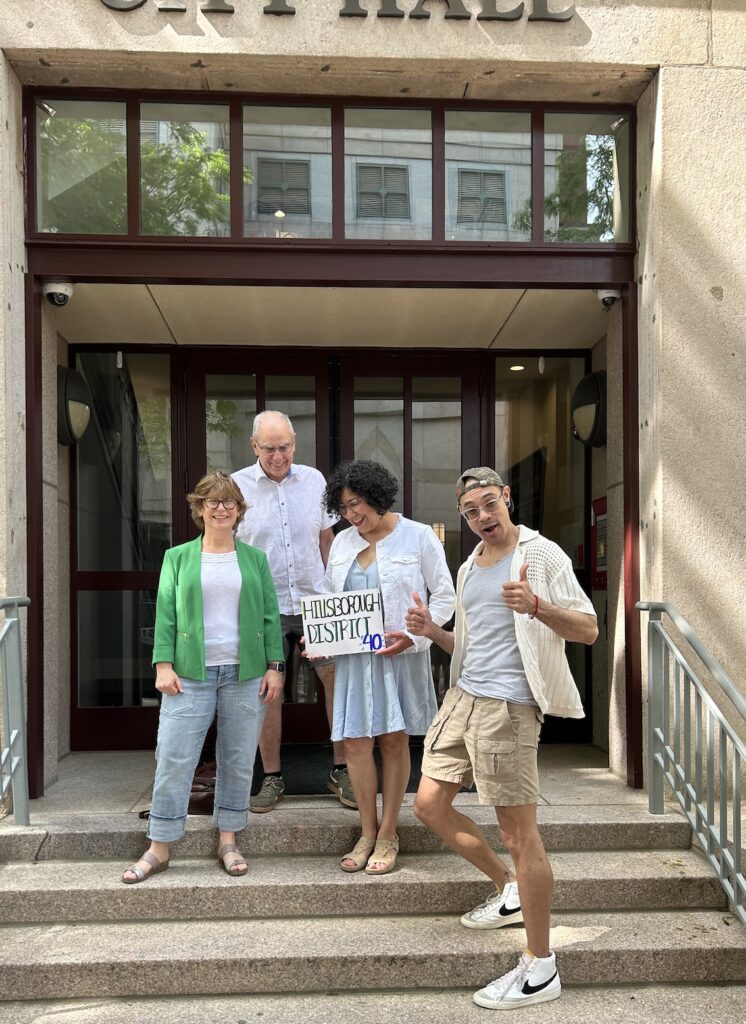
Rob Richard-Snipes is a nonprofit leader, community advocate, and candidate for the New Hampshire House of Representatives in Hillsborough District 40. This op-ed reflects his personal experiences with mental health and his commitment to creating a more compassionate and supportive New Hampshire.
Beg to differ? Agree to disagree? Comment below using our DISQUS app. Got issues of your own? Use our DIY feature to upload your submission.