
MANCHESTER, NH – As major changes to the USDA Supplemental Nutrition Assistance Program go into effect next year, local pantries and charitable organizations are stepping up to feed Granite Staters—especially as holidays and the winter season increase demand.
“I happened to sit on a call with the Mayor of Concord, and had a call with all of the local food providers in the area, and almost all of them said that they had seen at least a 25 percent increase, some of them 50 percent, and some of them more in the last year,” said Laura Milliken, executive director of New Hampshire Hunger Solutions.
Effective October 1, New Hampshire has seen major changes to SNAP after passage of the “Big Beautiful Bill,” which announced cuts to food assistance programs, including a temporary roll back of benefits in November.

The new rules will take away SNAP for all immigrant families that lack permanent status in the U.S., will implement harsh work rules for people to qualify for benefits and shrink benefits overall—including deductions for people with disabilities. Almost 45 percent of households on SNAP have someone with a disability, as per data from NH Hunger Solutions.
The new changes will also cut about 15 percent per person per month nationally by 2034. In New Hampshire, this change is estimated to affect 48,000 SNAP households.
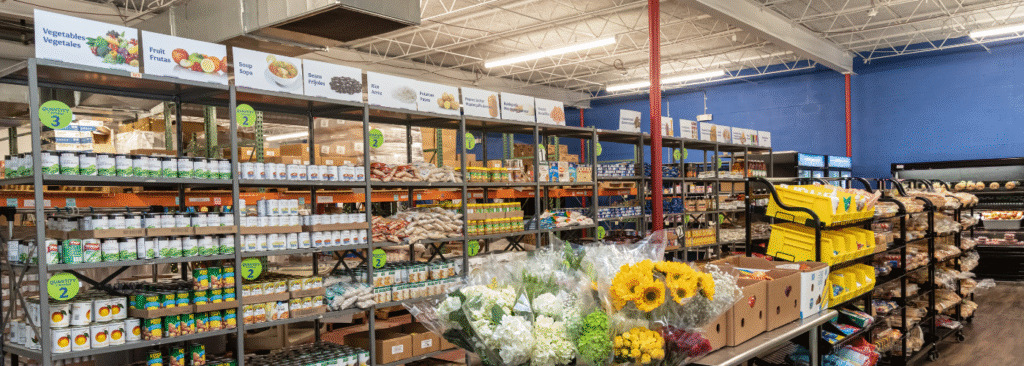
One area pantry that is trying to fulfill these gaps is run by Families in Transition in Manchester. The organization provides housing support to low-income families in need, and runs the pantry on Lake Avenue from Monday through Fridays.
Almost 1,300 households visit the pantry monthly, with nearly 70 new shoppers getting added each month, and 254 added just in November alone.
“I think we are all worried about potential changes to SNAP,” said Lauren Bombardier, who is the vice president of community relations at Families in Transition. “We just want to make sure that everyone has basic needs to survive and to live.”
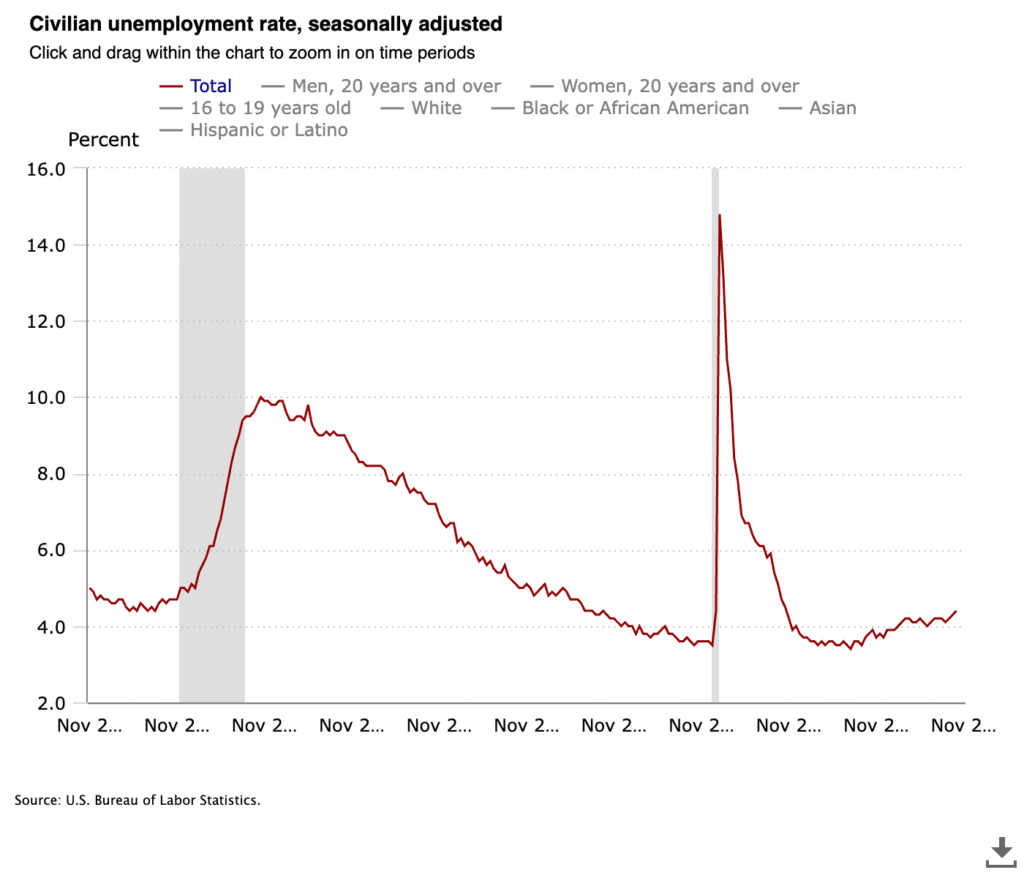
Bombardier says that while her organization cannot attribute the spike in requests to just SNAP changes, it’s a combination of rising cost of living and increasing rates of unemployment—which reached a four-year high at 4.6 percent in November, according to the U.S. Bureau of Labor Statistics.
“This should be the moment that we should be expanding the programs to help the folks who are having difficulty, instead of cutting people off the program,” Milliken said, explaining the rising crisis of hunger in the state and nationwide.
Families in Transition does not require for people to be on SNAP to get access to the pantry, and those in need could just walk in with an identification and proof of residence in Manchester, Bombardier said.
“ [The pantry] will try to support you with what you need, fruits that you can eat, something you don’t need to store,” Bombardier said, explaining that one does not need to show proof of income to avail access to the pantry. “Like a can of tuna that opens on its own, a deli sandwich that we have from fresh rescue pickups.”
Especially during the end of year holidays, pantries in New Hampshire hold heightened importance for low-income families and individuals, which has led to the overall spike in demand that pantries have seen since late-November, Bombardier said.
“We always see an increase around holidays,” Bombardier said. “Especially around this time of year, we get more calls about food baskets. And the community has been really wonderful to donate to us, although donations are generally going down at the pantry.”
While hunger relief organizations such as NH Hunger Solutions, appreciate the role pantries are playing at this critical time, their standalone efforts won’t be able to fill in the gaps easily.
“For every one meal a food bank can provide, SNAP can provide nine,” Milliken said, quoting statistics from Feeding America, a nationwide organization that aims to end hunger. “Food banks simply cannot feed people at the scale that SNAP can.”
With donations increasingly going down, Milliken and Bombardier both recommend people to donate their time as volunteers in the community—although restoration and reform of food assistance programming and budgeting is what is most important.
“There aren’t people who don’t deserve it who are receiving SNAP,” Milliken said. “In fact, in New Hampshire, we have an under participation rate. People who are eligible don’t always apply.”