
O P I N I O N
THE SOAPBOX

Stand up. Speak up. It’s your start.
Tuesday night, the Board of Mayor and Aldermen voted to override the tax cap. That is not a small decision, and it should not be treated like one, especially by those who voted for it.
Most members of the board approached the budget the way the work demands: reviewing the numbers, weighing tradeoffs and engaging directly with department heads to understand what was being proposed. That includes members who opposed the override. Several of them did the work, brought forward an alternative and engaged with the departments their proposal would affect. That is what good-faith opposition looks like.
The same cannot be said of everyone. A few of the loudest voices offered criticism without an alternative and without ever sitting down with the departments whose budgets they wanted to cut. If you are going to argue for significant reductions, you owe it to the city to understand what those cuts mean in practice. That starts with talking to the people responsible for delivering those services.
The tone of the debate deserves a word. Public meetings should be a place for sharp disagreement. They should not be a place where department heads are treated as political targets. We saw examples of that Tuesday night, and it is not acceptable. The conversation has also spilled online in uglier forms, including AI-generated images targeting members of the board. That kind of behavior discourages good people from stepping into public service, and Manchester cannot afford that.
A reminder: this board is nonpartisan by design. Aldermen work for Manchester, not a party, yet too much of the commentary has turned into Democrats versus Republicans. Potholes do not have a party. Neither does a balanced budget. Manchester residents are tired of the blame game.
It is also worth being honest about how we got here. Our roads and sidewalks did not start deteriorating this year. These problems built up over many budget cycles and many administrations, and pretending the current one invented them is not analysis. It is politics. Layer on top of that a state government that has increasingly shifted costs down to cities and towns. What gets framed as tax relief in Concord has become a budget hole in Manchester and nearly every municipality in New Hampshire this year.
The override passed. What matters now is what happens next.
As I said in my last op-ed, this cannot be treated as a blank check. Residents are being asked to contribute more, and that should come with clear, public expectations: better road conditions, consistent maintenance, more police on the street and measurable progress on infrastructure that has been neglected for too long. Not promises. A plan with benchmarks people can check over time.
In practice, it starts with specificity. Tell residents which streets will be paved this season, which sidewalks will be repaired and which long-deferred projects are finally moving, with timelines attached. Then report on it: a standing quarterly update in public session on what was promised against what was delivered. Not a press release when things go well, but a regular accounting of whether they do or not. If a project slips, say so and say why. Residents can handle delays. What erodes trust is silence.
None of this is novel. It is the standard in any well-run organization: a plan, a budget and regular reporting against both, with leadership accountable for the variance. No company asks its shareholders for more capital without showing what it will produce. City government should hold itself to the same standard, because the money belongs to the people it serves.
It also means discipline on the spending side. An override should be an exception, not a habit. The surest way to prove this year’s decision was responsible is for next year’s budget to show restraint, with the same scrutiny that was asked of taxpayers’ patience. If contributing more this year becomes the new baseline, the public will be right to conclude the cap was not overridden, but abandoned.
To those who voted for the override: you made a hard call. But the vote was the easy part. The justification comes in the delivery, and you should expect to be measured on it, fairly but firmly.
To those who opposed it: your skepticism is a necessary part of this process, and several of you have shown what fair, substantive opposition looks like. Keep doing that work. Hold the administration to the standards it has set for itself.
The decision has been made. In April, I wrote that Manchester’s roads, sidewalks and schools were telling us something about the tax cap. Now we have acted on it. Manchester residents will be watching the results, not the rhetoric. The work of justifying Tuesday night starts now.
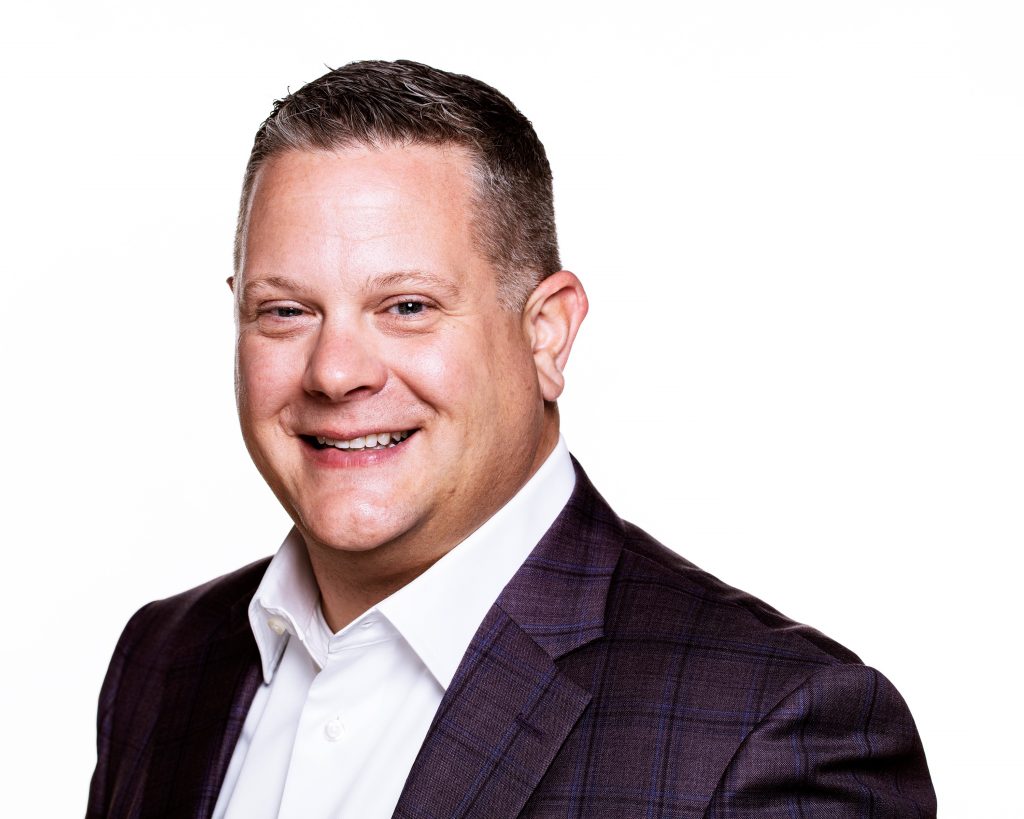
Peter Richard is a civic and business leader, an Executive MBA student at Georgetown University, and a recipient of statewide recognition for business excellence and public service. A Ward 3 resident, he has held senior roles in New Hampshire’s manufacturing and nonprofit sectors, is a founding member of the Downtown Manchester Neighbors’ Network, and is a graduate of Leadership Greater Manchester and Leadership New Hampshire.