
MANCHESTER, NH – A Superior Court judge this week ruled in favor of a New Hampshire-based hotel group in its lawsuit against eight insurance companies concerning payment of tens of millions of dollars in financial losses because of the COVID-19 pandemic.
The 24-page decision, issued Monday by Judge John Kissinger presiding in Merrimack County Superior Court, granted summary judgment to Schleicher & Stebbins (S&S) Hotels, a Portsmouth hotel management company, with 23 hotels, including four in New Hampshire.
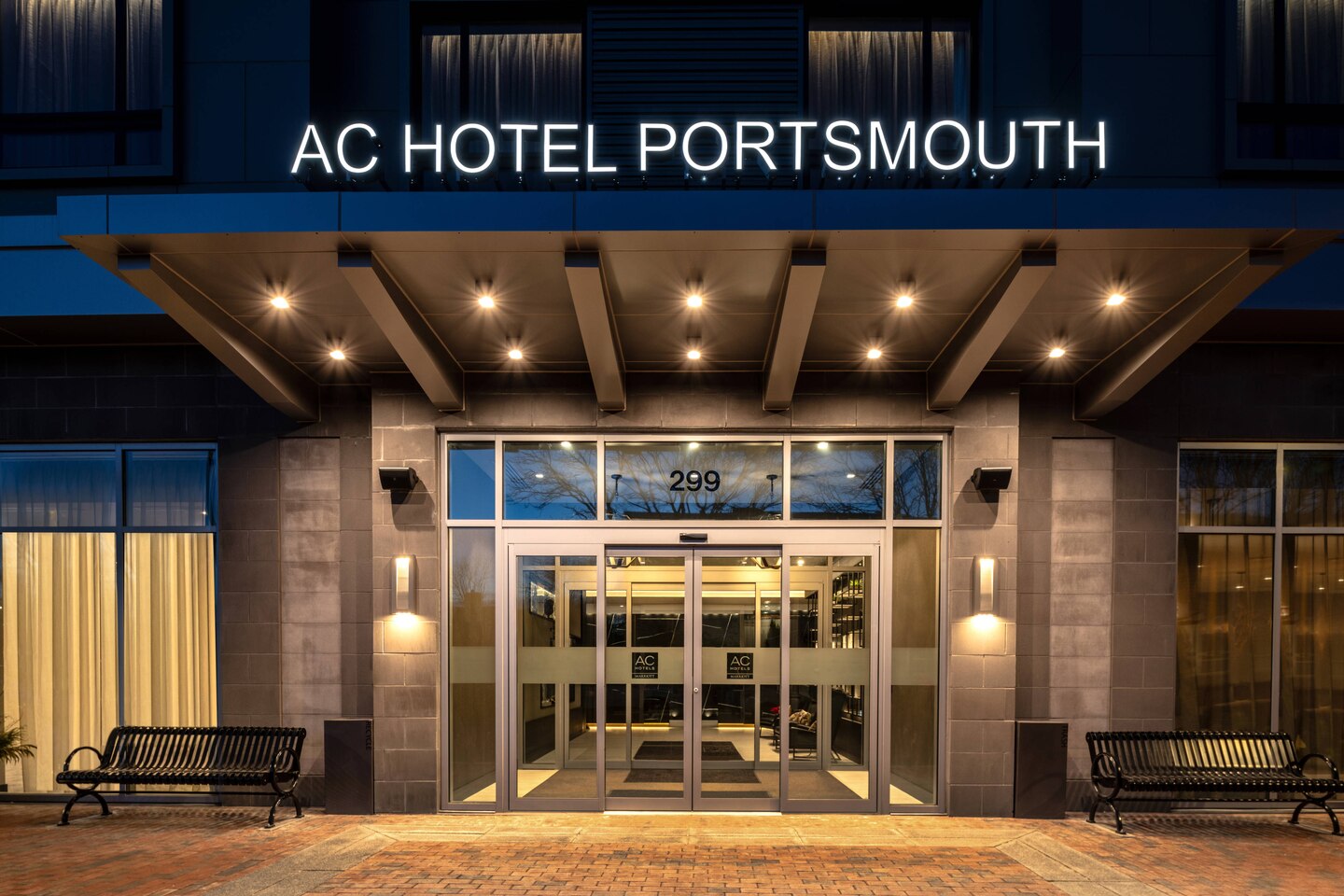
S&S, which filed the lawsuit a year ago, operates Residence Inn, Hampton Inn and AC Hotel Portsmouth, all in Portsmouth, and the Hilton Garden Inn in Lebanon. The other hotels are in Massachusetts and New Jersey.
The judge rejected the insurance companies’ argument that the virus and the government’s mandated business shutdown were not “physical damage” as required in the policies. The insurers maintained losses from a virus are not covered because there is no physical damage, such as a fire or flood, according to the lawsuit.
Attorney Michael S. Lewis of Rath Young Pignatelli in Concord, serving as local attorney for S&S, said the lawsuit will now proceed to trial which has yet to be scheduled. Marshall Gilinsky, a New York Lawyer, is the lead attorney.
“It’s gratifying to see New Hampshire courts operating in a healthy way and applying the law to controversies like this,” said Lewis, who is also an adjunct professor of law at the University of New Hampshire and the Vermont Law School. “The judge got it right and we’re looking forward to going forward with the case.”
The hotels paid about $1 million for insurance policies, which included business interruption coverage of up to $150 million, and said by November 2020 they had lost about $80 million because of the pandemic.
Lewis said the decision is an important one in a state that relies heavily on tourism and, when a business has to go to court to vindicate its interests, “it’s good to see the courts applying the law correctly.”
The insurance companies argued, in part, that they didn’t have to pay out anything because of the policies’ “microorganism exclusion” which doesn’t cover damages related to mold, mildew or other microoganisms.
The judge thought otherwise.
“The Microorganism Exclusion is not applicable to SARS-CoV-2 because a virus is not unambiguously understood to be a microorganism,’” Kissinger wrote. “On the contrary, the parties’ briefing on the issue reveals a divergence of opinion that ‘reasonably may be interpreted more than one way.’”
Kissinger did rule in favor of AXIS Surplus Insurance Co., which used the word “virus” in the policy it issued.
In ruling against the other seven insurance companies, he cited the 2015 New Hampshire Supreme Court decision in Mellin v. Northern Security Insurance Company. In that case, the Supreme Court agreed with the owners of an Epping condo who sued to collect on their insurance policy because, they argued, cat urine odor from another unit made theirs uninhabitable.
“That SARS-CoV-2 may, like cat urine, be removed from surfaces through cleaning and disinfection, and that certain guests might decide to stay at the Plaintiffs’ hotels despite the risks involved, does not prevent a conclusion that the properties have been changed in a ‘distinct and demonstrable’ fashion,” Kissinger wrote.
Lewis said the judge also addressed the insurance companies’ wanting to exclude from trial documents issued by the Centers for Disease Control and the World Health Organization concerning COVID-19.
“The insurance companies moved to strike information that was disseminated by public health organizations about the nature of COVID-19,” Lewis said. “They moved to take that out of the record and they lost.”
The judge’s decision, he said, was important because it was a “reaffirmation of facts and reality.”
The court itself, Lewis said, has been relying on and publicizing CDC statements about COVID 19 with respect to its own opening and closing policies in New Hampshire.
For a judge to rule in the insurance companies’ favor on that issue “would not be in keeping with the court’s own views on the authoritativeness of entities like the CDC and WHO,” Lewis said.