

The evidence was compelling going into it.
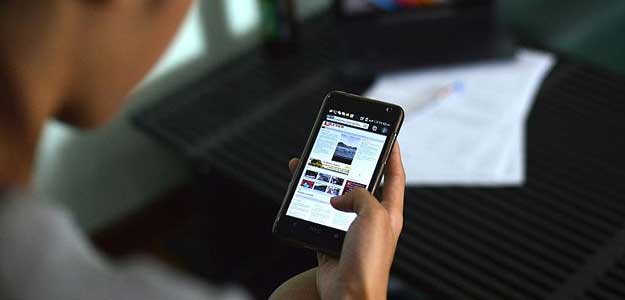
After a significant loss of learning time due the Covid-19 pandemic, as well as a bonafide mental health crisis among some of our youngest and most vulnerable citizens due, in part, to an oversaturation of screen time, Governor Kelly Ayotte and lawmakers in Concord passed a bell-to-bell ban on the use of cellphones in all New Hampshire schools, K-12, last July, tacking it onto House Bill 2.
From an educator’s side of the desk, after spending years trying to wrestle the students’ attention away from the latest TikTok craze or viral YouTube video on their phones to focus on the content being taught in the classroom, the war had finally ended.
Lawmakers had dropped the nuke on students and their phones in class. With limited exceptions and a fair amount of flexibility for districts to interpret what constitutes a “device,” the phones in the classroom were gone for good.
I’ll admit that I was initially pleased by the law, but skeptical about its enforcement, especially as I watched so many parents and students push back against it on social media—irony abounds—before the school year began.
For some folks, especially Free Staters, it seemed as if the state and the school districts were stopping students from eating lunch or breathing more than their government-allotted amounts of oxygen.
So those of us in the classroom stepped back and watched as school districts and administrations tried to navigate this new terrain.
Then, after a trial run at our school, I noticed a strange phenomenon: The students were, in large, complying. This seemed counterintuitive to everything that I thought I understood about the adolescent psyche. Usually if an adult tells a teenager to do something, they’re inclined to do the opposite.
This led me to believe that, perhaps, there was some longing in the collective unconscious of these kids that wanted to step away from the 24/7 cesspool on their phones with the social media apps and other online distractions.
This is not to say that the law proved a panacea for all the ills of public education. And this is not to say that some students haven’t found ways to circumvent the ban.
This is also not to say that every student likes or agrees with the law. However, when I asked my Composition students to reflect on the cellphone ban as part of a response to an essay we read in class on technology addiction, their responses1 were largely positive.
After the first year of the phone ban, many students had noticed an uptick in face-to-face socialization throughout the building.
“The benefit of the phone ban is apparent by peeking into the cafeteria during lunch—it has become a place that is lively and full of conversation,” one student wrote. “There are no more heads down, and instead, people are conversing, laughing and bonding with each other.”
Additionally, a number of my students found themselves engaging in healthier alternatives to the five hours of scrolling the average teenager spends per day.
“I used the time I would be spending on my phone to do something else that would also cure my boredom, that was reading books,” another student wrote. “This year, I’ve read eight books, and I usually don’t read any.”
However, the most notable change that the students noticed had to do with their mental health.
“Personally, I’ve found peace in not having my phone during the school day, giving me a break from the notifications and new posts,” wrote one student.
Another added: “I have seen a pretty positive improvement in school attention, and information retention has increased. I haven’t had much trouble with the phone ban and I have seen a bit of an improvement in my mental health.”
Again, the phone ban was not universally embraced, nor has it eradicated the use of all devices in school, many students using bathroom passes to check their phones. “It hasn’t stopped cellphone use,” a student wrote. “The teachers just can’t see it anymore. It’s still happening, and people are getting into computer games and such things that take their attention away from learning. It isn’t the cellphones, it’s the kids.”
Still, all of this begs another question for me: Is this just about the students and learning outcomes?
Maybe all of us, adults included, could use eight hour breaks each day where we divorce ourselves from our devices and are forced to navigate boredom and face-to-face social interactions and, most importantly, silence.
I’m starting to think that we all could use a phone ban.
- I have only edited their responses for grammar and clarity. The words belong solely to my students. ↩︎
You can reach Nathan Graziano at ngrazio5@yahoo.com