
O P I N I O N
THE SOAPBOX

Stand up. Speak up. It’s your turn.
Martin Luther King Jr. Day asks more of us than remembrance. It asks us, especially those of us entrusted with public leadership roles, to reflect honestly on our actions and to measure them against the values Dr. King devoted his life to advancing.
This year, that reflection is unavoidable.
Recent remarks by the Republican chair of the House Education Policy and Administration Committee, and the response that followed, have prompted a broader conversation that New Hampshire cannot afford to ignore. This is not about one leaked text or a single individual. It is about who we trust to shape education policy in our state and whether they understand the role public schools play in sustaining our democracy.
Republican leadership in New Hampshire, including the Governor, must decide whether it is appropriate for someone who has expressed support for segregating students for any reason to be the leading voice on education in the State House. That is not a rhetorical question. It goes to the heart of what public education is meant to be.
Ninety percent of students in New Hampshire attend their neighborhood public schools. Every day, teachers and school staff work deliberately to create learning environments where students come together across differences of race, color, religion, national origin, ancestry, sexual orientation, sex, gender identity, and disability, ensuring that every child feels safe, valued, and empowered to learn. That lived reality stands in stark contrast to rhetoric that suggests separation is acceptable or desirable.
We should be clear: separating our schools by race or by politics is wrong. It runs counter to our history, our values, and the very purpose of public education.
Our public schools are one of the last places where children of different races, religions, identities, and political backgrounds, who are also shaped by families with very different views, come together as Americans. They do more than teach reading and math. They teach young people about the real world: how to listen, how to disagree without dehumanizing, how to live together in a diverse society, and how to see one another as neighbors rather than threats.
American democracy itself is an ongoing experiment. Although it is imperfect and unfinished, it’s also deeply worth protecting. Each generation inherits a responsibility to decide whether that experiment will expand opportunity and belonging or retreat into fear and division. Public schools are one of the primary places where that experiment either succeeds or fails.
That is why leadership matters so deeply, especially when it comes to education. When rhetoric echoes ideas our country has already rejected, like segregation, it cannot simply be brushed aside or explained away. History shows us that democratic erosion rarely begins with sweeping declarations. It begins when harmful ideas are minimized, normalized, or excused.
This moment calls for soul-searching, not just by one committee chair, but by the House’s Republican leadership as a whole. How leaders respond sends a message not just to legislators, but to students, parents, and educators across New Hampshire about what values we are willing to defend.
There are also practical consequences to this conversation. The modern workplace and modern civic life demand collaboration with people who think differently from us. Our public schools should be preparing students for the 21st century by teaching them how to work across differences, not by modeling division. Learning to engage respectfully with others is not a weakness; it is a strength that makes us stronger as individuals and as a state.
This debate is unfolding against a broader political backdrop. After years of complete Republican control in Concord, November will be a referendum on direction and accountability. Granite Staters are tired of divisiveness, extremism, and leaders who seem more interested in stoking cultural conflict than solving everyday challenges. They want leadership that strengthens our neighborhood public schools and invests in the shared future of our communities.
On MLK Day, the question before us is not simply what we say we believe. It is whether we are willing to stand up for those beliefs when it is uncomfortable. This is especially true for those in positions of power.
New Hampshire’s public schools should continue to unite us, not divide us. And our democracy, our shared American experiment, is worth the effort it takes to protect it.
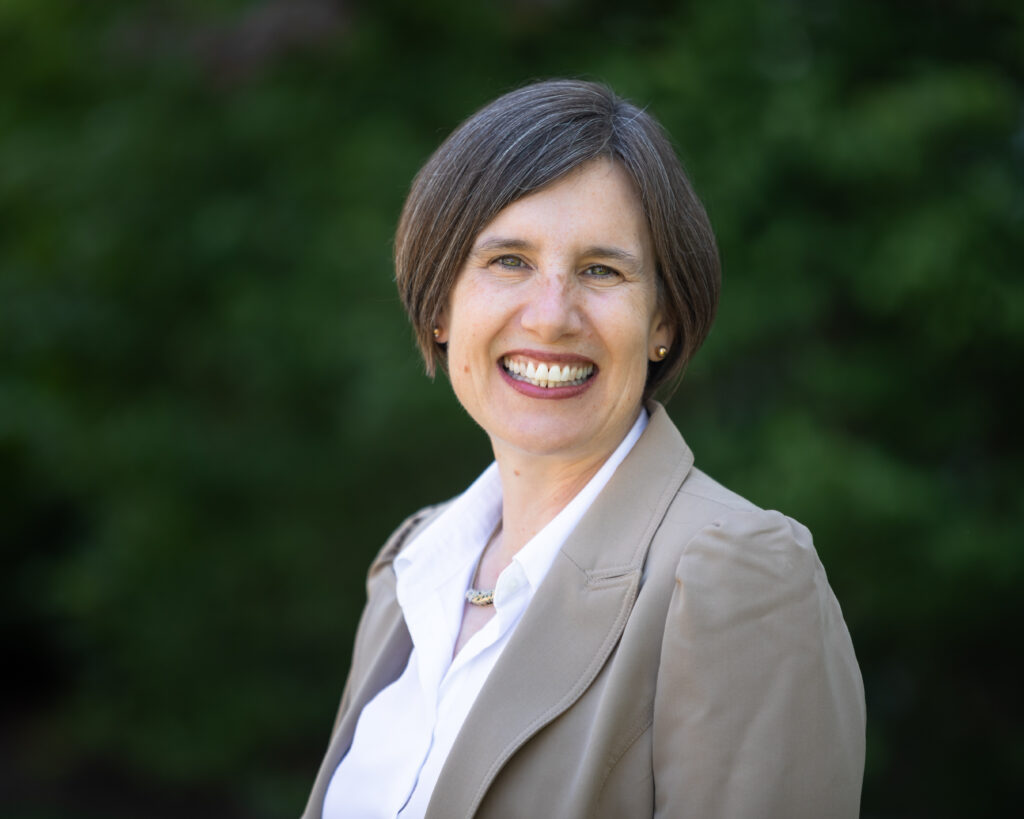
NH State Rep. Alexis Simpson is New Hampshire House Democratic Leader and represents Rockingham D-33 (Exeter, Newfields, Newmarket, and Stratham)
Beg to differ? Agree to disagree? Comment below using our DISQUS app. Got issues of your own? You can DIY your Soapbox submission here.