
O P I N I O N

When I was 24 years old, I did not understand economics. I also lacked sufficient life experience to understand why someone might want guaranteed healthcare, secure housing, or a living wage.
Sometime in 2009, my then-spouse discovered the Free State Project. Due to the Great Recession, our life in my hometown of Carrollton, Texas, was in ruins. A fresh start was exciting. It offered hope—the shapeless, multicolored kind of hope in which anything is possible. We didn’t know anyone in New Hampshire. We’d never even been to New England—but off we went.
And at that age, I wanted a better world. After a few deeply traumatic experiences in my teenage years, I recognized that something needed to change. I wanted all people to be treated with kindness and respect—especially those in marginalized communities. I passionately supported open borders, abortion, and LGBTQ+ rights. I vocally opposed corporations, endless war, and police violence. From all perspectives, I was arguably a bleeding-heart progressive—except for the economic stuff.
In 2009, libertarianism was the ethos of the FSP. Today it’s just Nazis and Trumpers, but back then it was pro-immigration, pro-LGBT, pro-abortion… You name it, libertarians wanted to legalize it (more on that later). However, Libertarianism demands faith in human reason—the idea that humans, left to their own judgment, will inevitably do the right thing. This is where it bumps up against economics, which (surprise!) is not a faith-based study.
It was in 2014 that I won my first election to the State House. I ran as a Democrat, and I was regarded (correctly) as a liar and a fraud. I took some very bad votes on issues such as Medicaid and the minimum wage. I didn’t know what I was doing, and I didn’t understand most of the issues before me. At the time, I was still a faith-based believer in economically-illiterate libertarianism.
I did, however, touch grass. It took some time, but I realized that people experiencing a health crisis should not face bankruptcy. People working 40 hours a week should be able to pay all their bills. Everyone needs a safe, humane place to die—even if they can’t afford it. And landlords suck.
Little by little, I began to realize that libertarianism is silly. And after reading howevermany books on sociology and psychology, I now know better. Humans are stupid. We are so, so dumb. I am so, so dumb. But I try every day to be smarter. I try every day to do better. Growth comes from painful self-reflection.
These realizations (about myself and about public policy) were perfectly timed with a series of very unpleasant events tied to Free Staters—sexual assaults, a heartbreaking murder-suicide, and horrid arguments against “age of consent” laws.
I wanted out. Fearing backlash, I slowly, passively removed myself from FSP circles. I stopped attending events and unfriended thousands on Facebook. In early 2016, when Ian Freeman publicly claimed that children can consent to sex, I opted for a formal cleaving.
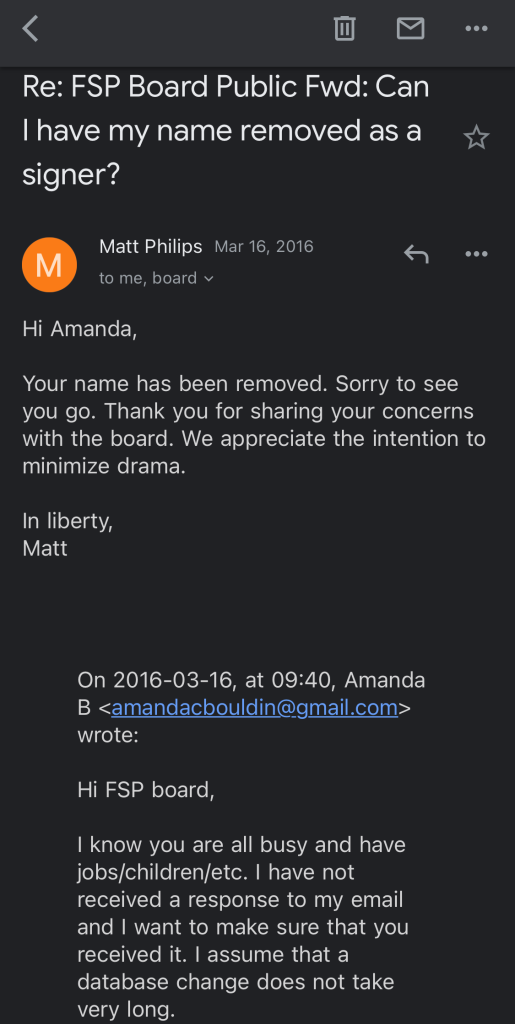
So in March of 2016, I emailed the Board of the FSP and asked to have my name removed from their roster. I did not publicize this exit, and I knew that the Board would not want to publicize it either. I was satisfied to know that I had done the right thing. I did not feel that I owed a status update to anyone else.
And after leaving the FSP, I was re-elected to four consecutive terms. In that decade, I sponsored legislation about harm reduction, racial justice issues, prison reform, police brutality—every passion I carried in my heart when I first moved to NH.
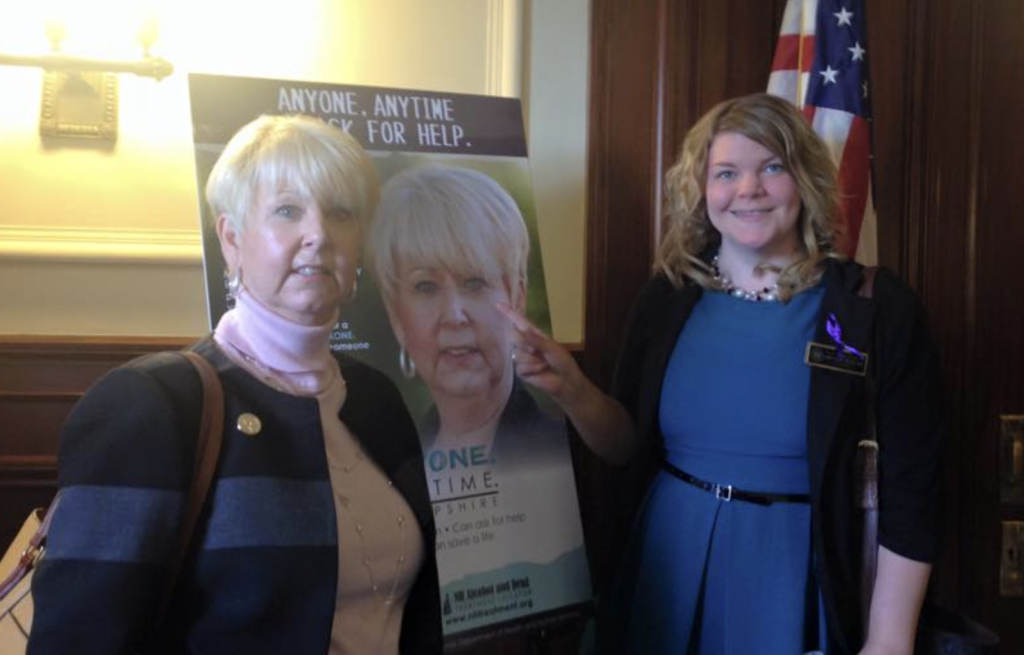
I was hired by the state party and secured massive election successes for Democrats in Manchester. I was invited to co-chair a committee on the NHDP’s Blue Hampshire Taskforce. House Leadership recruited me to help out as an assistant floor leader, and I also joined the House Progressive Caucus. And when I called it quits after a decade in politics, the minority leader gave me a nifty little plaque.
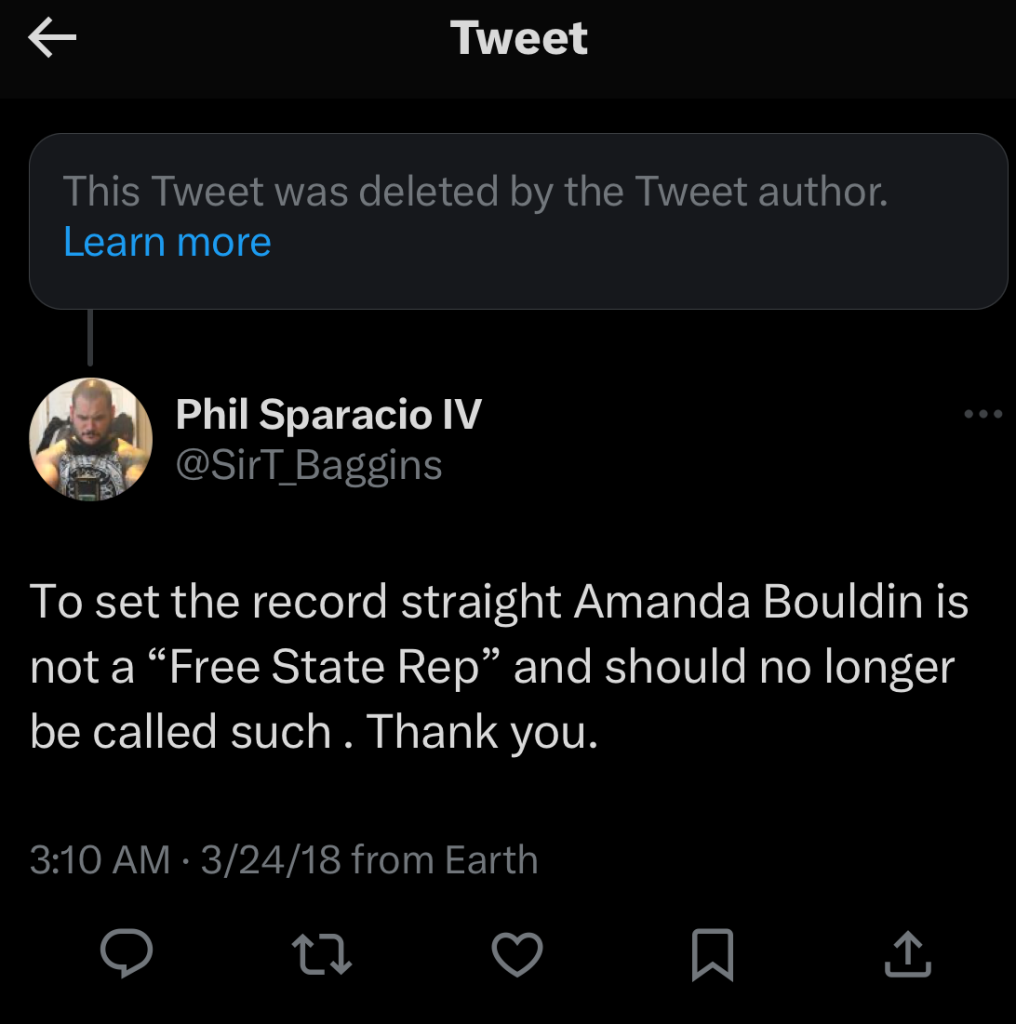
But the FSP is a stain that never washes out. To this very day, I’m still regarded as a fraud by some people.
Being ostracized used to hurt, but at this point, I’m too old to care. I think that’s something that comes with age—after enough people say enough absolutely batshit things, you just have to let it go. I don’t control my reputation. It exists entirely in the minds of other people. If anything, all this rejection has helped me appreciate the spaces in which I am welcomed as my authentic self. I am so deeply grateful for those spaces, and so grateful to the people who kept an open mind.
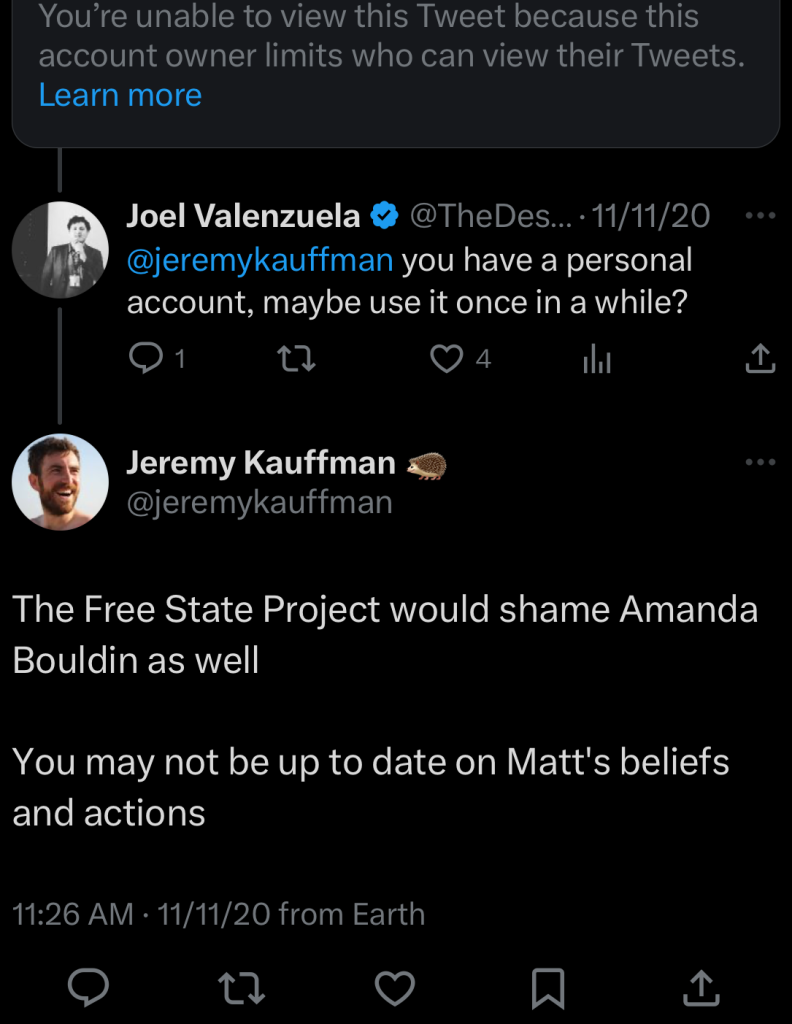
So… why did I leave the Free State cult? Because it’s not what I thought it was, and because I’m not who I thought I was. In my 20s, I didn’t understand enough about public policy to be joining a political movement of any kind. Also, the FSP is overflowing with child molesters. (In retrospect, it makes sense—libertarianism proposes a world without any laws.)
I’ve now lived in NH for 16 years. I wasted the first six being a Free Stater, but I’ve enjoyed the past decade being myself.
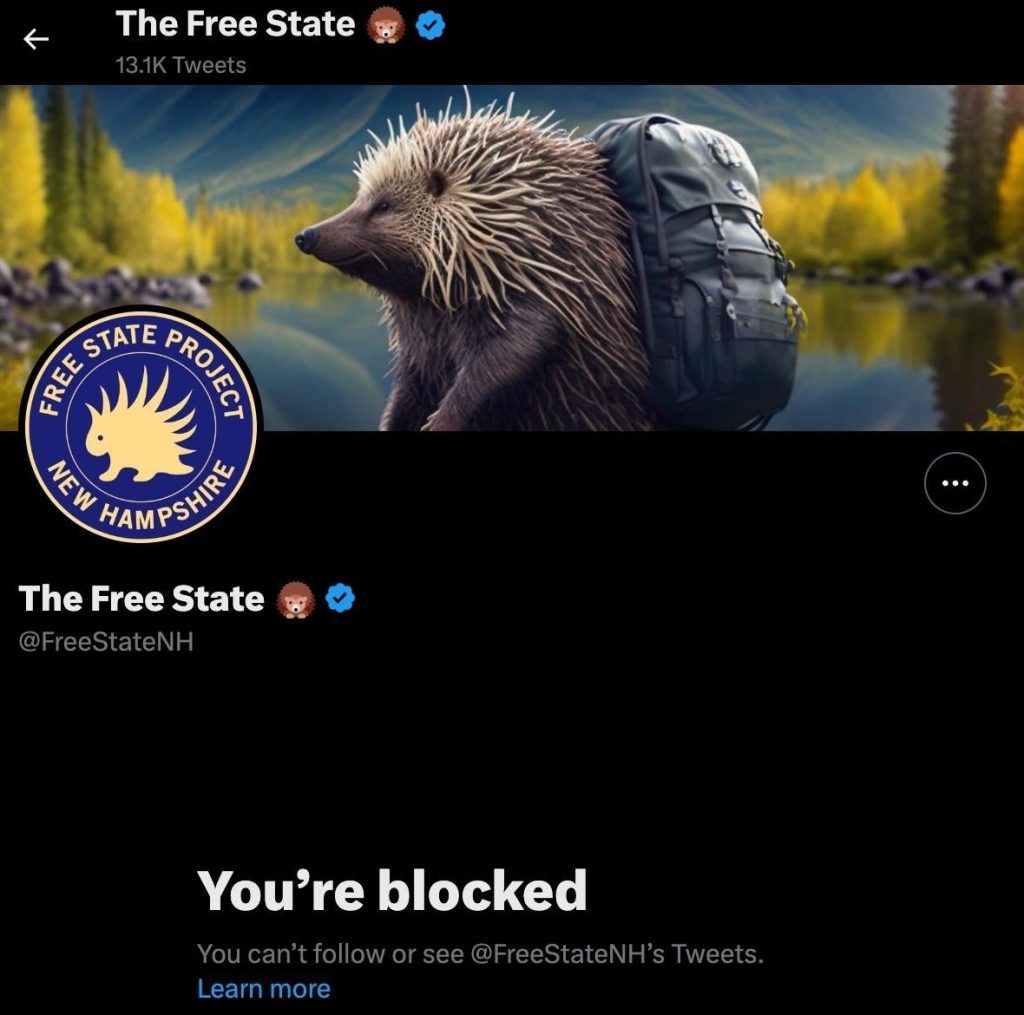
Over the years, many people have encouraged me to write something official about leaving the FSP. Knowing that I’m just one tiny spec crawling around on a giant rock hurtling through space, I don’t understand why it should matter. And having been on the inside, I can confidently attest that the FSP is a comically impotent echo chamber of nonsense. While I would not recommend letting a Free Stater babysit for you, they’re nothing to be afraid of politically. The national GOP is far more influential in NH politics and poses a much greater threat to our freedoms.
The FSP is not the first time that I’ve foolishly given myself to something or someone that turned out to be sick, abusive, and undeserving. It’s definitely not the last—but that’s my own stuff to work on.
Anyway… I used to be part of a cult, and today I’m not. Can we move on?
Amanda Bouldin lives in Manchester.