
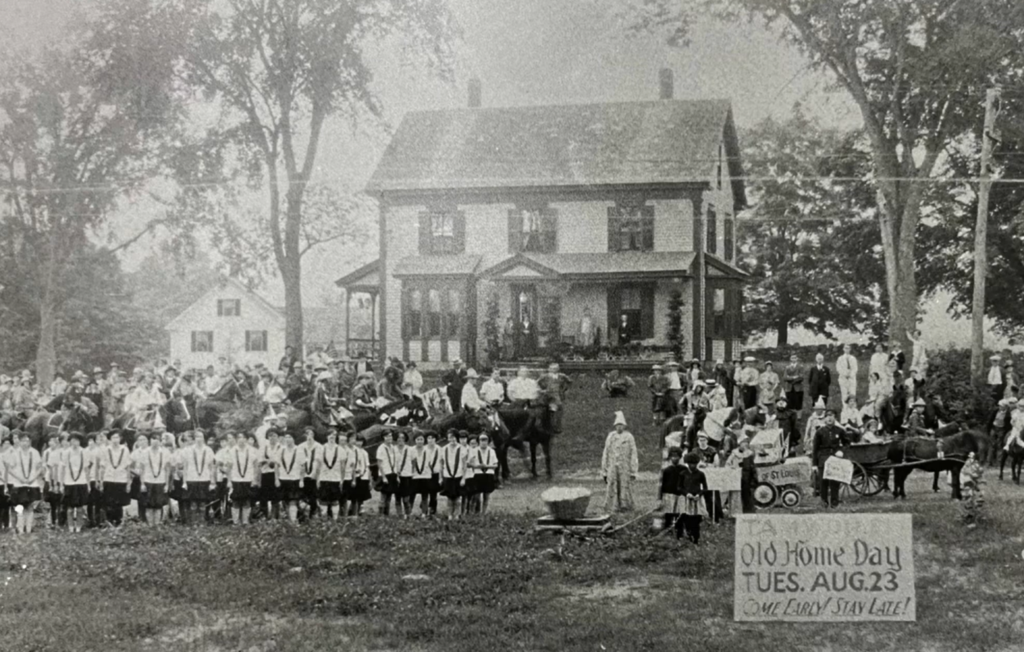
CONCORD, NH – Historic New Hampshire properties on the brink of being lost forever aren’t the only items on this year’s New Hampshire Preservation Seven to Save list – the state’s Old Home Days tradition is also included.
The annual list was announced by NH Preservation Wednesday during an event at Bradford Town Hall, a 2014 Seven to Save that’s since been restored.
The list, announced yearly since 2006, highlights “irreplaceable landmarks” that are threatened by neglect, insufficient funds, or unsympathetic development. Owners and advocates of listees use the support to develop new solutions and secure new investments, NH Preservation said. The property or resource must be of historical significance, be under imminent threat, and be in a position for the listing to have impact.
“We look for resources that tell stories about New Hampshire’s history, that are significant even if not obvious at first glance,” Andrew Cushing, NH Preservation community preservation services manager, said. “We also look for opportunities…to share those stories, excite donors and volunteers, and ultimately save the resource.”
Historic preservation helps boost the economy of both the town or city the resource is in, as well as the state in general, supporting jobs, attracting residents, visitors and businesses, and catalyzing community and economic activity, NH Preservation said.
Of the more than 100 properties and places that have made the list, more than half have been saved.
This year’s Seven to Save [for more information, including a video for each listing, visit nhpreservation.org]:
Old Home Days
Old Home Days, originally Old Home Week, celebrations were proposed by Gov. Frank Rollins in 1899 as a way to entice residents back to towns that were losing population and in decline. The celebrations were aimed at enticing former residents to visit and, hopefully, invest in their hometown. The state provided a small stipend until 1949 for communities to host the event. More than 100 communities took the state up on its offer and, combined with an advertising campaign by the state Board of Agriculture, former residents began investing in their hometowns, or injecting money into the local economy by attending the celebration. Now, mostly because of lack of volunteer help, fewer than 40 communities celebrate an Old Home Day, according to NH Preservation.
“More people and resources are needed to help keep this New Hampshire tradition alive and realize a new version of its social and economic goals,” the organization said.
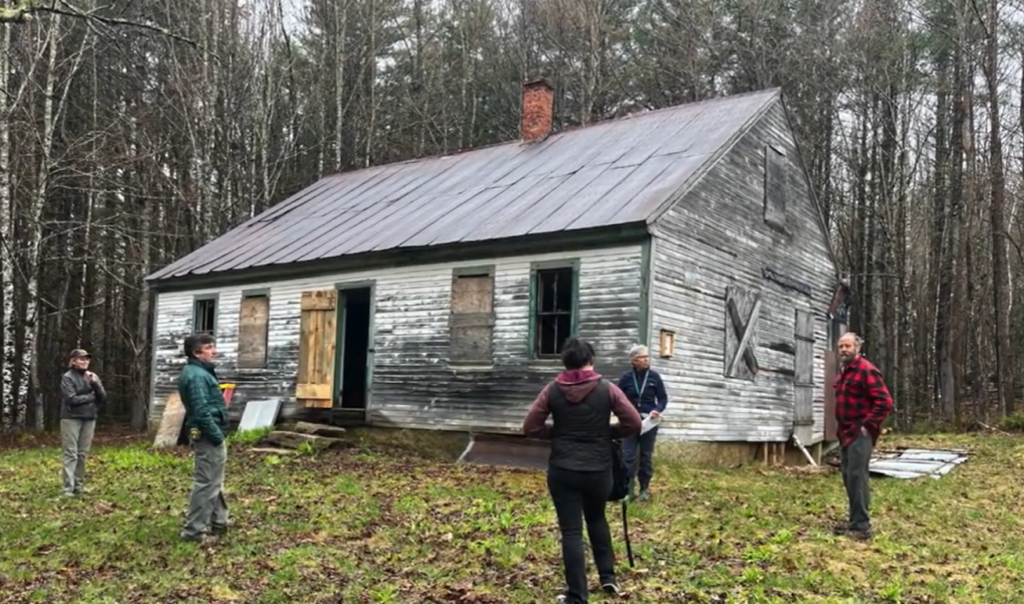
Ham House, Jackson
The 1830 cape, which never had running water or electricity, has been vacant since 1960. Despite the lack of oversight, many of its original interior architectural features remain. In 2022, the house and 1.6 acres were set off from the 1,250 acres of conservation land it is on after a campaign by residents and other preservation advocates, who consider it a time capsule of the town’s history. Volunteers have already worked to shore up the house’s foundation and other preservation work. While the house can’t be hooked up to the electrical grid, there are a variety of possible future uses, including educational and recreational. The preservation effort highlights the possibilities of collaboration between the state’s conservation and preservation groups, as well as impact of volunteers, NH Preservation said.
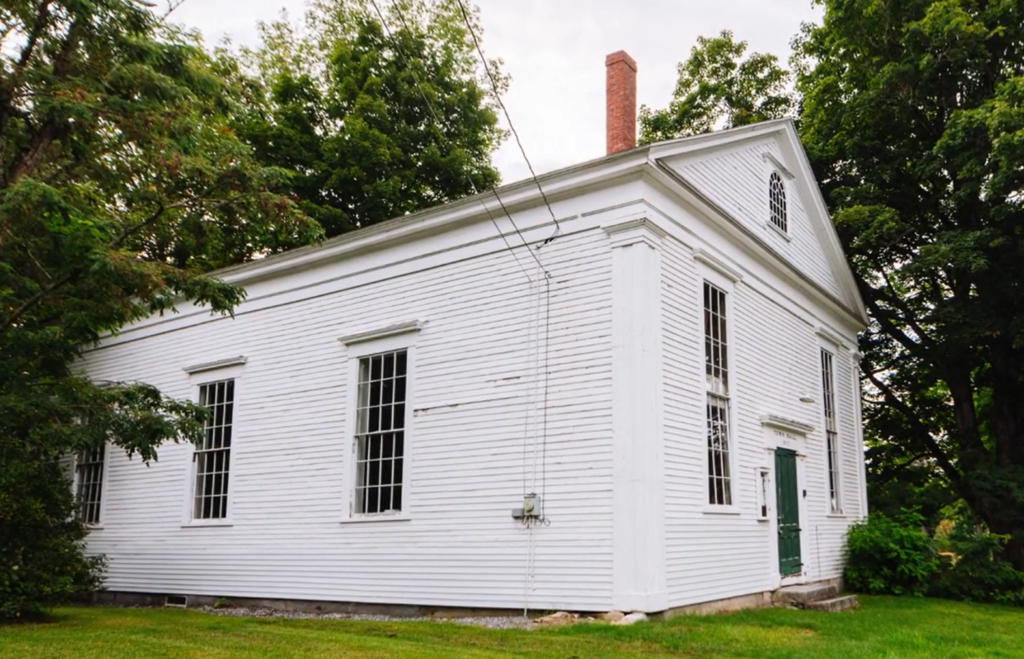
New Ipswich Town Hall
The 1817 former town hall has been closed since 2017 because of structural and code issues. It was originally built for town use as well as to house New Ipswich Academy. It included elements from the town’s original 1770 town house. Originally two stories, it underwent an extension renovation in 1869. It hosted meetings, celebrations, and even basketball games during the two centuries it was in use. It was listed on the National Register of Historic Places in 1984. Advocates for the building hope the designation will lead to an updated building plan, fundraising momentum, and heightened awareness, NH Preservation said.
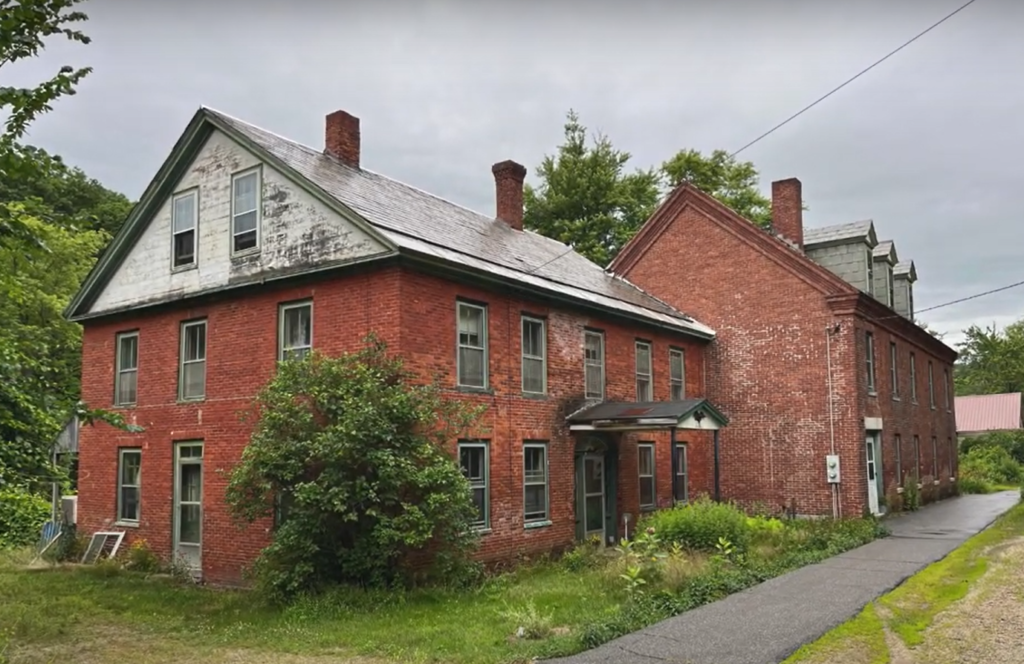
Ashuelot Manufacturing Co. Boarding House, Winchester
The boarding house for the Ashuelot Manufacturing Co. mill comprises two buildings, one built in 1825, the other in 1868. It housed as many as 50 immigrants at a time who’d come to Winchester from Quebec, Poland, Ireland, and other countries to work in the adjacent woolen mill. The boarding house was bought in 2020 by a town resident who was concerned about its future. The plan is to rehabilitate the building for use as a creative arts center that includes letterpress printing classes.
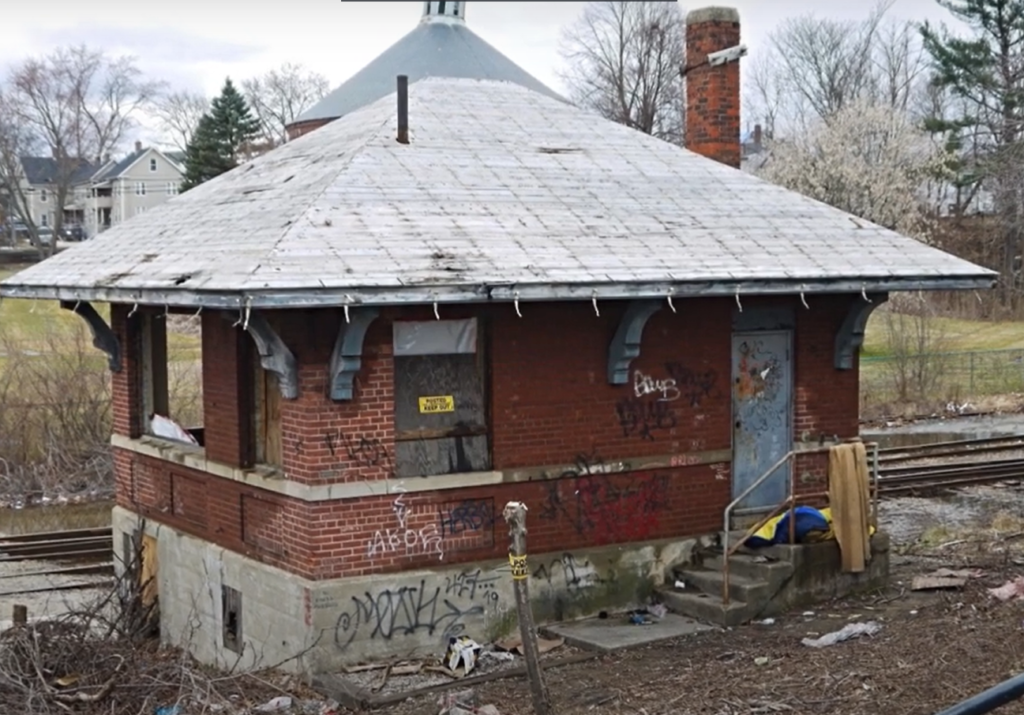
Concord Railroad Signal Tower
The railroad signal and switch tower is the last remaining one in the state after owner CSX Transportation demolished a similar one in Manchester earlier this year. CSX filed a demolition order for the Concord tower in September 2023, and the slate roof was removed before railroad historians and local preservationists convinced the Concord Heritage Commission to issue a demolition delay. That has expired. Built in 1944, the building was the hub of control for the passenger and rail service that converged on the state’s capital, including the Boston to Montreal express. The building went out of use in 1959, when passenger service ended and Concord’s Union State was razed. In 1985, the signal tower was restored for use as offices New England Southern Railroad. Possibilities for reuse include office, exhibit and meeting space that will complement redevelopment underway in Concord’s south end, including the anticipated investment in the nearby historic Gasholder, NH Preservation said.
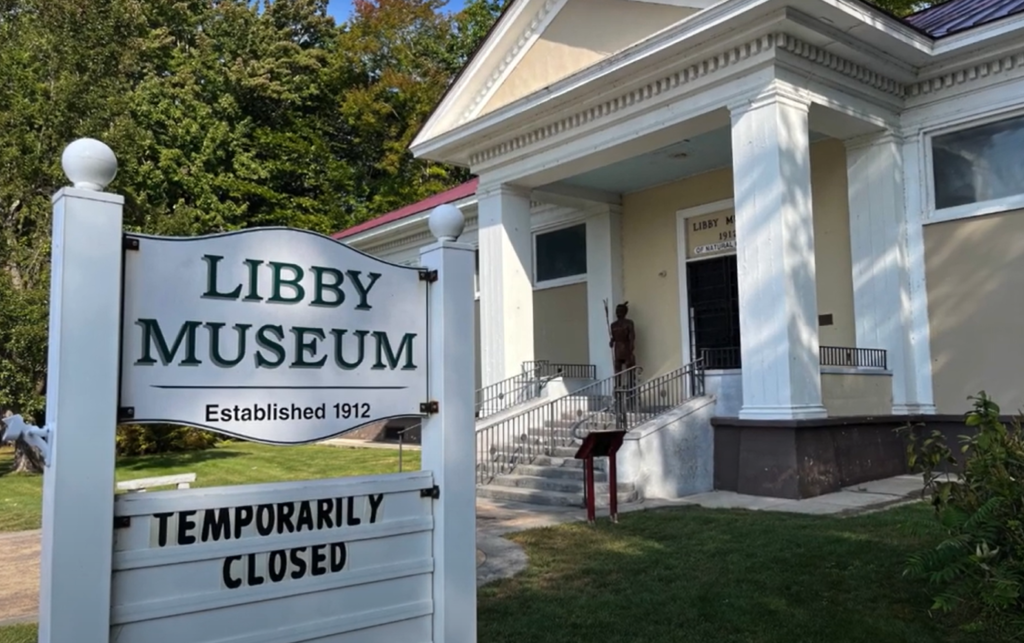
Libby Museum, Wolfeboro
Libby Museum, founded by Henry Libby, a dentist with a fascination for natural history, opened next to his waterfront home in 1912 and donated to the town in the 1950s. It has housed a collection of taxidermy, skeletons, and Native American artifacts, open to the public seasonally. In need of extensive renovations, including to its air circulation system and windows, and in need of storage the Friends of Libby Museum launched a capital campaign in 2022. A warrant article that year for the town to provide a share of the renovation costs missed its required 60% approval by two percentage points. The Friends group returned pledged donations and this summer the museum, which is listed on the National Register of Historic Places, was closed because of mold issues.
“Advocates worry that, with no solution, this landmark building and its significant collection are at risk,” NH Preservation said.
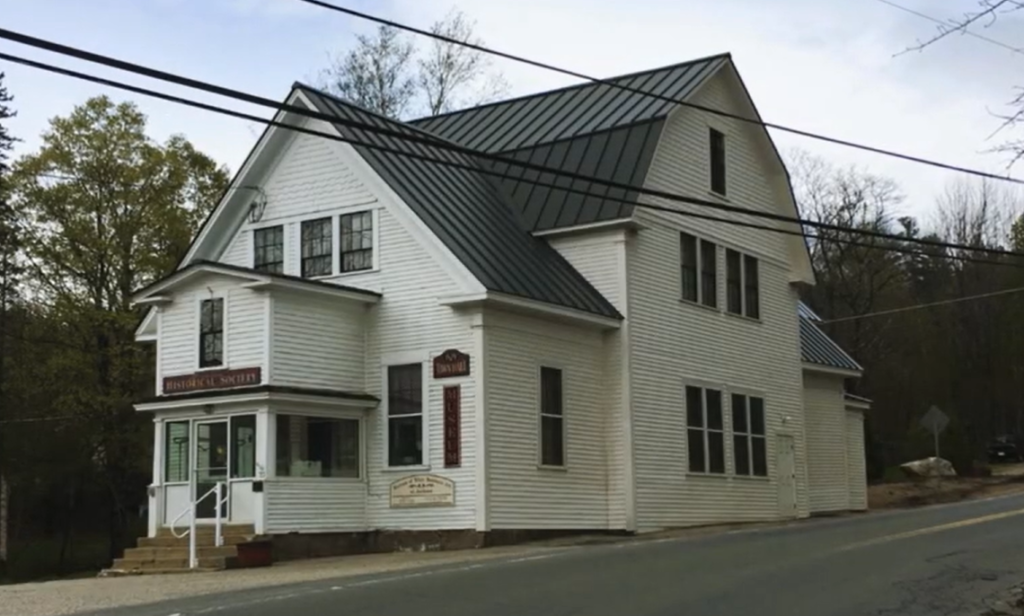
Jackson Town Hall
The 1879 town hall, which houses the Museum of White Mountain Art at Jackson, is on a narrow bank between the Wildcat River and Route 16B, making it vulnerable to erosion that has affected the foundation, as well as damage to foundation, sills and clapboards from road runoff.
The building includes the art museum, as well as exhibits about the town history. Plans are to relocate it on the same lot so it stays in its National Register-listed district. The project also includes window restoration, exterior painting, and addition of modern restrooms.