MANCHESTER, N.H. – Manchester Board of Mayor and Aldermen (BMA) during Tuesday’s meeting addressed a proposed ordinance change relating to syringe service programs, also known as SSPs.
In 2021, the BMA banned SSPs from operating in public parks and following the August BMA meeting, a consensus was reached on the board that more steps were needed to regulate SSPs given concerns from constituents about needles found on the ground throughout the city and a lack of communication between the SSPs and the city.
State law prohibited municipalities from banning SSPs in 2017. Since then information coming from providers about SSPs has become so difficult to come by that Manchester Health Department Director Anna Thomas told Aldermen that she had to file a right-to-know request with the New Hampshire Department of Health and Human Services (DHHS) to get any information about SSPs operating in Manchester.
While the SSPs help reduce outbreaks of certain communicable diseases that can be transmitted through dirty syringes such as AIDS and hepatitis, aldermen across the city had received numerous complaints regarding syringe-related litter posing a safety risk to residents. Also, the health benefits were unclear without the data provided by DHHS or the SSPs themselves.
The original ordinance proposal last week to address this problem proposed that SSPs would have to register with the city, not operate within 1,000 feet of churches, schools, playgrounds or daycare centers, the SSPs must alert the city to the time, date and location of their operations, not provide “safe injection sites,” and fines of up to $1,000 among other stipulations. By the time the measure came before the BMA Committee on Public Safety, Health and Traffic, some changes were made, most notably reducing the buffer from 1,000 feet to 750 feet and changing the one-to-one needle exchange ratio into just an exchange without any set ratio.
This ratio change proved to be the biggest stumbling block as the ordinance proposal received recommendation in committee and moved onto the full board later in the night. Thomas told the board that one-to-one ratios can discourage drug users from participating in exchanges, as the premise behind the concept is to build trust and eventually help the addicts enter a path away from using drugs. She noted that nationwide, municipalities with SSPs have three times as many drug users entering substance abuse treatment and five times as many drug users quit altogether versus those who do not have SSPs.
During public comment, local homeless advocate Dam Wright told the board that to his knowledge since the beginning of SSP programs in Manchester, 1.7 million dirty syringes had been exchanged for 1.9 million clean ones, almost a one-to-one ratio.
However, Ward 7 Alderman Ross Terrio instead noted that figure as representing approximately two dirty needles, potentially carrying infectious diseases, for every Manchester resident.
BMA Chair Joseph Levasseur felt that the one-to-one ratio was important to instill a sense of responsibility in syringe users, potentially saving or picking up old ones on their own before heading to exchanges. Ward 6 Alderman Crissy Kantor felt that it was inappropriate altogether to provide syringes to people, fearing that this made the city liable for the encouragement of illegal activities and prevented drug users from seeking treatment.
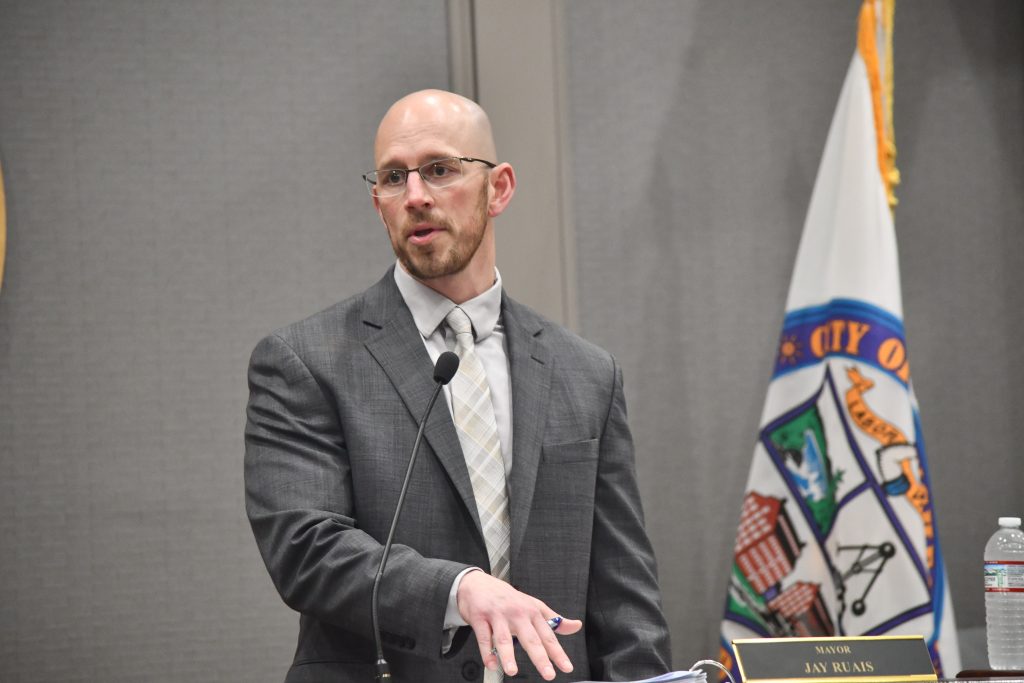
On the point of the ratio, Manchester Mayor Jay Ruais repeatedly stated that if needed, it could be tweaked later depending on data obtained through the programs once they were forced to provide that information to the city at registration with the health department. He also noted all the new regulations in the proposal that would hold SSPs accountable, and that without the proposal no progress would be made at all.
In addition, Ruais said that this proposal is the first of its kind for a municipality in New Hampshire, thus stepping into the unknown would undoubtedly not be the last step Manchester takes on this issue if the situation changes. Thomas said that individuals receiving the syringes would receive information on how to quit and receive wraparound care for other medical issues.
Regarding the issue of litter, Wright told the board that he regularly picks up the syringes and additional disposal bins would drastically help that issue. A pilot program in Dover placing more disposal boxes was also mentioned during the meeting, with that program seeing a drastic decrease in syringe litter.
An additional amendment to the proposal was made during the meeting, requiring any SSP registered with DHHS that seeks to operate an exchange in Manchester to register 30 days prior to the day of an exchange and also provide quarterly updates on their activities.
Ward 11 Alderman Norm Vincent made a motion to suspend the rules and ordain the ordinance change immediately into municipal code, bypassing the BMA Committee on Bills on Second Reading and potentially other committees before it would return to the board for finalization. A motion to suspend the rules requires 10 votes under BMA rules and this motion was passed by a margin of 12-2.
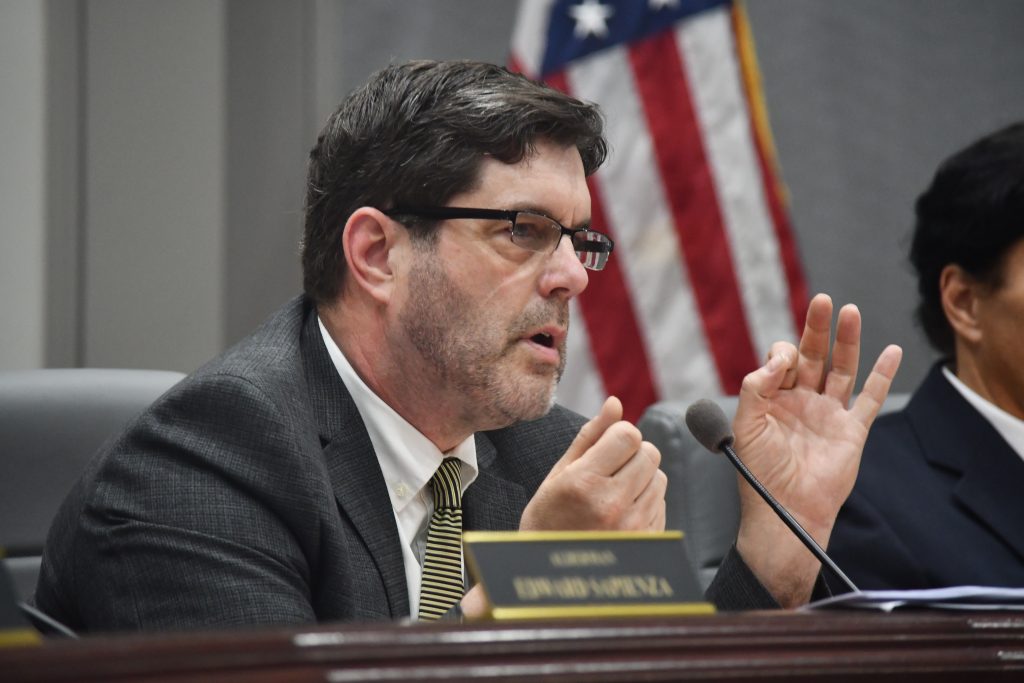
Terrio was in opposition due to the ratio, uncertain how to obtain the proper balance between the responsibility of the one-to-one ratio and the increased outreach from the lack of a ratio. Ward 5 Alderman Anthony Sapienza was the other vote in opposition, feeling that the measure would not make any impact on syringe litter, bringing nothing but data to the city.
Ruais later thanked the Aldermen for their vote and also praised the work of Thomas and the Health Department as well as the City Solicitor’s office and other community partners in crafting this proposal. He also noted the work that has been done to decrease opioid overdoes and deaths in recent months.
“I firmly believe we cannot allow for the unregulated flow of syringes into our city because this has had a negative impact on the quality-of-life in Manchester. Our parks and our streets must be safe, clean and accessible for all residents, businesses and visitors,” said Ruais in a statement on Wednesday morning. “This ordinance is long overdue, and while it will not solve the problem overnight, it represents an important first step toward increasing our quality of life while maintaining our commitment to public health. We are making every effort to address the concerns of our residents to rid our city of discarded syringes. In addition to this ordinance, our Parks and Health Departments have partnered to do regular pickups throughout the city, and our downtown street cleaning crew is also engaged in daily monitoring and collection. We are not where we want to be, but we are making progress.”
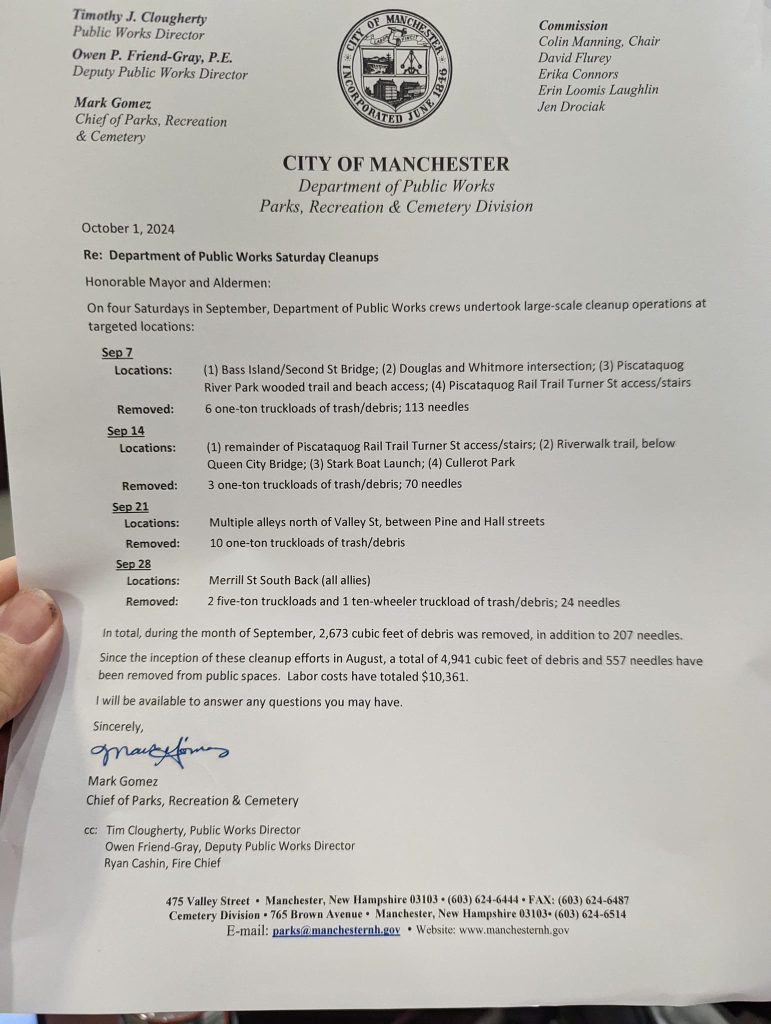
Ruais also praised the Department of Public Works for their efforts in addressing the syringe litter problem (see letter below)