Filters

The Soapbox: When it comes to PFAS, please put humanity above business influence

read more…: The Soapbox: When it comes to PFAS, please put humanity above business influence

I’ve come to share my concern about PFAS pollution at the Manchester Wastewater Treatment Plant. The cause is both personal and on behalf of the greater good. You see, I feel an obligation as perhaps any of you have who has been diagnosed with cancer as I was in 2022.  Advanced thyroid cancer. Just one of the many documented health effects related to PFAS exposure.

Education takes center stage in first year of New Hampshire’s data privacy law

read more…: Education takes center stage in first year of New Hampshire’s data privacy law

The law, which took effect on Jan. 1, gives consumers more control over how their personal data is used and puts certain responsibilities on businesses. For instance, consumers have the right to learn whether a business is storing their data, and if so, to request access to it, to obtain a copy of it, to correct inaccuracies, and to request that the data be deleted.

The Soapbox | Accountability is not censorship: Why the Board is right to rein in Levasseur

read more…: The Soapbox | Accountability is not censorship: Why the Board is right to rein in Levasseur

Rich Girard’s recent defense of Alderman Joe Kelly Levasseur presents a false choice: either elected officials are free to hurl insults at city staff without consequence, or the city risks trampling the First Amendment. This framing oversimplifies the issue and ignores a basic truth: accountability and civility in public service are not unconstitutional, they are essential to good government.

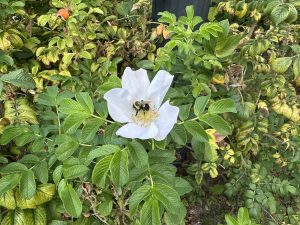
Can farmers, conservationists, and lawmakers work together to address Northeast insect decline?

read more…: Can farmers, conservationists, and lawmakers work together to address Northeast insect decline?

In recent years, though, the butterfly — which typically emerges from hibernation before the last patches of snow have receded — has become less common. Populations of mourning cloaks, or Nymphalis antiopa, have declined about 70% across the Northeast in the last 26 years, said Emily May, an entomologist with insect conservation nonprofit Xerces Society.

Support Ink Link